Concrete4U | Concrete Admixtures, Tools, and Production Machines

Polycarboxylate Based Concrete Water Reducer: The High-Performance Admixture Decision Guide
A Tale of Two Slumps: The Admixture Revolution
I recall a project years ago, a high-rise with a complex shear wall design. The specification called for a 9-inch slump, but the crew needed it to stand up in the forms. Our old naphthalene-based admixture couldn’t deliver. We faced a classic trade-off: fluidity versus stability. Then, we trialed a polycarboxylate based concrete water reducer. The result was transformative. The concrete flowed like honey but held its shape. That experience cemented the pivotal choice modern engineers face: stick with older technology or upgrade to PCE performance. This guide will dissect that decision for you.
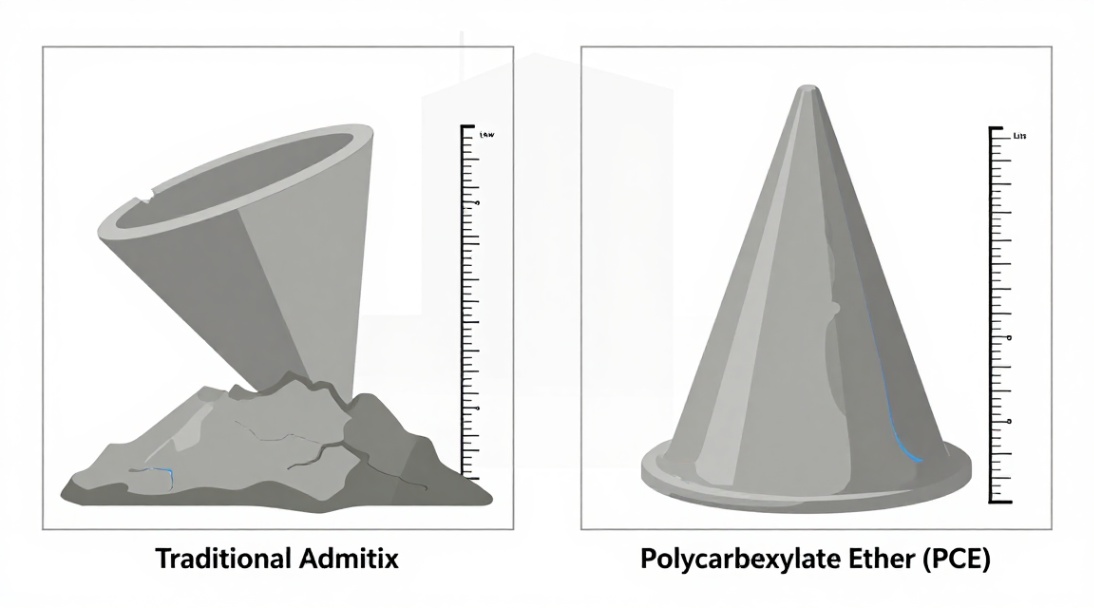
The Core Mechanism: Why PCEs Are Different
Traditional water reducers like lignosulfonates or naphthalene condensates work primarily by electrostatic repulsion. Their performance has limits. Polycarboxylate ether (PCE) admixtures operate on a principle of steric hindrance. Long, comb-like polymer chains graft onto cement particles, physically preventing them from flocculating. This mechanism is far more powerful and controllable.
Key Differentiating Factors
- Dispersion Power: PCEs achieve 25-40% water reduction, far surpassing the 12-18% typical of older admixtures. This directly enables higher strengths and lower permeability.
- Slump Retention: Engineers can tailor the polymer structure. Some PCEs offer excellent retention for long haul times, while others provide rapid slump loss for precast applications.
- Versatility: Modern PCEs are engineered for compatibility with a vast range of cements, supplementary materials like slag or fly ash, and other admixtures.
Objective Comparison: PCE vs. Traditional Water Reducers
Choosing an admixture is a technical and economic calculation. Let’s compare the options.
Performance & Results
| Criteria | Polycarboxylate Based (PCE) | Naphthalene/Sulfonate Based |
|---|---|---|
| Water Reduction | High to very high (>25%) | Moderate (12-18%) |
| Slump Life Control | Excellent, highly tunable | Limited, often requires retarding aids |
| Strength Development | Significantly enhanced due to lower w/c ratio | Improved, but limited by dosage ceilings |
| Concrete Rheology | Smoother, more cohesive mix | Can increase stickiness or bleeding at higher dosages |
Practical & Economic Factors
| Criteria | Polycarboxylate Based (PCE) | Naphthalene/Sulfonate Based |
|---|---|---|
| Dosage Sensitivity | Higher; precise batching is critical for consistent results. | Lower; more forgiving of minor volumetric errors. |
| Cement Compatibility | Requires evaluation; some cements may cause rapid slump loss. | Generally broad compatibility with fewer surprises. |
| Cost per Liter | Higher initial cost. | Lower initial cost. |
| Cost per Cubic Yard | Often lower due to high efficiency and cement savings potential. | Often higher as performance requires more cement. |
Decision Checklist: When to Specify a Polycarboxylate Based Water Reducer
Use this list to guide your specification process. Choose PCE when your project requires one or more of the following:
- High-Performance Concrete (HPC): Target strengths exceeding 70 MPa or extremely low permeability ratings.
- Self-Consolidating Concrete (SCC): Achieving the necessary flowability, passing ability, and stability without segregation is a core function of modern PCEs.
- Sustainable Mix Designs: Maximizing the use of supplementary cementitious materials (SCMs) like fly ash or slag to reduce the carbon footprint. PCEs effectively disperse these finer particles.
- Complex Placement Conditions: Long pump lines, congested reinforcement, or architectural finishes requiring exceptional fluidity and surface quality.
- Precast with Fast Turnaround: Specific PCE types can be formulated to provide high early strength without compromising initial workability.
Navigating Common Challenges with PCE Technology
Adopting polycarboxylate based concrete water reducer technology demands awareness. These are not drop-in replacements.
1. Compatibility Testing is Non-Negotiable
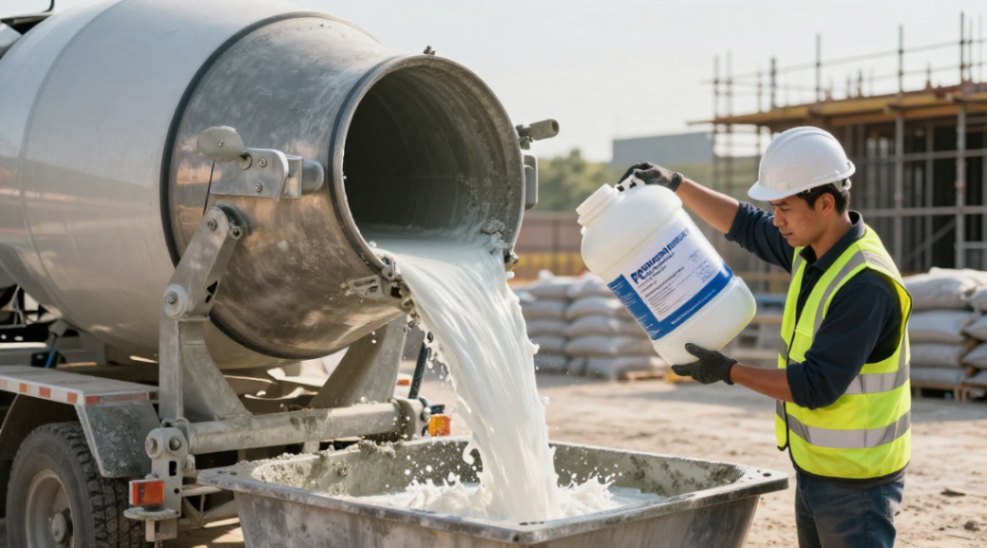
Never assume a PCE will work with your local cement and SCMs. You must conduct job-specific trials. The key parameters to monitor are slump retention over 60-90 minutes, setting time, and early strength gain. Adjust the PCE dosage or request a different polymer structure from your supplier based on these results.
2. Managing Viscosity in Rich Mixes
High-dose PCE mixtures, especially those with low water content and high SCM levels, can become sticky or viscous. Solution pathways include:
- Introducing a small amount of a compatible viscosity-modifying admixture (VMA).
- Optimizing the sand-to-aggregate ratio and particle shape.
- Working with your admixture supplier to select a PCE type designed for lower viscosity.
3. Precise Batching Protocol
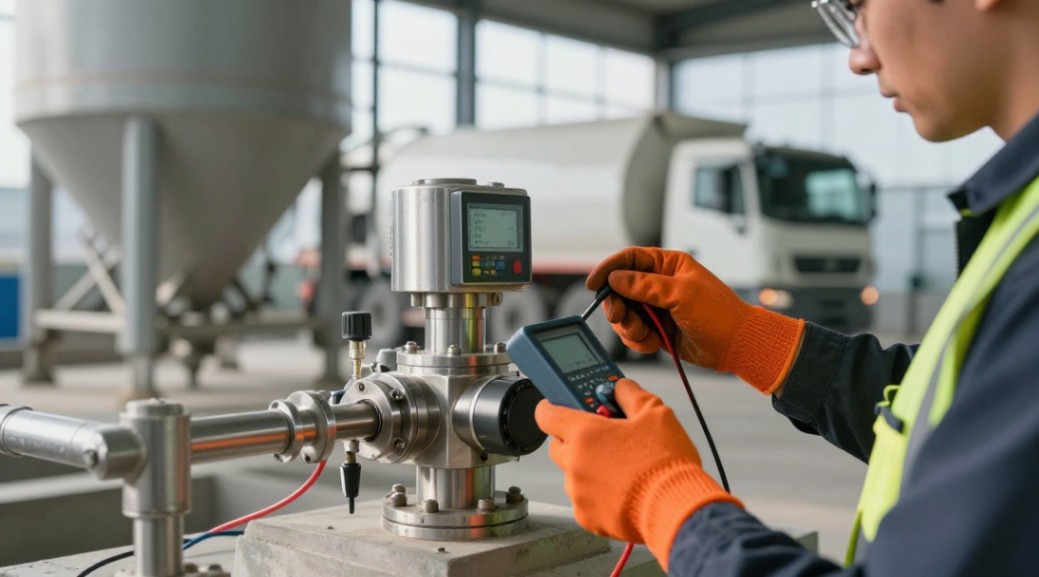
The high efficiency of PCEs makes accuracy vital. A dosage error of 0.1% by weight of cement can have a dramatic effect. Ensure your batching plant’s liquid admixture dispensing system is calibrated monthly. Always add the PCE to the mixing water or with it, not onto dry cement.
The Verdict: Making the Informed Choice
The decision matrix is clear. For standard-grade concrete with uncomplicated placements, traditional water reducers remain cost-effective and robust. However, for projects demanding superior performance, durability, or material efficiency, the polycarboxylate based concrete water reducer is the unequivocal technical choice. Its ability to lower the water-cement ratio fundamentally improves the concrete’s microstructure. This translates to tangible benefits: longer service life, reduced maintenance, and progress toward sustainable construction goals. Your next step is not to buy a product, but to initiate a test programme. Gather your specific materials-cement, SCMs, aggregates-and partner with a technical admixture supplier for a series of mix trials. Let the performance data, not habit, guide your final specification.
Supplier
We are the global leader in lightweight concrete and advanced engineered foam solutions. Known globally for its commitment to research, innovation, and applied expertise, we have been providing engineered foam solutions since the early 2012’s.
We can supply high-quality concrete admixture and foam concrete related products all over the world.
The company has a professional technical department and quality supervision department, a well-equipped laboratory, and equipped with advanced testing equipment and after-sales customer service center.
If you are interested, please feel free and contact us.