Concrete4U | Concrete Admixtures, Tools, and Production Machines

Polymer Powder for Thin-Set Tile Adhesive: Your Guide to Fewer Cracks, Stronger Bonds
We’ve All Been There: Cracked Grout, Hollow Tiles, and Endless Worry.
It starts as a hairline crack in the grout. Maybe a tile sounds a bit hollow when you tap it. You followed the instructions. So why did your tile job fail? After decades on the job, we can tell you: it often comes down to the thin-set. Specifically, the polymer powder for thin-set tile adhesive. Using the right modified thin-set isn’t a luxury; it’s what separates a lasting installation from a callback.
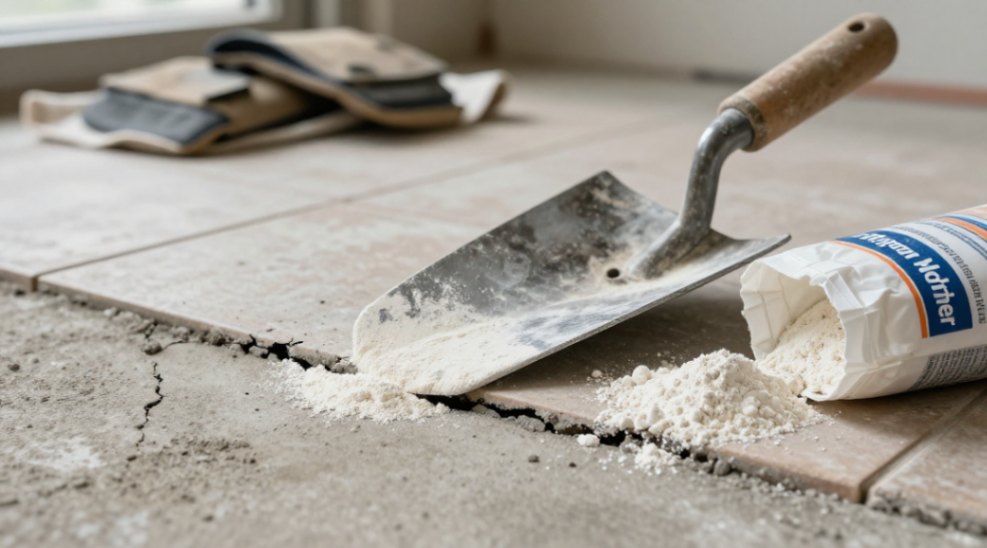
What is polymer powder for thin-set tile adhesive, anyway?
Think of it as the performance enhancer in your dry mortar mix. It’s a dry, free-flowing powder of redispersible polymer powder particles (like VAE or acrylic) that you blend with cement and sand. When you add water, these particles re-form a flexible, sticky polymer film throughout the hardened cement. This is the magic that turns a brittle, ordinary mortar into a tenacious, flexible adhesive.
How does this polymer powder actually make my tile stick better?
It works on two fronts. First, it dramatically boosts the adhesive bond to the tile back and the substrate. Second, it creates internal flexibility in the mortar bed itself. This combination tackles the main enemies of tile: movement and stress. A leading industry report on construction materials confirms that polymer-modified systems consistently outperform un-modified cement by over 300% in key adhesion tests.
What are the real, hands-on benefits I’ll notice?
You’ll see and feel the difference immediately.
- Superior Adhesion: Tiles stay put on tricky surfaces like plywood, painted concrete, or existing tiles.
- Critical Flexibility: It absorbs minor substrate movement, which is the #1 cause of cracked tiles and grout.
- Trusted Water Resistance: The polymer film helps block water migration, making it ideal for showers and wet areas.
- Better Workability: The mix is creamier, sticks to the trowel better, and has a longer open time. You’re not fighting the clock.
Step-by-Step: How do I properly mix and apply polymer-modified thin-set?
This is where many DIYers and even some pros go wrong. Follow these steps.
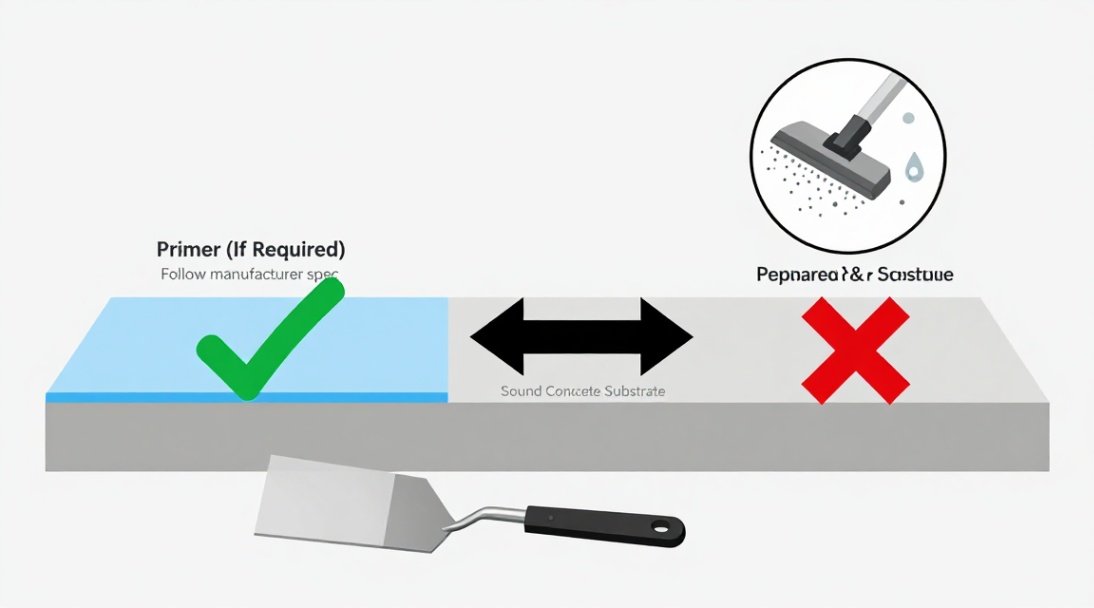
Step 1: Substrate Preparation is Non-Negotiable
Clean, sound, and flat. Remove all dust, grease, and loose material. A quick vacuum is your best friend here. For critical areas, use a primer if the thin-set manufacturer recommends it.
Step 2: Mixing is Science, Not Guesswork
Use clean, cool water. Follow the bag’s water-to-powder ratio exactly. Pour the powder into the water, not the other way around. Mix with a low-speed drill and paddle until it’s lump-free. Let it slake (rest) for 10 minutes, then re-mix briefly. That slaking time is crucial for complete polymer activation.
Step 3: Application is About Technique
“Burn” a thin coat of mortar onto the substrate with the flat side of the trowel. This ensures a primary bond. Then, comb your ridges with the notched side. Use the trowel notch size specified for your tile. Set the tile with a firm twisting motion to collapse the ridges completely.
How do I choose the right polymer powder type for my project?
Check the bag’s technical data sheet (TDS). Two key properties matter.
- Glass Transition Temperature (Tg): Think of this as the polymer’s flexibility rating. A lower Tg (like some acrylics) means more flexibility for cold floors or exterior use. A standard Tg (like many VAEs) is perfect for most interior walls and floors.
- Polymer Type: VAE powders are the versatile workhorse. Acrylic-based powders often offer better water resistance and flexibility for extreme conditions. For large-format tiles or heavy stone, look for a high-performance formula designed for non-sag and high shear strength.
When is using a polymer-modified thin-set absolutely mandatory?
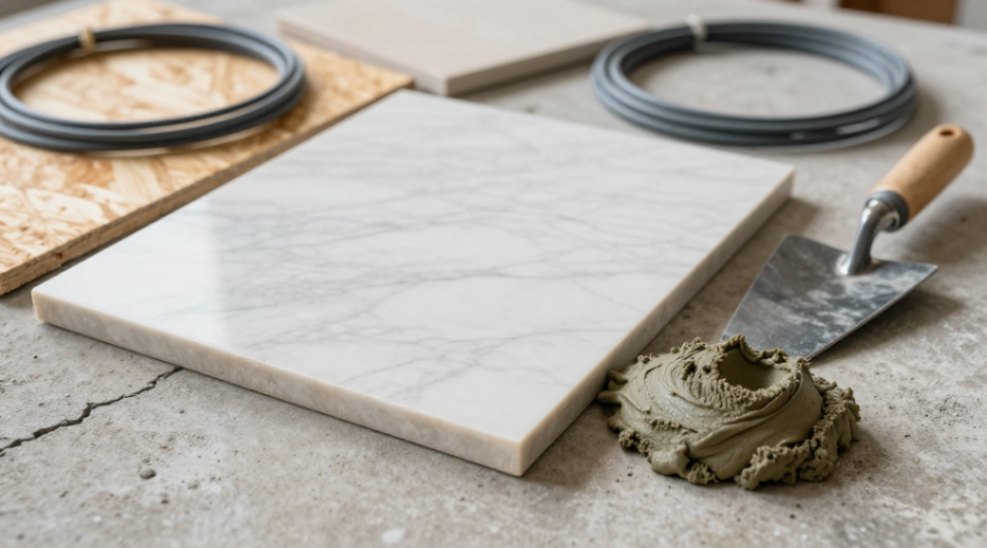
Use it for anything beyond a basic, small ceramic tile on a perfectly stable concrete slab. It is essential for: large-format tiles, natural stone, showers and wet areas, installations over plywood or gypsum board, heated floors, exterior balconies, and over cracked or moving substrates.
Stop Compromising. Start Using the Right Material.
We’ve seen too many failures from using the wrong adhesive. Your time, materials, and reputation are on the line. The upgrade to a quality polymer powder for thin-set tile adhesive is minimal compared to the cost of a failed installation. For your next project, skip the basic, un-modified mortar. Go directly to a trusted, brand-name polymer-modified thin-set. Your tiles-and your future self-will thank you.
Supplier
We are the global leader in lightweight concrete and advanced engineered foam solutions. Known globally for its commitment to research, innovation, and applied expertise, we have been providing engineered foam solutions since the early 2012’s.
We can supply high-quality concrete admixture and foam concrete related products all over the world.
The company has a professional technical department and quality supervision department, a well-equipped laboratory, and equipped with advanced testing equipment and after-sales customer service center.
If you are interested, please feel free and contact us.