Concrete-mesa | Concrete Admixtures, Tools, and Production Machines

The Deceptive Simplicity of Superplasticizer Dosage: Why Volume is the Industry’s Biggest Mistake
A Story of Slump and Arrogance
I once watched a project manager demand a 12-inch slump from a 6000-psi mix. The young engineer obediently added superplasticizer, jug by jug. The concrete flowed like water. It also bled, segregated, and never gained strength. The core samples were a disaster. The manager blamed the materials. I knew better. That failure wasn’t about the product; it was a catastrophic misunderstanding of superplasticizer dosage for concrete mix. The industry treats it like a volume knob. Turn it up for more flow. This mindset is fundamentally broken.
Factors Affecting Superplasticizer Dosage: The Chemical Chessboard
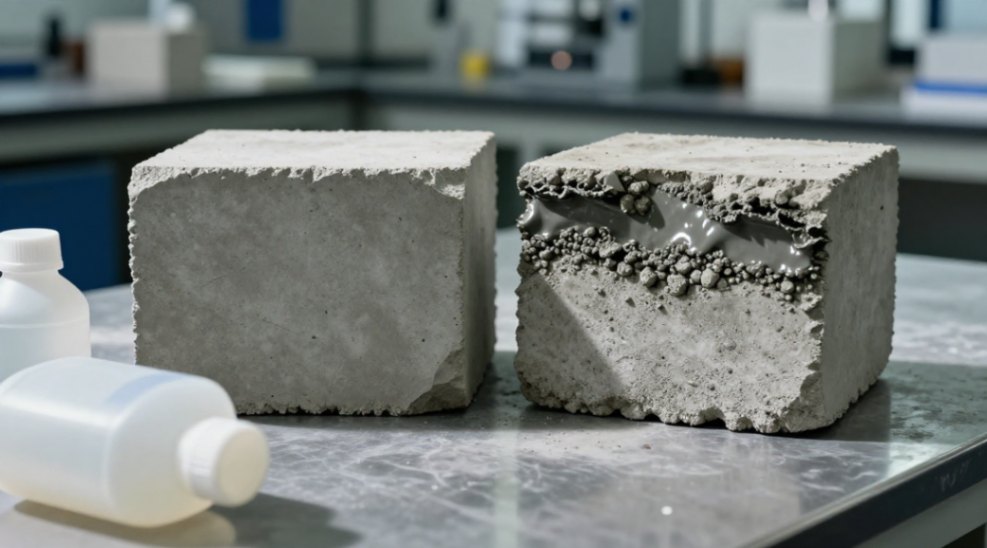
You don’t ‘dose’ superplasticizer. You mediate a reaction. Every gram interacts with hundreds of variables. Stop thinking in liters per cubic meter. Start thinking in chemical demand.
Cement Chemistry is King
The C3A and sulfate content of your cement dictates admixture demand. High C3A? The superplasticizer gets consumed in a useless early reaction, demanding higher dosage just to achieve basic dispersion. A low-alkali, low-C3A cement might need 30% less admixture for the same workability. Your cement mill certificate is the first page of the dosage manual.
The Myth of the Optimal Dosage Range
Typical ranges of 0.5% to 2.0% by weight of cement are a safety blanket for the unprepared. For a standard 400 kg/m³ mix, that’s 2 to 8 liters. It’s meaningless. The optimal dosage is the lowest possible dose that achieves your target water reduction and slump life. Period. Chasing flow with overdosing is engineering malpractice. It’s short-term gain for long-term pain.
Overdosing Consequences: When More is Catastrophically Less
The belief that extra superplasticizer is harmless insurance is a dangerous lie. Consequences are not linear; they are binary failures.
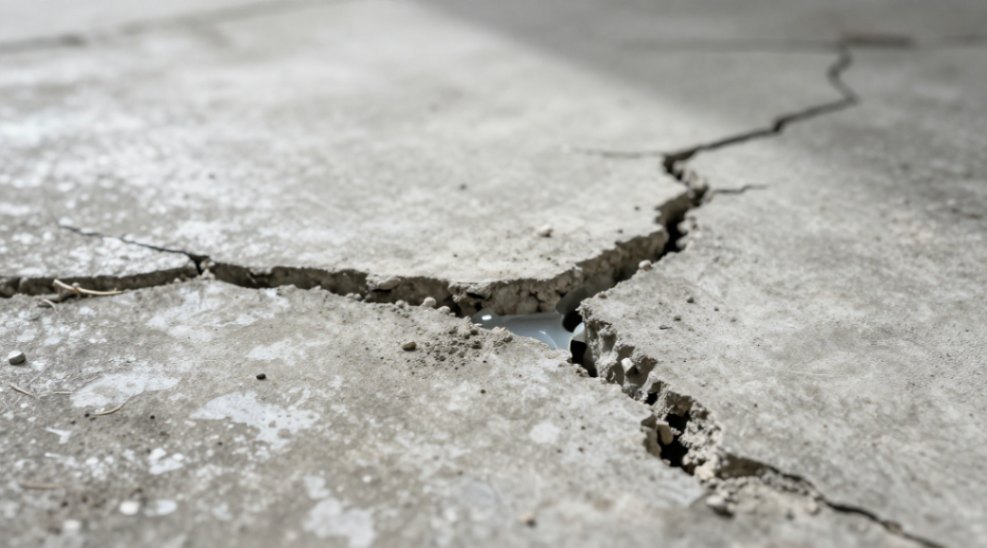
- Segregation and Bleeding: Over-lubricate the paste, and the aggregates fall out of suspension. You get a puddle of cement soup on top of a pile of rock. The structural integrity is gone.
- Excessive Retardation: The concrete never sets. Formwork stays in place for days. Schedule and budget evaporate. In cold weather, this is a recipe for permanent damage.
- False Water Reduction: You achieve slump with less water, but the overdosed admixture can entrain air or alter hydration, crippling the final strength you thought you were protecting.
The Dosage Calculation Nobody Does (But Should)
Forget the total volume. Calculate based on active solids. Your superplasticizer is 30% solids? A 5-liter dose adds only 1.5 liters of active ingredient. Now, calculate that as a percentage of your cement content. This is your true dosage. Batching sequence is critical. Add the superplasticizer to the mixing water, not onto dry cement. Ensure a full 90-120 seconds of mixing after addition. Incomplete mixing creates pockets of overdosed slurry and untreated paste. Your slump test will lie to you.
Field Testing: Your Eyes are Better Than a Chart
Slump tests are primitive but essential. The spread flow test is better. Observe the concrete. Does it flow cohesively, or does it shear and separate? Does it bleed at the edges immediately? These are real-time overdose warnings. For high-performance concrete and SCC, the rules change. SCC requires a precise, higher dosage to achieve viscosity and passing ability without segregation. Here, the margin for error shrinks to zero. Trial batches are non-negotiable.
Compatibility: The Silent Dosage Killer
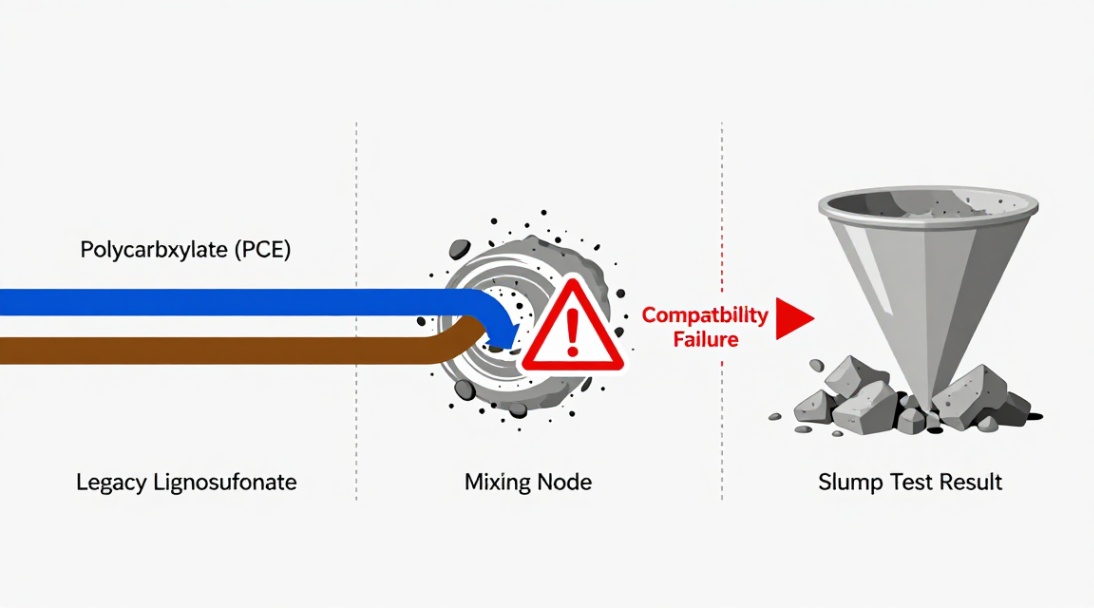
Mixing a polycarboxylate superplasticizer with a legacy lignosulfonate? Adding a retarder or accelerator? You’ve just created a new, unknown chemical. Compatibility testing isn’t a suggestion. It’s the only way to prevent flocculation, rapid slump loss, or complete workability collapse. Your perfect dosage becomes instantly irrelevant.
The Logical Path Forward
Stop guessing. Stop using generic charts. Your superplasticizer dosage for concrete mix must be derived from first principles: cement chemistry, target water reduction, and measured workability life. Begin with a controlled trial batch at 1.0% solids by cement weight. Adjust in 0.1% increments based on slump flow and 60-minute retention. Record everything-cement source, temperature, mixing time. This data becomes your proprietary dosage guide. If your current admixture supplier can’t support this level of technical rigor, their product is part of the problem. Seek solutions engineered for precision, not just volume. The right chemical partner will help you optimize, not just sell you drums.
Supplier
We are the global leader in lightweight concrete and advanced engineered foam solutions. Known globally for its commitment to research, innovation, and applied expertise, we have been providing engineered foam solutions since the early 2012’s.
We can supply high-quality concrete admixture and foam concrete related products all over the world.
The company has a professional technical department and quality supervision department, a well-equipped laboratory, and equipped with advanced testing equipment and after-sales customer service center.
If you are interested, please feel free and contact us.