Concrete4U | Concrete Admixtures, Tools, and Production Machines

How Do You Choose and Use the Right Admixtures for Your Concrete Project?
1. Introduction
Ever poured concrete only to find it too stiff, too slow to set, or cracking after a few weeks? The secret to fixing (or avoiding) these issues lies in concrete admixtures—those powerful little additives that transform ordinary mixes into high-performance material.
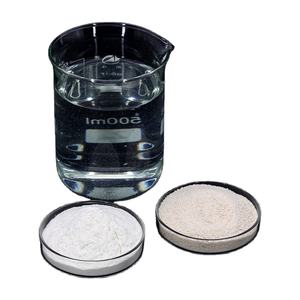
Admixtures are chemical or mineral ingredients added to concrete before or during mixing to modify its properties. From improving flow with a superplasticizer to speeding up curing with a concrete accelerator, the right admixture can make or break your project.
In this step-by-step guide, we’ll show you how to choose, dose, and apply the best admixture for concrete based on your specific needs—and how to troubleshoot common problems along the way.
2. Understanding Admixture Types
Not all admixtures are created equal. Knowing the main categories helps you pick the right one.
2.1 Chemical vs. Mineral Admixtures
Chemical admixtures—like superplasticizers, retarders, and air-entraining agents—are liquid or powder additives that alter concrete’s chemistry. Mineral admixtures (e.g., fly ash, silica fume) are finely ground materials that improve long-term strength and durability.
For most DIY and small-scale jobs, chemical admixtures are more practical and easier to dose accurately.
2.2 Common Concrete Admixture Types and Their Uses
- Water reducing admixtures (including mid-range and high-range water reducers like superplasticizers): Boost workability without adding extra water.
- Concrete retarder: Slows setting time in hot weather or for complex pours.
- Concrete accelerator: Speeds up early strength gain—ideal for cold climates or fast-track projects.
- Air entraining admixture: Adds microscopic air bubbles to improve freeze-thaw resistance.
- Waterproofing admixture: Includes integral waterproofers and crystalline waterproofing admixtures that block moisture penetration.
- Fiber reinforcement: Polypropylene fibres for concrete or steel fibers for concrete add crack control and impact resistance.
3. Step-by-Step: How to Select and Use the Right Admixture
3.1 Identify Your Concrete Challenge
Ask yourself: Is your mix too dry? Setting too fast? Cracking? Need waterproofing? Each problem points to a specific admixture type.
For example, if you need better flow without weakening the mix, a superplasticizer in concrete is your go-to. If you’re pouring in summer heat, a concrete retarder admixture prevents premature hardening.
3.2 Choose the Best Admixture for Concrete
Look for trusted brands like Chryso admixture or products labeled as polycarboxylate ether (PCE) superplasticizers—they offer high performance with low dosage.
For waterproofing, consider a crystalline waterproofing admixture or cement waterproofing additive that reacts with moisture to seal pores from within.
Need durability? Add polypropylene fibre or macro fibers for concrete fiber reinforcement that reduces plastic shrinkage cracks.
3.3 Follow Dosage Instructions Precisely
Overdosing can cause segregation, excessive bleeding, or delayed setting. Always follow the manufacturer’s guidelines.
Typical dosages:
- Superplasticizer admixture: 0.5–2% by weight of cement
- Concrete accelerator: 1–3% of cement weight
- Air entraining agent: 0.05–0.2% of total mix
- Integral waterproofer: Varies by product—often 1–3 liters per 100 kg of cement
3.4 Mix Properly
Add liquid admixtures to mixing water first. Powder types should be blended with dry cement before adding water.
Mix for at least 2–3 minutes after adding admixtures to ensure uniform distribution—especially critical for super plasticizers and fiberfor concrete mixes.
4. Common Problems and Quick Fixes
4.1 Concrete Too Sticky or Segregating After Adding Superplasticizer
This usually means overdosing. Reduce the amount next time. Also, ensure your superplasticizer is compatible with your cement type—some naphthalene-based superplasticizers react poorly with certain cements.
4.2 Accelerator Not Working in Cold Weather
Check the temperature. Most accelerating admixtures for concrete lose effectiveness below 5°C (40°F). Combine with insulation or use fast curing concrete additives designed for sub-zero conditions.
4.3 Poor Air Entrainment Despite Using an Air Entraining Concrete Admixture
Hard water or certain cement types can interfere. Test air content with a pressure meter. Adjust dosage or switch to a protein-based air entraining agent if needed.
4.4 Waterproofing Admixture Not Preventing Leaks
Integral waterproofers won’t fix poor compaction or large cracks. Ensure proper placement, vibration, and curing. For existing structures, combine with surface-applied coatings.
5. Pro Tips for Success
- Never mix different admixtures unless the manufacturer confirms compatibility.
- Store admixture chemicals in cool, dry places—heat degrades performance.
- For stamped or colored concrete, use a concrete release agent that won’t discolor your tinted mix.
- When using fiber reinforced concrete, opt for pre-blended fibermesh concrete to avoid clumping.
- Always do a small trial batch before full-scale pouring—especially when combining multiple concrete additives.
6. Conclusion
Choosing and using the right admixture used in concrete doesn’t have to be complicated. By matching the admixture type to your specific challenge—whether it’s workability, curing time, durability, or waterproofing—you’ll achieve professional results every time.
Remember: the best admixture for concrete is the one that solves your problem without side effects. Read labels, measure carefully, and test first. With these steps, your next pour will be stronger, smoother, and longer-lasting.
Our Website founded on October 17, 2012, is a high-tech enterprise committed to the research and development, production, processing, sales and technical services of ceramic relative materials such as How. Our products includes but not limited to Boron Carbide Ceramic Products, Boron Nitride Ceramic Products, Silicon Carbide Ceramic Products, Silicon Nitride Ceramic Products, Zirconium Dioxide Ceramic Products, etc. If you are interested, please feel free to contact us.