Concrete4U | Concrete Admixtures, Tools, and Production Machines

How Are Advanced Admixtures Revolutionizing 3D-Printed Concrete Construction?
1. Introduction
Just 48 hours ago, a milestone in sustainable construction was achieved: the completion of the first fully 3D-printed concrete house in Texas, built using advanced admixtures to ensure structural precision and rapid build time. This breakthrough underscores a growing trend—3D concrete printing is no longer experimental but a viable method for affordable, resilient housing. At the heart of this innovation? Sophisticated concrete admixtures tailored for extrusion-based printing.
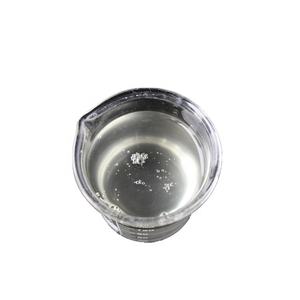
Unlike traditional pours, 3D-printed concrete must flow smoothly through a nozzle, hold its shape instantly after deposition, and gain strength rapidly—without formwork. Meeting these demands requires a carefully engineered cocktail of concrete chemicals. From superplasticizers to fiber reinforcement and waterproofing admixtures, the right admixture used in concrete can make or break a printed structure.
2. Why Standard Concrete Mixes Fail in 3D Printing
Conventional concrete is too fluid or too stiff for layer-by-layer deposition. It either slumps under its own weight or clogs the printer nozzle. Moreover, it lacks the early-strength development needed to support subsequent layers. This is where specialized admixtures become essential.
2.1. The Critical Role of Superplasticizers
Superplasticizer in concrete—particularly polycarboxylate ether (PCE)-based superplasticizers—acts as a high-range water reducer that dramatically increases workability without adding extra water. This is vital for 3D printing: the mix must be fluid enough to pump but stiff enough to retain shape immediately after extrusion.
PCE superplasticizer offers superior slump retention compared to older naphthalene or melamine-based types, ensuring consistent printability over long durations. As a concrete water reducer, it also enhances final strength and durability by lowering the water-cement ratio—a key advantage in printed walls exposed to weather.
2.2. Accelerating Admixtures for Fast Curing
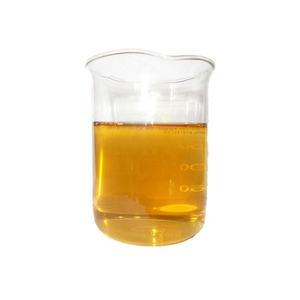
Time is critical in 3D printing. Each layer must harden quickly to support the next. That’s where concrete accelerator curing time modifiers come in. Accelerating admixtures for concrete—often based on calcium nitrate or proprietary blends—reduce initial set time without compromising long-term strength.
These fast curing concrete additives allow printers to build walls several feet high in under an hour. Without them, the structure would deform or collapse before gaining sufficient rigidity.
2.3. Fiber Reinforcement: Beyond Steel Rebar
Traditional rebar doesn’t integrate well with thin, printed layers. Enter fiber reinforced concrete. Macro fibers—such as polypropylene fibres for concrete, steel fibers for concrete, or even carbon fiber reinforcement in concrete—provide tensile strength and crack control throughout the matrix.
- Polypropylene fibre improves impact resistance and reduces plastic shrinkage cracks.
- Steel fiber reinforced concrete enhances load-bearing capacity, crucial for structural walls.
- Carbon fiber concrete offers high strength-to-weight ratios for lightweight yet robust designs.
These reinforcement fiber for concrete options eliminate the need for post-print rebar insertion, streamlining the entire process.
3. Waterproofing and Durability in Printed Structures
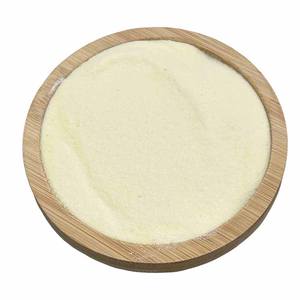
Exterior 3D-printed homes face rain, humidity, and freeze-thaw cycles. Standard concrete isn’t inherently waterproof—enter waterproofing admixture solutions.
Integral waterproofer and crystalline waterproofing admixture types react with cement to form insoluble crystals that block capillary pores. Unlike surface coatings, these concrete waterproof admix additives work from within, providing lifelong protection.
Air entraining admixture is another key player. By introducing microscopic air bubbles via an air entraining agent, it improves freeze-thaw resistance—critical for homes in colder climates. This air entraining concrete technique is especially effective when combined with mineral admixtures like fly ash or silica fume.
4. Specialty Additives for Print Precision
Beyond strength and durability, print fidelity matters. Surface retarder concrete admixtures can delay setting on exposed surfaces for decorative texturing, while concrete release agents (like water-based release sprays) prevent nozzle buildup during long prints.
Foaming agents are also gaining traction for lightweight infill layers. Protein-based foaming agents or synthetic foaming agent for concrete create cellular concrete with reduced density—ideal for non-load-bearing interior walls.
5. Choosing the Best Admixture for Concrete Printing
Not all admixtures are created equal. The best admixture for concrete in 3D printing balances:
- High fluidity with zero segregation (thanks to superplasticizer admixture)
- Rapid stiffening without flash set (via concrete retarder admixture fine-tuning)
- Uniform fiber dispersion (using concrete additives fiber with anti-ball technology)
- Long-term weather resistance (through admixture waterproofing and air entraining)
Leading brands like Chryso admixture offer tailored solutions, but even generic PCE-based superplasticizers and polypropylene fiberfor concrete mixes can deliver excellent results when properly dosed.
6. Conclusion
The future of construction is being printed—one layer at a time—and advanced admixtures are the unsung heroes making it possible. From superplasticizers that enable smooth extrusion to fibers that replace rebar and waterproofing admixtures that ensure decades of durability, these concrete chemicals are transforming how we build. As 3D printing scales globally, understanding and optimizing admixture types will be key to unlocking faster, greener, and more resilient housing solutions.
Our Website founded on October 17, 2012, is a high-tech enterprise committed to the research and development, production, processing, sales and technical services of ceramic relative materials such as How. Our products includes but not limited to Boron Carbide Ceramic Products, Boron Nitride Ceramic Products, Silicon Carbide Ceramic Products, Silicon Nitride Ceramic Products, Zirconium Dioxide Ceramic Products, etc. If you are interested, please feel free to contact us.