Concrete4U | Concrete Admixtures, Tools, and Production Machines

Admixtures Are Revolutionizing Modern Concrete—Here’s How
1. Introduction
Just 24 hours ago, a major infrastructure project in Texas announced it would use advanced polycarboxylate ether (PCE)-based superplasticizers to accelerate curing time while maintaining high-strength performance—a move highlighting how modern admixtures are transforming concrete technology. As cities expand and sustainability demands grow, admixtures have become essential tools for engineers and builders alike.
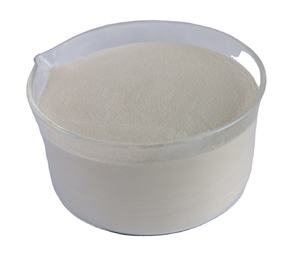
Whether you’re pouring a backyard patio or constructing a high-rise, understanding admixtures can dramatically improve your results. In this guide, we’ll break down what admixtures are, the different types available, and why they matter in today’s construction landscape.
2. What Are Admixtures?
Admixtures—sometimes called ad mixtures—are chemical or mineral ingredients added to concrete before or during mixing to modify its properties. These concrete additives enhance workability, durability, setting time, strength, and resistance to environmental factors.
Unlike traditional cement, which forms the base of concrete, admixtures fine-tune performance without altering the fundamental mix design. They’re used in nearly every modern concrete application—from sidewalks to skyscrapers.
3. Common Types of Concrete Admixtures
There are dozens of admixture types, but most fall into a few key categories based on function:
- Water reducing admixtures (including mid-range and high-range water reducers)
- Superplasticizers (also known as super plasticizers or concrete superplasticizer additives)
- Accelerating admixtures for concrete (concrete accelerator)
- Retarding admixtures (concrete retarder or admixture retarder)
- Air entraining admixtures (air entraining agent or air entraining concrete)
- Waterproofing admixtures (integral waterproofer, crystalline waterproofing admixture, etc.)
- Fiber reinforcement (polypropylene fibres for concrete, steel fibers for concrete, etc.)
- Foaming agents (for lightweight or foam concrete)
4. Superplasticizers: The Game-Changer
Superplasticizer in concrete is arguably the most impactful innovation in recent decades. These high-range water reducers—often based on polycarboxylate ether (PCE), naphthalene, or melamine—dramatically increase flowability without adding extra water.
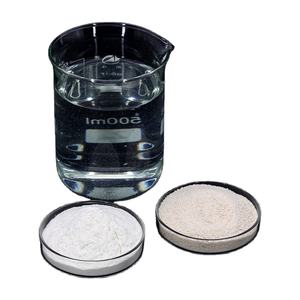
Why does that matter? Less water means higher strength and lower permeability. A PCE-based superplasticizer admixture can reduce water content by up to 40%, enabling self-consolidating concrete that’s both strong and easy to place.
Contractors often ask, ‘What’s the best superplasticizer for concrete?’ The answer depends on the project, but polycarboxylate superplasticizers are increasingly favored for their efficiency, compatibility, and eco-friendliness compared to older naphthalene sulfonate formulations.
5. Setting Time Control: Accelerators and Retarders
Need fast curing concrete additives for a winter pour? Concrete accelerator curing time reducers help concrete set quickly, even in cold weather. Brands like Chryso admixture offer specialized accelerating admixtures for concrete that maintain long-term integrity.
On the flip side, a concrete retarder admixture delays setting—ideal for hot climates or large pours where you need extra working time. Surface retarder concrete products are also used in decorative applications to expose aggregate finishes.
6. Durability Boosters: Air Entraining and Waterproofing
Air entraining admixture introduces microscopic air bubbles into the mix, improving freeze-thaw resistance. This is critical in regions with harsh winters. Look for terms like air entraining cement or air entraining agent when sourcing these products.
For moisture-prone areas, waterproofing admixture options abound. Crystalline waterproofing admixture reacts with water and unhydrated cement to form insoluble crystals that block pores. Other options include cement waterproofing additive and concrete waterproof admix formulas that provide integral protection—no surface coating needed.
7. Fiber Reinforcement: Beyond Steel Rebar
Fibers for concrete—like polypropylene fibre, steel fiber reinforced concrete, or even coconut fiber reinforced concrete—add tensile strength and crack resistance. These reinforcement fibers eliminate or reduce the need for traditional rebar in slabs and overlays.
Macro fibers and microfibers serve different purposes: macro fibers control cracking after initial set, while concrete microfiber improves early-age plastic shrinkage resistance. Products like Fibermesh concrete or pp fiber concrete are widely available at retailers like Home Depot.
Note: While ‘concrete fiber siding’ and ‘fibercement siding’ sound related, they refer to exterior cladding—not structural concrete mixes. Hardie and CertainTeed are top manufacturers of concrete siding that looks like wood, but that’s a separate product category.
8. Specialized Additives: Foaming Agents and Colorants
Foaming agent for foam concrete enables lightweight cellular concrete (also called aircrete). CLC foaming agent—often protein-based or synthetic—is mixed with cement slurry to create insulating blocks or fills. The best foaming agent for aircrete balances stability, bubble size, and cost.
For aesthetics, colored concrete relies on pigments and release agents. Stamped concrete colors range from charcoal to terra cotta, applied using powder release agents or spray release. Don’t forget the concrete form release agent—it prevents sticking without staining the final surface.
9. Choosing the Right Admixture
The best admixture for concrete depends on your goals: strength, speed, workability, durability, or appearance. Always consider compatibility with your cement type, ambient conditions, and project specs.
Many contractors now combine admixtures—e.g., a superplasticizer with an integral waterproofer and polypropylene fibers—for multifunctional performance. Always follow manufacturer guidelines and test trial batches first.
10. Conclusion
From superplasticizer admixture to crystalline waterproofing and fiber reinforcement, modern admixtures empower builders to create smarter, longer-lasting concrete structures. As new formulations like PCE-based superplasticizers and eco-friendly foaming agents hit the market, the future of concrete is not just stronger—it’s more adaptable than ever.
Our Website founded on October 17, 2012, is a high-tech enterprise committed to the research and development, production, processing, sales and technical services of ceramic relative materials such as Admixtures. Our products includes but not limited to Boron Carbide Ceramic Products, Boron Nitride Ceramic Products, Silicon Carbide Ceramic Products, Silicon Nitride Ceramic Products, Zirconium Dioxide Ceramic Products, etc. If you are interested, please feel free to contact us.