Concrete-mesa | Concrete Admixtures, Tools, and Production Machines

Unlock the Future of Construction: How Advanced Admixtures Are Revolutionizing Fiber-Reinforced Concrete Siding
1. Introduction
Just 24 hours ago, James Hardie Industries announced a breakthrough in its next-generation fiber cement siding: a new formulation infused with high-performance admixtures that dramatically improves crack resistance, water repellency, and installation speed. This innovation underscores a growing trend—using specialized concrete admixtures not just for structural pours, but for architectural cladding like concrete fiber siding.
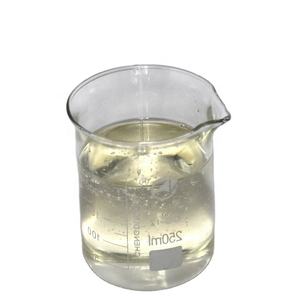
Gone are the days when siding was purely aesthetic. Today’s concrete siding must perform like armor while mimicking wood grain or stone textures. That’s only possible thanks to advanced admixture technology. From superplasticizer in concrete to crystalline waterproofing admixture, these concrete additives are quietly transforming how homes are built—and how long they last.
2. Why Admixtures Matter in Fiber-Reinforced Concrete Siding
Fiber-reinforced concrete (FRC) is the backbone of modern concrete siding. Whether it’s polypropylene fibres for concrete or steel fibers for concrete, reinforcement alone isn’t enough. Without the right admixture used in concrete, the mix would be too stiff to mold into intricate wood-look panels or too porous to withstand decades of rain and UV exposure.
That’s where concrete admixture types come into play. The best admixture for concrete in siding applications balances workability, strength, and weather resistance—all while keeping production costs manageable for manufacturers like Certainteed and Hardie.
3. Key Admixture Types Powering Modern Concrete Siding
3.1 Superplasticizers: Enabling Precision and Flow
Superplasticizer admixture—particularly polycarboxylate ether (PCE)-based formulas—is essential for achieving the ultra-smooth surfaces required in stamped or textured concrete siding. These super plasticizers act as high-range water reducers, allowing manufacturers to cut water content by up to 40% without sacrificing flow.
The result? A denser, stronger matrix that holds fine details—like faux cedar shakes or lapboard patterns—without honeycombing. Plus, less water means fewer capillaries for moisture to penetrate, boosting longevity.
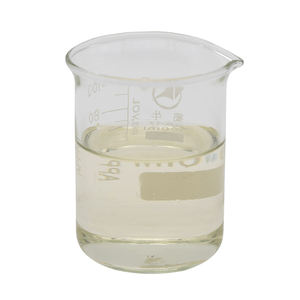
3.2 Waterproofing Admixtures: Built-In Defense
Traditional sealants wear off. But with an integral waterproofer or crystalline waterproofing admixture mixed directly into the batch, protection becomes part of the material itself. Cement waterproofing additive technologies react with moisture to form insoluble crystals that block pores from within.
This admixture waterproofing approach is especially critical for concrete siding that looks like wood—an increasingly popular choice for homeowners seeking low-maintenance exteriors. Unlike paint or coatings, waterproof admix remains effective even if the surface gets scratched during installation.
3.3 Fibers + Admixtures: A Dynamic Duo
Concrete additives fiber systems—ranging from macro fibers to microfibers like polypropylene fibre—prevent shrinkage cracks during curing. But fibers can make the mix sticky and hard to pump. Enter plasticizer for concrete: a well-dosed superplasticizer admixture ensures fibers disperse evenly without clumping.
In coconut fiber reinforced concrete (an emerging sustainable option), air entraining admixture helps maintain workability while improving freeze-thaw resistance. Meanwhile, fast curing concrete additives reduce demolding time in precast facilities, speeding up production cycles.
4. Real-World Impact: Cost, Aesthetics, and Sustainability
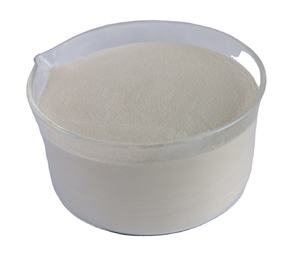
Thanks to optimized admixture blends, concrete siding cost has become competitive with premium wood alternatives—without the rot, warping, or painting. Home Depot and other retailers now stock concrete fiber siding that combines carbon fiber reinforcement in concrete with tinted finishes, eliminating the need for post-installation staining.
Manufacturers also leverage concrete retarder admixture and surface retarder concrete techniques to create exposed-aggregate effects or custom textures. And with white cement as a base, colored concrete powder can produce everything from charcoal stamped concrete to terra cotta concrete color—all baked into the panel during casting.
5. Choosing the Right Admixture System
Not all admixtures play nice together. For example, some air entraining agents can reduce the effectiveness of superplasticizers if not dosed correctly. That’s why top producers rely on engineered packages—like Chryso admixture systems—that balance:
- Water reducing admixtures for flow control
- Air entraining concrete additives for climate resilience
- Concrete accelerator curing time modifiers for faster throughput
- Concrete waterproof admix for lifelong moisture defense
Always consult technical data sheets (not ‘bio data sheet’—a common misnomer!) to ensure compatibility between your cement admixture, fibers, and pigments.
6. Conclusion
The future of home exteriors isn’t just about looks—it’s about intelligent materials. By integrating advanced admixtures like superplasticizer, waterproofing admixture for concrete, and fiber reinforcement, today’s concrete siding delivers unmatched durability, design flexibility, and value. As innovations like James Hardie’s latest launch show, the humble concrete chemical is anything but ordinary.
Our Website founded on October 17, 2012, is a high-tech enterprise committed to the research and development, production, processing, sales and technical services of ceramic relative materials such as Unlock. Our products includes but not limited to Boron Carbide Ceramic Products, Boron Nitride Ceramic Products, Silicon Carbide Ceramic Products, Silicon Nitride Ceramic Products, Zirconium Dioxide Ceramic Products, etc. If you are interested, please feel free to contact us.