Concrete4U | Concrete Admixtures, Tools, and Production Machines

5 Costly Mistakes to Avoid When Choosing Automatic Concrete Foam Generator Equipment
Dave, a project manager for a mid-sized CLC block plant, thought he’d made a smart buy. He purchased an automatic foam generator equipment unit based on a low sticker price and a few flashy brochures. Six months later, his story became a cautionary tale on industry forums: inconsistent foam, ruined batches, and a machine that spent more time under repair than in production. His “bargain” cost him tens of thousands in lost material and downtime. Dave’s experience is far too common.
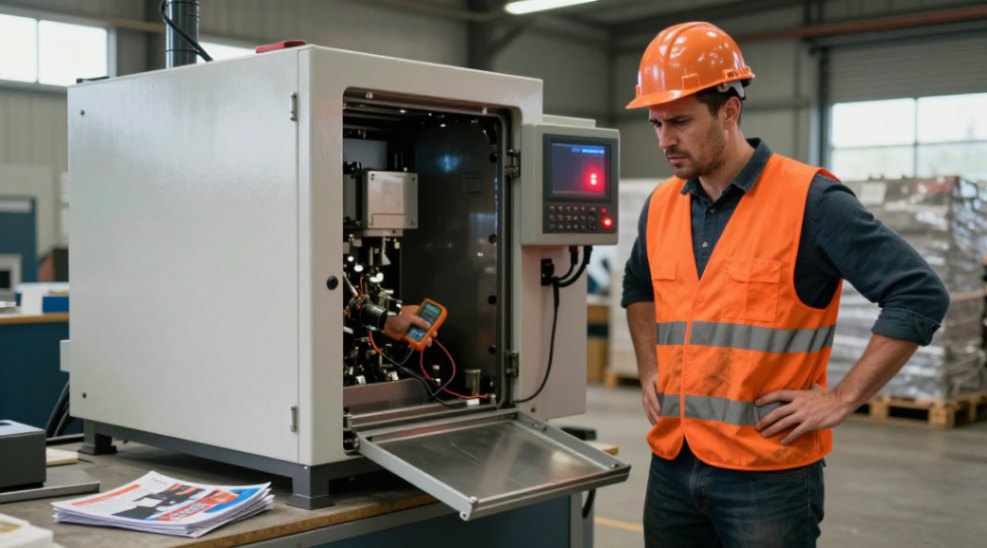
This article isn’t a generic buyer’s guide. It’s a warning. Based on decades of field experience and shared user frustrations (you’ll find threads echoing Dave’s pain on platforms like Reddit), we’re listing the critical mistakes that sabotage projects. We’ll show you how to sidestep them and what to prioritize instead.
Critical Warning: The 5 Mistakes That Will Sink Your Foam Concrete Project
1. Prioritizing Price Over Precision and Consistency
The biggest error is buying a foam generator like a commodity. The core purpose of automatic concrete foam generator equipment is to produce foam with a stable, repeatable density, batch after batch. Cheap units often fail here.
- The Mistake: Choosing equipment based solely on the lowest bid. These machines may use inferior pumps, inaccurate sensors, or basic controllers that cannot maintain the air-to-solution ratio.
- The Consequence: Fluctuating foam density. This directly destroys your final product’s structural and thermal properties. One batch of CLC blocks is light and insulating; the next is dense and weak.
- The Fix: Evaluate the foam density range and consistency specification. Demand performance data. A proper system integrates precise metering pumps, mass flow meters, and a robust PLC that self-adjusts.
2. Ignoring Integration Capability With Your Existing Plant
An automatic foam generator is not a standalone island. It must communicate seamlessly with your batching and mixing systems.
- The Mistake: Assuming any generator will “plug and play” into your current setup without checking communication protocols (like Profibus, Ethernet/IP) or control compatibility.
- The Consequence: Manual intervention, timing errors, and production bottlenecks. You bought automation but created a manual coordination headache.
- The Fix: Before purchase, map out the signal flow. Specify how the generator will receive the “start” command and deliver foam. Ensure your contractor or supplier understands the full system integration.
3. Overlooking Daily Maintenance Demands
Automatic does not mean maintenance-free. The mechanism relies on clean fluids and unobstructed pathways.
- The Mistake: Running the equipment without a strict daily and weekly cleaning regimen. Letting foam solution residue harden in lines or on probes.
- The Consequence: Clogged nozzles, drifting sensor readings, and eventual pump failure. The equipment’s precision degrades rapidly. As one user lamented online, “The foam quality dropped off a cliff in weeks because we skipped cleanings.”
- The Fix: Implement and enforce a simple 10-minute post-shift flush procedure. Choose equipment with easy-access cleaning ports and self-draining capabilities. This is the single most effective operational best practice.
4. Under-Specifying for Your Production Scale and Future Growth
Matching the generator’s output capacity to your needs is a delicate balance.
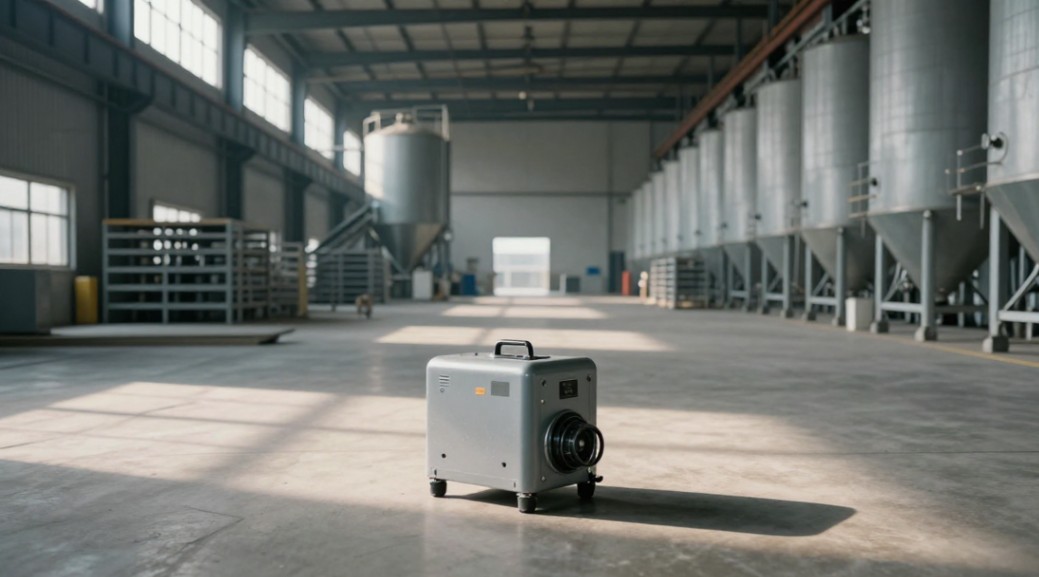
- The Mistake: Buying a small unit to save money, maxing it out daily. Or, buying an oversized unit that never runs efficiently.
- The Consequence: Chronic underproduction delays projects. An oversized unit costs more upfront and wastes energy, hurting your ROI. It also struggles to generate stable foam at low output rates.
- The Fix: Calculate your required foam volume per hour at peak demand. Add a 15-20% buffer for growth. Select a model where your typical usage is in the middle of its operating range for optimal performance.
5. Neglecting the Foam Solution Itself
The best automatic concrete foam generator equipment is only as good as the liquid you feed it.
- The Mistake: Using inconsistent, low-quality, or improperly diluted foam concentrate. Changing suppliers or formulas without recalibrating the equipment.
- The Consequence: Unstable bubble structure, rapid foam collapse, and poor integration with the cement slurry. This wastes concentrate and ruins the concrete’s lightweight properties.
- The Fix: Standardize on a high-quality concentrate. Use precise, automated dilution systems if possible. If you must change concentrates, factor in time to retest and recalibrate your generator’s settings.
How to Select Equipment That Actually Works
Now that you know the pitfalls, focus on these positive actions. Your selection criteria must center on precision, reliability, and support.
- Audit for Precision Components: Look for stainless steel proportioning pumps, Coriolis mass flow meters for liquid, and thermal mass flow meters for air. These are the heart of consistent density control.
- Demand a Smart Control System: The PLC should offer recipe management, real-time density display, and fault diagnostics. It should log data for quality tracking.
- Verify Safety and Compliance: Check for essential safety features: pressure relief valves, emergency stops, and electrical certifications for your region (CE, UL).
- Plan for Service Access: Ask about spare part availability and local technician support. A machine with fantastic specs is a paperweight if you can’t fix a simple seal failure.
- Test with Your Materials: The final, non-negotiable step. Before finalizing the purchase, run a factory acceptance test using your actual cement, sand, and foam concentrate. Verify the foam stability and the final CLC sample density.
Following this process moves you from a reactive buyer to an informed specifier. You stop comparing vague promises and start comparing measurable performance data. This is how you achieve the true benefits of automation: material savings, perfect density control, and a fast return on investment.
Your next step is critical. Don’t just collect brochures. Create a technical specification based on these warnings and requirements. Then, present that spec to potential suppliers. Their response will immediately separate the serious equipment manufacturers from the rest. The right partner will welcome your detailed questions and offer a demonstrable solution, ensuring your foray into automated foam concrete production builds on a solid foundation, not a costly mistake.
Supplier
We are the global leader in lightweight concrete and advanced engineered foam solutions. Known globally for its commitment to research, innovation, and applied expertise, we have been providing engineered foam solutions since the early 2012’s.
We can supply high-quality concrete admixture and foam concrete related products all over the world.
The company has a professional technical department and quality supervision department, a well-equipped laboratory, and equipped with advanced testing equipment and after-sales customer service center.
If you are interested, please feel free and contact us.