Concrete-mesa | Concrete Admixtures, Tools, and Production Machines

Admixtures Are Essential for High-Performance Concrete—Here’s Why
1. Introduction
Ever wonder how today’s concrete achieves such incredible strength, flow, and resilience? The secret lies in admixtures—specialized additives mixed into concrete to fine-tune its properties. Whether you’re pouring a driveway, building a skyscraper, or crafting decorative stamped concrete, the right admixture can make all the difference.
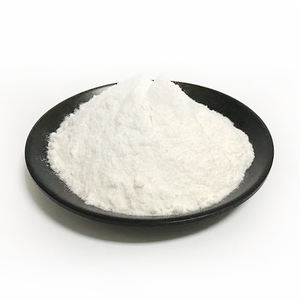
Concrete admixtures aren’t just optional extras—they’re essential tools in modern construction. They help control setting time, improve workability, boost durability, and even add aesthetic flair. Let’s dive into the world of admixtures and uncover how they transform ordinary concrete into high-performance material.
2. What Are Admixtures?
Admixtures are ingredients added to concrete before or during mixing to modify its characteristics. These can be chemical compounds or finely ground minerals. The term ‘ad mixtures’ (often written as one word: admixtures) covers a wide range of products designed for specific purposes.
They fall into two main categories: chemical admixtures and mineral admixtures. Chemical admixtures include liquids or powders like superplasticizers and accelerators, while mineral admixtures—such as fly ash or silica fume—are cementitious or pozzolanic materials that enhance long-term performance.
3. Common Types of Concrete Admixtures
3.1 Water-Reducing Admixtures
Water reducing admixtures lower the water content needed for a given slump, improving strength without sacrificing workability. Among these, superplasticizers (also called high-range water reducers) are the most powerful.
Superplasticizer in concrete can reduce water by 15–30%, enabling high-strength, self-consolidating mixes. Polycarboxylate ether (PCE)-based superplasticizers are now the gold standard due to their efficiency and compatibility with modern cements.
- Superplasticizer admixture options include naphthalene-based, melamine-based, and PCE types
- Best superplasticizer for concrete depends on your mix design and curing conditions
- Superplasticizer price varies by chemistry and concentration
3.2 Retarding and Accelerating Admixtures
Concrete retarder admixtures delay setting time—ideal for hot weather or long hauls. Surface retarder concrete is used in exposed-aggregate finishes.
On the flip side, concrete accelerator admixtures speed up early strength gain. Fast curing concrete additives are crucial in cold climates or when forms need early removal.
Both types directly impact concrete accelerator curing time and overall project scheduling.
3.3 Air-Entraining Admixtures
Air entraining concrete contains microscopic air bubbles that improve freeze-thaw resistance. An air entraining admixture introduces these bubbles uniformly throughout the mix.
Also called air entraining agents or air entraining cement additives, they’re vital in regions with harsh winters. Without them, water expansion during freezing can crack concrete from within.
3.4 Waterproofing Admixtures
Want concrete that repels water? Integral waterproofer, crystalline waterproofing admixture, and cement waterproofing additive options exist.
These concrete waterproofing additives react internally to block capillary pores. Waterproof admix products like Chryso admixture offer long-term protection without surface coatings.
- Waterproofing admixture for concrete is different from topical sealers
- Admixture waterproofing works from the inside out
- Ideal for basements, tanks, and foundations
4. Fiber Reinforcement in Concrete
Fibers for concrete—like polypropylene fibres for concrete, steel fibers for concrete, or even coconut fiber reinforced concrete—add tensile strength and crack control.
Fiber reinforced concrete is used in slabs, pavements, and even siding. Products like Hardie concrete siding and CertainTeed concrete siding often incorporate fiberfor concrete mix technology.
Macro fibers and microfibers serve different roles: macro fibers bridge cracks, while concrete microfiber reduces plastic shrinkage.
- PP fiber concrete improves impact resistance
- Carbon fiber reinforced concrete offers ultra-high performance
- Fibermesh concrete uses synthetic fibers for easy placement
5. Specialty Admixtures and Additives
5.1 Foaming Agents
For lightweight applications like CLC blocks or foamcrete, a concrete foaming agent creates stable air voids. Protein-based foaming agents and synthetic foaming agents are common choices.
Best foaming agent for aircrete depends on density requirements and equipment—foamcrete machines often require specific viscosities.
5.2 Coloring and Release Agents
Colored concrete gets its hue from pigments or colored concrete powder. Stamped concrete colors range from charcoal to terra cotta, with patterns mimicking stone or wood.
A concrete release agent—powder or spray—prevents stamps from sticking. Water-based release agents and mold release oils ensure clean impressions without staining.
5.3 White Cement and Aesthetic Finishes
White cement is used for architectural concrete, countertops, and decorative mortar. Unlike gray Portland cement, white portland cement offers a bright base for tints and stains.
White concrete mix is popular for modern concrete siding and pavers, especially when a clean, contemporary look is desired.
6. Choosing the Best Admixture for Concrete
The best admixture for concrete depends on your project goals. Need flow? Go for a superplasticizer. Worried about cracking? Add polypropylene fibre. Building in wet conditions? Use a crystalline waterproofing admixture.
Always consult technical data sheets and consider compatibility with your cement type, aggregates, and other concrete chemicals. Reputable brands like Chryso offer tailored solutions for complex mixes.
7. Conclusion
From superplasticizers to waterproofing admixtures and fiber reinforcement, modern concrete relies heavily on carefully selected additives. Understanding admixture types—and how they interact—empowers builders to create safer, longer-lasting, and more versatile structures.
Whether you’re a contractor sourcing from Home Depot concrete siding suppliers or a DIYer coloring stamped concrete at home, knowing your admixtures ensures better results every time.
Our Website founded on October 17, 2012, is a high-tech enterprise committed to the research and development, production, processing, sales and technical services of ceramic relative materials such as Admixtures. Our products includes but not limited to Boron Carbide Ceramic Products, Boron Nitride Ceramic Products, Silicon Carbide Ceramic Products, Silicon Nitride Ceramic Products, Zirconium Dioxide Ceramic Products, etc. If you are interested, please feel free to contact us.