Concrete-mesa | Concrete Admixtures, Tools, and Production Machines

10 Essential Types of Admixtures Every Concrete Pro Should Know in 2024
1. Introduction
Just 24 hours ago, the American Concrete Institute (ACI) released updated guidelines emphasizing the critical role of chemical admixtures in achieving sustainable, high-performance concrete amid rising global infrastructure demands. With climate-resilient construction now a top priority, understanding admixtures isn’t just technical—it’s essential.
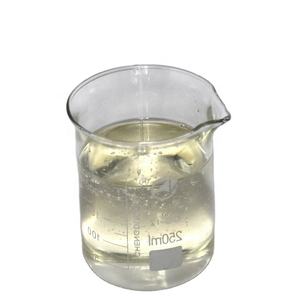
Whether you’re a contractor, engineer, or DIY enthusiast, knowing which admixture used in concrete delivers the right balance of strength, flow, and longevity can make or break your project. From superplasticizer in concrete to crystalline waterproofing admixture, these concrete chemicals are the unsung heroes behind today’s toughest builds.
2. What Are Admixtures?
Admixtures—sometimes spelled ‘ad mixtures’—are materials added to concrete before or during mixing to modify its properties. Unlike aggregates or cement, they’re used in small quantities but yield significant performance improvements. Think of them as the ‘secret sauce’ that tailors concrete to specific environmental, structural, or aesthetic needs.
Modern concrete admixture types fall into two broad categories: chemical and mineral. Chemical admixtures include liquids or powders like superplasticizers and accelerators, while mineral admixtures—such as fly ash or silica fume—enhance long-term durability and reduce cement consumption.
3. Key Types of Concrete Admixtures
3.1. Water-Reducing Admixtures
Water reducing admixtures, also called concrete water reducers, decrease the water content needed for a given slump without sacrificing workability. This boosts strength and reduces permeability. Mid-range and high-range water reducers (like polycarboxylate ether-based superplasticizers) are especially popular for high-strength applications.
- Superplasticizer admixture (e.g., PCE or naphthalene-based) can reduce water by 30% or more.
- Best superplasticizer for concrete today is often polycarboxylate ether (PCE), prized for its slump retention and eco-friendliness.
- Brands like Chryso admixture offer tailored superplasticizer solutions for complex mixes.
3.2. Accelerating and Retarding Admixtures
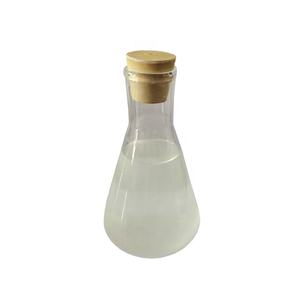
Concrete accelerator admixtures speed up early strength gain—ideal for cold weather or fast-track projects. They shorten concrete accelerator curing time significantly. Conversely, concrete retarder admixtures delay setting, useful in hot climates or for long hauls.
Surface retarder concrete is a specialty type used in exposed-aggregate finishes, where only the surface layer is delayed to allow gentle washing later.
3.3. Air-Entraining Admixtures
Air entraining concrete contains microscopic air bubbles created by air entraining admixture (or air entraining agent). These bubbles improve freeze-thaw resistance—critical in northern climates. Air entraining cement is standard in many highway and bridge specs.
Don’t confuse this with foaming agents; air entrainment adds stability, not volume.
3.4. Waterproofing Admixtures
From integral waterproofer to crystalline waterproofing admixture, these concrete waterproofing additives react internally to block moisture penetration. Cement waterproofing additive options include hydrophobic chemicals or reactive crystals that seal pores over time.
- Waterproof admix products like concrete waterproof admix are gaining traction in basements and tunnels.
- Admixture waterproofing is often preferred over surface coatings for long-term reliability.
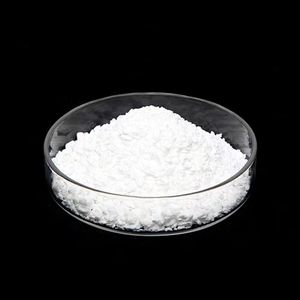
4. Specialty Additives Beyond Basics
4.1. Fiber Reinforcement
Fibers for concrete—polypropylene fibres for concrete, steel fibers for concrete, or even coconut fiber reinforced concrete—add tensile strength and crack control. Fiber reinforced concrete is now common in slabs, shotcrete, and precast elements.
Macro fibers and microfibers serve different roles: macro for structural reinforcement, micro for plastic-shrinkage control. Fibermesh concrete and pp fiber concrete mixes are widely available at retailers like Home Depot.
Note: Concrete fiber siding (also called fibercement siding or Hardie concrete siding) uses fiber reinforcement for durable, wood-like home exteriors—but that’s a finished product, not a mix additive.
4.2. Foaming Agents for Lightweight Concrete
Concrete foaming agent creates air-filled cellular concrete (foamcrete). Used in CLC blocks or insulation fills, these foam agents for lightweight concrete come in protein-based or synthetic forms. CLC foaming agent price varies, but quality matters—cheap homemade foaming agent for concrete often fails under load.
Best foaming agent for aircrete balances stability, bubble size, and compatibility with cement chemistry.
4.3. Color and Release Agents
Colored concrete relies on pigments mixed in or applied via stamped concrete colors. Powder concrete colorants and tinted concrete stains let builders mimic natural stone or wood. For stamping, a concrete release agent—spray, oil, or powder—prevents sticking and adds accent hues.
Popular choices include charcoal stamped concrete, terra cotta concrete color, and grey stamped concrete paired with mold release spray.
5. Choosing the Best Admixture for Concrete
The best admixture for concrete depends on your goals: need flow? Go for superplasticizer. Worried about rain? Use a waterproofing admixture for concrete. Building in winter? Pick accelerating admixtures for concrete. Always consult technical data sheets and consider compatibility—especially when blending multiple concrete additives.
For countertops or decorative work, white cement combined with polycarboxylate superplasticizer yields brilliant, smooth finishes. Meanwhile, fiberfor concrete mix enhances toughness without rebar.
6. Conclusion
Admixtures have transformed concrete from a basic building block into a smart, adaptable material. Whether you’re using a concrete retarder admixture to beat the summer heat or a crystalline waterproofing admixture for a basement wall, these concrete chemicals deliver precision performance. As sustainability and resilience drive 2024’s construction trends, mastering admixture types isn’t optional—it’s foundational.
Our Website founded on October 17, 2012, is a high-tech enterprise committed to the research and development, production, processing, sales and technical services of ceramic relative materials such as 10. Our products includes but not limited to Boron Carbide Ceramic Products, Boron Nitride Ceramic Products, Silicon Carbide Ceramic Products, Silicon Nitride Ceramic Products, Zirconium Dioxide Ceramic Products, etc. If you are interested, please feel free to contact us.