Concrete4U | Concrete Admixtures, Tools, and Production Machines

How to Choose and Use the Best Concrete Admixtures for Your Project
1. Introduction
Just 24 hours ago, a major construction materials supplier announced a nationwide shortage of polycarboxylate ether (PCE)-based superplasticizers due to surging demand in green infrastructure projects. This highlights how critical—and sometimes scarce—modern concrete admixtures have become. Whether you’re pouring a backyard patio or managing a commercial build, knowing how to choose and use the right admixture can save time, money, and headaches.
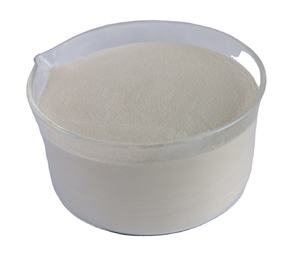
Concrete admixtures are chemical or mineral additives mixed into concrete to enhance its properties. From improving workability to speeding up curing or adding waterproofing, the right admixture transforms ordinary concrete into high-performance material. But with dozens of options—superplasticizers, retarders, air-entraining agents, fibers—it’s easy to feel overwhelmed. This guide cuts through the noise with clear, step-by-step advice.
2. Understand Common Admixture Types
Before buying, know what each admixture does. Here’s a quick breakdown of key categories:
- Water reducing admixtures (like superplasticizer in concrete) cut water content while maintaining flow, boosting strength and durability.
- Concrete accelerator and accelerating admixtures for concrete shorten setting time—ideal for cold weather or fast-track jobs.
- Concrete retarder and admixture retarder delay hardening, useful in hot climates or complex pours.
- Air entraining admixture introduces tiny air bubbles, improving freeze-thaw resistance—critical for driveways or bridges in cold regions.
- Waterproofing admixture (including crystalline waterproofing admixture and integral waterproofer) blocks moisture penetration without surface coatings.
- Fiber reinforcement (polypropylene fibres for concrete, steel fibers for concrete, etc.) reduces cracking and boosts impact resistance.
3. Step-by-Step: Selecting the Right Admixture
Start by identifying your main challenge. Is your mix too stiff? Curing too slowly? Prone to leaks? Match the problem to the solution:
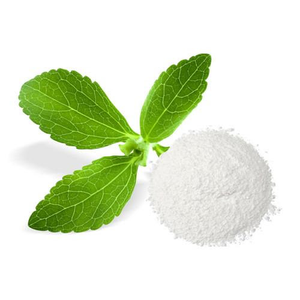
If you need better flow without extra water, choose a superplasticizer admixture—specifically polycarboxylate-based superplasticizers, which offer high-range water reduction and are the current industry standard. Look for labels like ‘PCE superplasticizer’ or ‘best superplasticizer for concrete.’
For waterproofing, opt for a concrete waterproofing additive such as a crystalline admixture or cement waterproofing additive. These react with moisture to form insoluble crystals that seal pores from within.
To prevent surface cracks in slabs or sidewalks, add reinforcement fiber for concrete—polypropylene fibre is affordable and widely available at stores like Home Depot. For heavy-duty applications, consider steel fiber reinforced concrete.
Avoid outdated or vague terms like ‘ad mixtures’—always check the technical data sheet for active ingredients like naphthalene sulfonate or melamine superplasticizer if comparing older products.
4. Mixing and Dosage Best Practices
Even the best admixture fails if misused. Follow these rules:
Always add admixtures to the mix water before introducing cement—this ensures even distribution. Never dump dry powder directly into a running mixer.
Stick to manufacturer dosage rates. Overdosing a superplasticizer can cause segregation; too much concrete accelerator may lead to flash setting.
For fiber-reinforced concrete, pre-blend fibers with aggregates to avoid clumping. Macro fibers (like those used in fibermesh concrete) need longer mixing times than microfibers.
When using a surface retarder concrete product for exposed aggregate finishes, apply evenly and cover to control evaporation.
5. Troubleshooting Common Issues
Problem: Concrete is setting too fast in summer heat. Solution: Use a concrete retarder admixture—typically based on sugars or lignosulfonates—and keep forms shaded.
Problem: Finished slab shows hairline cracks. Solution: Next time, include polypropylene fibres for concrete or coconut fiber reinforced concrete for natural crack control.
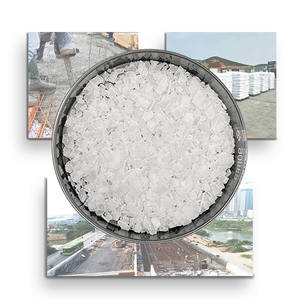
Problem: Water seeping through basement walls. Solution: Replace topical sealers with an integral waterproof admix like a crystalline waterproofing admixture—it works from the inside out.
Problem: Stamped concrete sticks to molds. Solution: Use a quality concrete release agent (powder or spray) in a contrasting color to also highlight texture.
6. Pro Tips for DIYers and Contractors
Buy from reputable brands like Chryso admixture or Certainteed for consistent performance. Check for compatibility—some super plasticizers don’t play well with certain cements.
Store liquid admixtures above freezing; powders in dry, sealed containers. Expired or contaminated admixture chemical can ruin an entire batch.
For colored stamped concrete, coordinate your release agent color with your tinted concrete powder—charcoal or terra cotta release powders enhance pattern depth.
Don’t confuse white cement with admixtures—it’s a binder, not an additive—but you can combine it with superplasticizer for bright, strong countertops.
7. Conclusion
Choosing the right admixture used in concrete isn’t guesswork—it’s about matching chemistry to your project’s needs. Whether you need a fast curing concrete additive, an air entraining agent for frost resistance, or a concrete waterproof admix for basements, the right choice delivers long-term savings and performance. With supply chains tightening on key products like PCE superplasticizers, planning ahead and understanding your options has never been more important.
Our Website founded on October 17, 2012, is a high-tech enterprise committed to the research and development, production, processing, sales and technical services of ceramic relative materials such as How. Our products includes but not limited to Boron Carbide Ceramic Products, Boron Nitride Ceramic Products, Silicon Carbide Ceramic Products, Silicon Nitride Ceramic Products, Zirconium Dioxide Ceramic Products, etc. If you are interested, please feel free to contact us.