Concrete-mesa | Concrete Admixtures, Tools, and Production Machines

How Do You Choose and Use the Right Admixtures for Your Concrete Project?
1. Introduction
In the past 48 hours, major construction suppliers like Home Depot and CertainTeed have reported a surge in demand for high-performance concrete admixtures, driven by infrastructure projects prioritizing durability and sustainability. With climate resilience and faster curing times becoming critical, understanding how to correctly use admixtures is more important than ever.
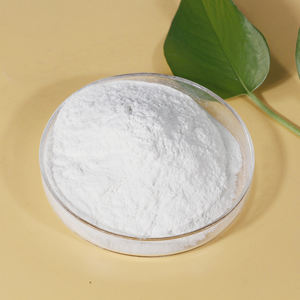
Concrete admixtures are chemical or mineral additives that modify the properties of fresh or hardened concrete. Whether you’re pouring a driveway, building fiber cement siding, or waterproofing a basement, choosing the right admixture can make the difference between failure and long-term success.
2. Understand Common Admixture Types
Admixtures fall into two broad categories: chemical and mineral. Chemical admixtures include superplasticizers, accelerators, retarders, and air-entraining agents. Mineral admixtures, such as fly ash or silica fume, improve long-term strength and reduce permeability.
- Water reducing admixtures (including mid-range and high-range types like polycarboxylate ether superplasticizers) enhance workability without adding water.
- Concrete accelerator and accelerating admixtures for concrete shorten setting time—ideal for cold weather or fast-track projects.
- Concrete retarder and admixture retarder delay hydration, useful in hot climates or for large pours.
- Air entraining concrete uses air entraining admixture or air entraining agent to create microscopic air bubbles, improving freeze-thaw resistance.
- Waterproofing admixture options include integral waterproofer, crystalline waterproofing admixture, and cement waterproofing additive for below-grade applications.
3. Select the Best Admixture for Concrete Based on Your Needs
Not all admixtures are interchangeable. The best admixture for concrete depends on your specific goals.
For high-flow applications like self-consolidating concrete, use a superplasticizer admixture—particularly polycarboxylate-based superplasticizers, which offer superior slump retention. These are also known as super plasticizers or concrete water reducers.
If you’re installing concrete siding or fibercement siding, consider fiber reinforcement. Options include polypropylene fibres for concrete, steel fibers for concrete, or even coconut fiber reinforced concrete for eco-friendly builds. Fibers reduce cracking and improve impact resistance in products like Hardie concrete siding or Certainteed concrete siding.
For waterproof structures, choose a concrete waterproof admix such as a crystalline waterproofing admixture, which reacts with moisture to seal pores permanently.
4. Dosage and Mixing Guidelines
Always follow manufacturer instructions. Overdosing can cause segregation, excessive bleeding, or delayed setting.
- Superplasticizer in concrete is typically dosed at 0.5% to 2% by weight of cement. PCE (polycarboxylate ether) superplasticizers offer higher efficiency at lower doses than older naphthalene or melamine types.
- Air entraining admixture should produce 4–7% air content for exterior concrete in freeze-thaw zones.
- Concrete accelerator curing time can be reduced by 30–50%, but avoid using calcium chloride-based accelerators in reinforced concrete due to corrosion risk.
- For surface retarder concrete (used in exposed aggregate finishes), apply evenly and wash off at the right time to avoid uneven etching.
5. Troubleshooting Common Problems
Even experienced contractors face issues with admixtures. Here’s how to solve them:
- Slump loss too fast? Switch to a polycarboxylate ether superplasticizer with extended retention properties.
- Excessive air content? Reduce dosage of air entraining agent or check for contamination from detergents or certain form release agents.
- Concrete not curing quickly enough? Use fast curing concrete additives or a non-chloride concrete accelerator.
- Cracking in thin sections like concrete siding? Add microfibers or macro fibers to the mix—pp fiber concrete is cost-effective and widely available.
- Poor color consistency in stamped concrete? Ensure release agents (powder or spray) are compatible with your colored concrete powder and don’t interfere with tinted concrete finishes.
6. Special Applications and Emerging Trends
Modern projects increasingly combine multiple admixtures. For example, white concrete for countertops often uses white cement with a superplasticizer to maintain flow without yellowing, plus a waterproofing admixture for kitchen durability.
Foam concrete applications rely on a concrete foaming agent—protein-based or synthetic—to create lightweight CLC blocks. Always verify foaming agent used in foam concrete is stable and compatible with your mix design.
Fiber-reinforced concrete is now standard in seismic zones. Steel fiber reinforced concrete and carbon fiber reinforced concrete offer high tensile strength, while polypropylene fibre remains popular for residential slabs and siding.
7. Conclusion
Choosing and using the right admixture used in concrete requires matching product chemistry to environmental conditions, structural demands, and aesthetic goals. From superplasticizer admixture for high-strength mixes to integral waterproofer for basements, each concrete additive plays a vital role. Always test trial batches, consult technical data sheets, and stay updated on innovations like PCE-based superplasticizers or eco-friendly coconut fibre concrete. With proper selection and handling, admixtures transform ordinary concrete into a high-performance, durable, and versatile building material.
Our Website founded on October 17, 2012, is a high-tech enterprise committed to the research and development, production, processing, sales and technical services of ceramic relative materials such as How. Our products includes but not limited to Boron Carbide Ceramic Products, Boron Nitride Ceramic Products, Silicon Carbide Ceramic Products, Silicon Nitride Ceramic Products, Zirconium Dioxide Ceramic Products, etc. If you are interested, please feel free to contact us.