Concrete-mesa | Concrete Admixtures, Tools, and Production Machines

Admixtures Are Revolutionizing Modern Concrete—Here’s Everything You Need to Know
1. Introduction
Just 24 hours ago, a major breakthrough was announced by researchers at MIT: a new generation of bio-based superplasticizers that reduce carbon emissions by up to 30% while improving concrete flowability. This innovation highlights how admixtures are no longer just additives—they’re essential tools shaping the future of sustainable construction. Whether you’re a contractor, engineer, or DIY enthusiast, understanding admixtures can dramatically improve your concrete outcomes.
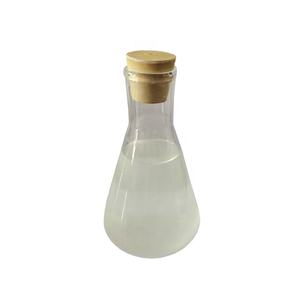
In simple terms, admixtures are materials added to concrete before or during mixing to modify its properties. Far from being optional extras, modern admixtures—ranging from plasticizers to waterproofing agents—are critical for achieving high-performance, durable, and versatile concrete mixes.
2. What Are Admixtures?
Admixtures, often referred to as concrete additives or concrete chemicals, are substances other than water, aggregates, and cement that are added to concrete to enhance its characteristics. These can be chemical or mineral in nature and are used to address specific challenges like setting time, workability, strength, or environmental resistance.
The use of admixture in concrete has evolved from basic necessity to strategic advantage. Today’s best admixture for concrete depends on the project’s unique demands—whether it’s faster curing, reduced water content, or improved freeze-thaw resistance.
3. Major Types of Concrete Admixtures
3.1 Chemical Admixtures
Chemical admixtures are liquid or powder formulations that alter the behavior of fresh or hardened concrete. Common categories include:
- Water reducing admixtures (also called concrete water reducers): Improve workability without adding extra water. Superplasticizer admixtures fall under this category and are among the most widely used today.
- Concrete accelerator: Speeds up curing time, ideal for cold-weather pours or fast-track projects.
- Concrete retarder: Delays setting time, useful in hot climates or for complex placements.
- Air entraining admixture: Introduces microscopic air bubbles to boost freeze-thaw durability—often called air entraining concrete or air entraining agent.
- Waterproofing admixture: Includes integral waterproofer and crystalline waterproofing admixture types that block moisture penetration from within the mix.
Superplasticizers—especially polycarboxylate ether (PCE)-based formulas—are considered the gold standard for high-range water reduction. Known interchangeably as super plasticizers, plasticizer for concrete, or concrete superplasticizer additive, they enable self-consolidating concrete with minimal water content.
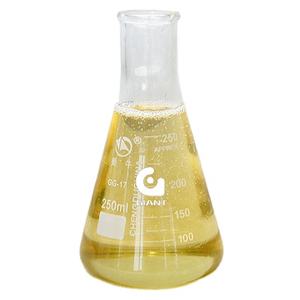
3.2 Mineral Admixtures
Mineral admixtures like fly ash, silica fume, and slag are finely ground materials that react chemically with cement. They enhance long-term strength, reduce permeability, and lower heat of hydration. Often grouped under cement admixture or mineral admixture, these eco-friendly options also cut CO₂ emissions.
4. Specialty Admixtures for Performance & Aesthetics
4.1 Fiber Reinforcement
Fibers for concrete—such as polypropylene fibres for concrete, steel fibers for concrete, or even coconut fiber reinforced concrete—add tensile strength and crack resistance. Products like fibermesh concrete or macro fibers are increasingly common in slabs, pavements, and precast elements. Fiber reinforced concrete is now standard in seismic zones and industrial floors.
While not directly related to siding, terms like concrete fiber siding or fibercement siding sometimes cause confusion. True concrete siding (e.g., Hardie or CertainTeed brands) uses fiber-cement composites, not structural concrete—but both benefit from fiberfor concrete technology in manufacturing.
4.2 Foaming Agents
For lightweight applications like CLC (Cellular Lightweight Concrete) blocks, a concrete foaming agent is essential. Protein-based or synthetic foaming agents create stable air cells, reducing density while maintaining insulation properties. Popular choices include CLC foaming agent or aircrete foaming agent, with pricing varying by region and formulation.
4.3 Color and Surface Treatments
Colored concrete relies on pigments and release agents. Stamped concrete colors—from charcoal to terra cotta—are achieved using colored concrete powder and concrete release agent sprays (like Brickform Liquid Release). Powder release agents prevent stamps from sticking while adding subtle color accents.
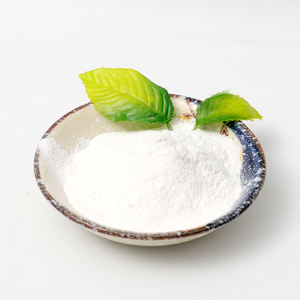
White cement is another aesthetic tool, prized for countertops, tiles, and decorative finishes. Its bright base enhances color consistency and is often paired with superplasticizer to maintain workability despite low water ratios.
5. Choosing the Right Admixture
Selecting the best admixture for concrete starts with identifying your primary need:
- Need faster turnaround? Use accelerating admixtures for concrete to shorten concrete accelerator curing time.
- Pouring in summer heat? A concrete retarder admixture or surface retarder concrete keeps the mix workable.
- Building in wet climates? Opt for a concrete waterproofing additive or cement waterproofing additive like crystalline admixtures.
- Prioritizing sustainability? Consider Chryso admixture lines or PCE-based superplasticizers, which offer high efficiency with low dosage.
Always verify compatibility between admixtures—some combinations (e.g., certain superplasticizers with air entrainers) can interfere with performance. Consult technical data sheets and consider lab trials for critical applications.
6. Conclusion
From superplasticizer in concrete to fiber reinforcement and integral waterproofing, admixtures have transformed concrete from a basic building material into a high-tech composite. As innovations like bio-based plasticizers emerge, the role of admixtures will only grow more vital. Whether you’re pouring a driveway or designing a skyscraper, understanding admixture types and their functions ensures stronger, smarter, and more sustainable results.
Our Website founded on October 17, 2012, is a high-tech enterprise committed to the research and development, production, processing, sales and technical services of ceramic relative materials such as Admixtures. Our products includes but not limited to Boron Carbide Ceramic Products, Boron Nitride Ceramic Products, Silicon Carbide Ceramic Products, Silicon Nitride Ceramic Products, Zirconium Dioxide Ceramic Products, etc. If you are interested, please feel free to contact us.