Concrete4U | Concrete Admixtures, Tools, and Production Machines

Admixtures Are Revolutionizing Modern Concrete—Here’s Everything You Need to Know
1. Introduction
Just 24 hours ago, the American Concrete Institute (ACI) released updated guidelines emphasizing the critical role of high-performance admixtures in sustainable infrastructure—highlighting innovations like polycarboxylate ether superplasticizers and crystalline waterproofing systems. This move underscores a global shift toward smarter, greener concrete solutions.
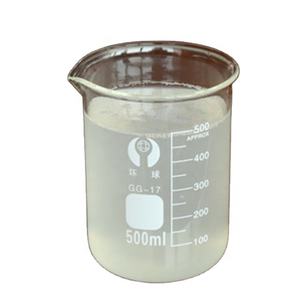
If you’ve ever wondered how modern buildings stand taller, last longer, or even mimic wood grain while being made of concrete, the secret lies in admixtures. These specialized additives—mixed into concrete during batching—transform ordinary cement into a high-performance material tailored for specific needs.
2. What Are Admixtures?
Admixtures are materials added to concrete, mortar, or grout before or during mixing to modify its properties. They can be chemical or mineral-based and are used to improve workability, strength, durability, or appearance.
The term ‘ad mixtures’ (often written as one word: admixtures) covers a wide range of concrete additives—from simple water reducers to advanced fiber reinforcements. Whether you’re pouring a driveway or constructing a skyscraper, there’s likely an admixture designed for your project.
3. Common Types of Concrete Admixture
Concrete admixture types fall into two broad categories: chemical and mineral. Chemical admixtures include superplasticizers, accelerators, retarders, and air-entraining agents. Mineral admixtures—like fly ash or silica fume—enhance long-term strength and reduce environmental impact.
- Water reducing admixtures lower the water content while maintaining workability, boosting strength and durability.
- Superplasticizer admixtures (also called high-range water reducers) dramatically increase flow without adding water—ideal for self-consolidating concrete.
- Concrete accelerator curing time is shortened with accelerating admixtures for concrete, useful in cold weather.
- Concrete retarder admixture slows setting time, perfect for hot climates or complex pours.
- Air entraining admixture introduces microscopic air bubbles, improving freeze-thaw resistance.
4. Superplasticizers: The Game-Changer in Concrete Chemistry
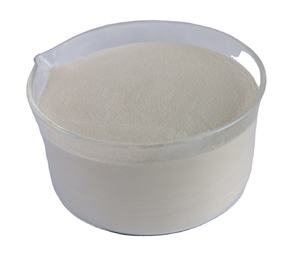
Among all concrete chemicals, superplasticizers stand out. Also known as super plasticizers or plasticizer for concrete, they enable ultra-high-strength mixes with minimal water.
Modern superplasticizer in concrete formulations often uses polycarboxylate ether (PCE), offering better slump retention and compatibility than older naphthalene or melamine-based versions. Brands like Chryso admixture lead the market with PCE-based superplasticizer products.
Whether you’re looking for the best superplasticizer for concrete or comparing superplasticizer price options at Home Depot, PCE types dominate due to their efficiency and eco-friendliness.
5. Waterproofing and Durability Enhancers
Waterproofing admixture for concrete is essential for basements, tunnels, and marine structures. Options include integral waterproofer systems and crystalline waterproofing admixture, which reacts with moisture to form insoluble crystals that block water pathways.
Cement waterproofing additive and concrete waterproof admix products provide long-term protection without surface coatings. For DIYers, waterproof admix solutions are increasingly available at hardware stores under labels like ‘concrete waterproofing additive.’
6. Fiber Reinforcement: Beyond Steel Rebar
Fiber reinforced concrete is gaining traction thanks to fibers for concrete that improve crack resistance and impact strength. Popular choices include polypropylene fibres for concrete, steel fibers for concrete, and even coconut fiber reinforced concrete for sustainable builds.
Macro fibers and microfibers serve different purposes—macro for structural toughness, micro for early-age crack control. Products like Fibermesh concrete integrate these seamlessly.
While concrete fiber siding (or fibercement siding) is commonly used on homes for its wood-like appearance and low maintenance, internal fiber reinforcement strengthens slabs, pavements, and precast elements.
7. Specialty Admixtures for Aesthetics and Function
Colored concrete and stamped concrete colors rely on pigments and release agents. Powder concrete colorants, combined with concrete release agent sprays (like Brickform liquid release), create realistic patterns—from brick to slate.
White cement, prized for countertops and decorative finishes, pairs well with tinted concrete additives. Meanwhile, foaming agents for foam concrete (including CLC foaming agent and protein-based variants) produce lightweight cellular concrete for insulation blocks.
8. Choosing the Best Admixture for Concrete
The best admixture for concrete depends on your project’s climate, design, and performance goals. Need fast curing? Use accelerating admixtures for concrete. Pouring in summer heat? A concrete retarder or surface retarder concrete keeps things manageable.
For waterproofing, compare crystalline vs. integral systems. For flow, test polycarboxylate superplasticizer vs. SNF types. Always consult technical data sheets and consider local availability—many contractors now source superplasticizer near me or concrete additives from certified suppliers.
9. Conclusion
From superplasticizer admixture to fiberfor concrete mix and air entraining agents, admixtures are the unsung heroes of modern construction. They make concrete stronger, more durable, easier to place, and even beautiful. As sustainability and performance demands grow, so will innovation in concrete admixture types—ensuring our built environment stays resilient for generations.
Our Website founded on October 17, 2012, is a high-tech enterprise committed to the research and development, production, processing, sales and technical services of ceramic relative materials such as Admixtures. Our products includes but not limited to Boron Carbide Ceramic Products, Boron Nitride Ceramic Products, Silicon Carbide Ceramic Products, Silicon Nitride Ceramic Products, Zirconium Dioxide Ceramic Products, etc. If you are interested, please feel free to contact us.