Concrete-mesa | Concrete Admixtures, Tools, and Production Machines

How Advanced Admixtures Are Revolutionizing Fiber-Reinforced Concrete for Modern Siding
1. Introduction
Just 24 hours ago, James Hardie Industries announced a major expansion of its North American fibercement siding production lines to meet surging demand for low-maintenance, fire-resistant home exteriors that mimic natural wood grain. This move highlights a growing trend: homeowners and builders are increasingly turning to concrete siding as a sustainable, long-lasting alternative to traditional materials—and advanced concrete admixtures are making it possible.
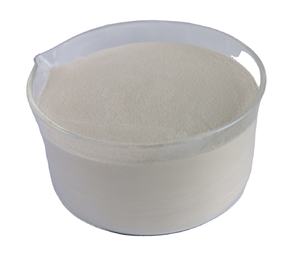
Behind every sleek panel of modern concrete siding lies a carefully engineered cocktail of chemical and mineral additives. From superplasticizers that ensure smooth extrusion to crystalline waterproofing admixtures that repel moisture for decades, these concrete chemicals are the unsung heroes of today’s high-performance building envelopes.
2. Why Admixtures Matter in Fibercement Siding
Fibercement siding—also called concrete fiber siding or cement house siding—is made from a blend of Portland cement, sand, water, and cellulose or synthetic fibers. But without the right admixture used in concrete, this composite would be too brittle, slow-curing, or vulnerable to cracking and water damage.
The best admixture for concrete in this application isn’t just one product—it’s a strategic combination tailored to balance workability, curing speed, durability, and finish quality. Let’s break down the key players.
3. Superplasticizers: The Flow Masters
Superplasticizer in concrete is essential for achieving the high fluidity needed during the manufacturing of thin, uniform siding panels. Without it, the dense mix would be impossible to mold or extrude cleanly.
Modern producers rely on polycarboxylate ether (PCE)–based superplasticizers—the most advanced type of high-range water reducer. These super plasticizers dramatically cut water content while maintaining slump, resulting in denser, stronger panels with fewer surface defects.
- PCE superplasticizer improves early strength development
- Reduces porosity, enhancing long-term durability
- Enables intricate wood-grain textures without honeycombing
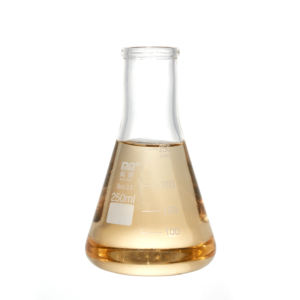
Compared to older naphthalene or melamine-based superplasticizers, PCE offers better slump retention and compatibility with other concrete additives—making it the go-to choice for premium concrete siding manufacturers.
4. Waterproofing Admixtures: Keeping Moisture Out for Decades
One of the biggest challenges with any cement-based product is water intrusion. That’s where waterproofing admixture for concrete steps in. Unlike surface sealers that wear off, integral waterproofers become part of the matrix itself.
Crystalline waterproofing admixture is especially effective. When mixed into the concrete, it reacts with moisture and unhydrated cement particles to form insoluble crystals that block capillaries and microcracks. This self-sealing action provides permanent protection—critical for siding exposed to rain, snow, and humidity.
Other popular options include cement waterproofing additive formulations based on silanes or stearates, which repel water at a molecular level. Together with air entraining admixture (more on that below), these systems create a robust defense against freeze-thaw damage and efflorescence.
5. Fiber Reinforcement + Chemical Synergy
Concrete fiber reinforcement is the backbone of fibercement siding. Whether using polypropylene fibres for concrete, steel fibers for concrete, or even coconut fiber reinforced concrete in eco-friendly variants, fibers prevent catastrophic cracking and improve impact resistance.
But fibers alone aren’t enough. They need help from admixture types like concrete accelerator and concrete retarder to control setting time during high-speed production. Fast curing concrete additives let manufacturers demold panels faster, while a surface retarder concrete can delay skin formation to allow for stamping or texturing.
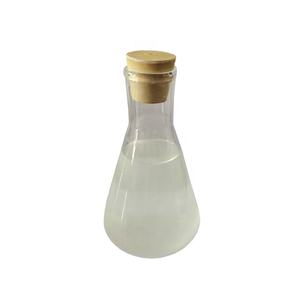
Importantly, plasticizer for concrete (or concrete plasticiser) ensures even fiber dispersion. Without proper lubrication from a plasticizer admixture, fibers clump, leading to weak spots. Water reducing admixtures also minimize bleed water, which could otherwise create voids around fibers.
6. Air Entraining: The Hidden Protector
Air entraining concrete might sound counterintuitive—you’re adding tiny air bubbles to a material meant to be solid. But in climates with freezing winters, it’s non-negotiable.
An air entraining agent creates millions of microscopic, stable air pockets that give water room to expand when it freezes. This prevents internal pressure buildup that causes spalling and delamination—common failure modes in poorly formulated siding.
When combined with waterproof admix systems, air entraining cement formulations deliver unmatched resilience. Look for admixtures labeled as air entraining concrete or air entraining admixture that meet ASTM C260 standards for reliability.
7. Real-World Impact: Cost, Aesthetics, and Performance
Thanks to these advanced concrete chemicals, modern concrete siding costs have stabilized despite material inflation. Home Depot concrete siding and premium brands like Hardie concrete siding now offer realistic wood-look finishes—charcoal, terra cotta, brown stamped concrete colors—that last 30+ years with zero painting.
Manufacturers also use colored concrete powders and release agents during molding to create authentic textures. But none of it would hold up without the foundational role of admixtures like superplasticizer admixture, integral waterproofer, and fiberfor concrete blends.
8. Conclusion
From superplasticizer in concrete to crystalline waterproofing admixture and polypropylene fibre reinforcement, today’s concrete admixture types are enabling a renaissance in architectural concrete. As demand grows for sustainable, beautiful, and durable home exteriors, the science of ad mixtures will continue to drive innovation—proving that sometimes, the most transformative technologies are hidden in plain sight.
Our Website founded on October 17, 2012, is a high-tech enterprise committed to the research and development, production, processing, sales and technical services of ceramic relative materials such as How. Our products includes but not limited to Boron Carbide Ceramic Products, Boron Nitride Ceramic Products, Silicon Carbide Ceramic Products, Silicon Nitride Ceramic Products, Zirconium Dioxide Ceramic Products, etc. If you are interested, please feel free to contact us.