Concrete4U | Concrete Admixtures, Tools, and Production Machines

How Are Advanced Admixtures Revolutionizing Fiber-Reinforced Concrete Siding for Modern Homes?
1. Introduction
Just 24 hours ago, industry leader James Hardie announced a major expansion of its fiber cement siding production lines in North America, citing surging homeowner demand for low-maintenance, fire-resistant exteriors that mimic natural wood. This move underscores a broader trend: modern concrete siding isn’t just functional—it’s engineered with precision using advanced concrete chemicals. At the heart of this innovation? A sophisticated cocktail of admixtures tailored for fiber-reinforced concrete applications.
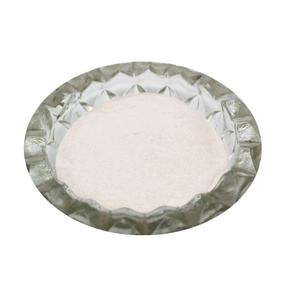
Today’s concrete fiber siding—often marketed as fibercement siding or concrete cement siding—relies heavily on carefully selected admixture types to achieve its signature blend of durability, light weight, and visual appeal. From superplasticizer in concrete to crystalline waterproofing admixture, these concrete additives transform ordinary cement into a high-performance building envelope material.
2. Why Admixtures Matter in Concrete Fiber Siding
Concrete fiber siding combines Portland cement, sand, water, and cellulose or synthetic fibers to create panels that resist rot, insects, and fire. But without the right admixture used in concrete, the mix would be too stiff to mold into intricate wood-grain textures or too porous to withstand decades of rain and UV exposure. That’s where chemical admixture for concrete becomes indispensable.
For instance, plasticizer for concrete (also called concrete plasticiser) improves flow during casting, allowing manufacturers to replicate detailed patterns like shiplap or cedar shake. Meanwhile, air entraining admixture introduces microscopic air bubbles that prevent freeze-thaw damage—a critical feature in colder climates. These aren’t afterthoughts; they’re integral to performance.
3. Key Admixture Types Powering Modern Siding
3.1 Superplasticizers for Workability and Strength
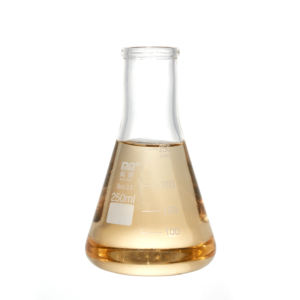
The best admixture for concrete in fiber siding production is often a polycarboxylate ether (PCE)-based superplasticizer. Unlike older naphthalene or melamine superplasticizers, PCE superplasticizer offers high-range water reduction without delaying set time. This means less water in the mix, higher early strength, and smoother surface finishes—ideal for achieving that coveted ‘concrete siding that looks like wood’ aesthetic. Superplasticizer admixture also enables thinner panel designs, reducing weight and shipping costs.
3.2 Waterproofing and Durability Enhancers
Water is the enemy of long-lasting siding. To combat moisture intrusion, manufacturers integrate waterproofing admixture for concrete such as integral waterproofer or crystalline waterproofing admixture. These cement waterproofing additives react with free lime in the concrete to form insoluble crystals that block capillary pores. The result? Concrete waterproof admix that delivers true admixture waterproofing—eliminating the need for topical sealers in many cases.
3.3 Fiber Reinforcement and Compatibility
Fibers for concrete—whether polypropylene fibres for concrete, steel fibers for concrete, or even experimental coconut fiber reinforced concrete—require compatible admixtures. A well-formulated plasticizer admixture ensures even fiber dispersion, preventing clumping. Additive for mortar and concrete additives fiber systems must also avoid interfering with fiber bonding. Macro fibers and microfibers alike benefit from mid-range water reducer formulations that maintain viscosity without segregation.
4. Accelerators, Retarders, and Curing Control
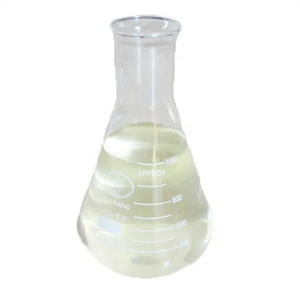
Production efficiency demands precise control over concrete accelerator curing time. Fast curing concrete additives help panels reach handling strength within hours, speeding up manufacturing cycles. Conversely, in hot climates or complex molds, a concrete retarder admixture (or surface retarder concrete for textured finishes) may be used to delay surface set and allow for stamping or brushing.
It’s a delicate balance: accelerating admixtures for concrete must not compromise long-term durability, while admixture retarder formulas shouldn’t invite cracking. Leading brands like Chryso admixture offer tailored solutions that sync with fiber-reinforced concrete mix designs.
5. Aesthetic Finishes and Release Agents
Beyond performance, appearance drives consumer choice. Colored concrete powder and tinted concrete allow for charcoal, terra cotta, or white concrete siding straight from the mold—no painting required. To achieve crisp stamped concrete colors and patterns, manufacturers use concrete release agent sprays (often water-based release agents) that prevent sticking while adding subtle antiquing effects.
For DIY installers sourcing materials at Home Depot or from Certainteed and Hardie concrete siding lines, understanding how release powder or spray release agent interacts with the underlying admixture chemistry ensures flawless results. Even concrete stain powder can be integrated during batching for uniform color.
6. Conclusion
The evolution of concrete fiber siding—from utilitarian panels to premium architectural cladding—hinges on smart admixture selection. Whether it’s superplasticizer for enhanced flow, air entraining agent for climate resilience, or crystalline waterproofing admixture for longevity, these concrete chemicals turn cement into a versatile, beautiful, and sustainable building material. As demand grows for modern concrete siding that marries form and function, expect even more innovation in admixture types—proving that sometimes, the smallest ingredients make the biggest difference.
Our Website founded on October 17, 2012, is a high-tech enterprise committed to the research and development, production, processing, sales and technical services of ceramic relative materials such as How. Our products includes but not limited to Boron Carbide Ceramic Products, Boron Nitride Ceramic Products, Silicon Carbide Ceramic Products, Silicon Nitride Ceramic Products, Zirconium Dioxide Ceramic Products, etc. If you are interested, please feel free to contact us.