Concrete4U | Concrete Admixtures, Tools, and Production Machines

How to Choose and Use the Best Concrete Admixtures for Every Project
1. Introduction
Just 24 hours ago, a major construction materials supplier announced a global shortage of polycarboxylate ether (PCE)-based superplasticizers due to supply chain disruptions in Southeast Asia. This has sent contractors scrambling to understand alternatives and proper usage of available concrete admixtures. If you’ve ever wondered why your concrete isn’t setting right, cracking too soon, or lacking finish quality—this guide is for you.
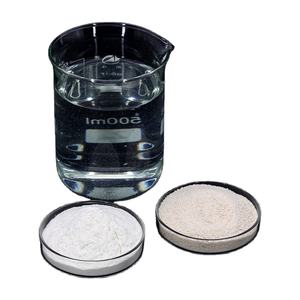
Concrete admixtures are essential tools in modern construction. They’re not just ‘additives’—they’re precision-engineered chemicals that transform how concrete behaves during mixing, pouring, curing, and long-term performance. In this step-by-step guide, we’ll show you how to choose and use the best admixture for concrete based on your specific needs.
2. Understanding Admixture Types
Before diving into application, it’s crucial to know what’s out there. Admixtures fall into two broad categories: chemical and mineral. Chemical admixtures include superplasticizers, accelerators, retarders, and air-entraining agents. Mineral admixtures—like fly ash or silica fume—enhance long-term strength and reduce permeability.
- Water reducing admixtures (including mid-range and high-range) improve workability without adding extra water.
- Superplasticizer admixture (often PCE-based) delivers extreme fluidity—ideal for self-consolidating concrete.
- Concrete accelerator speeds up curing time, especially useful in cold weather.
- Concrete retarder delays setting—perfect for hot climates or complex pours.
- Air entraining admixture introduces microscopic air bubbles to boost freeze-thaw resistance.
- Waterproofing admixture (like crystalline or integral waterproofer) blocks moisture penetration.
- Fiber reinforcement (polypropylene, steel, or coconut fiber) reduces cracking and boosts impact resistance.
3. Step-by-Step Guide to Selecting the Right Admixture
3.1 Identify Your Concrete Challenge
Ask yourself: What’s the main issue? Is it poor flow? Early cracking? Water leakage? Slow curing? For example, if you need fast curing concrete additives for a sidewalk repair, choose an accelerating admixtures for concrete. If you’re pouring a basement wall, a concrete waterproofing additive like a crystalline waterproofing admixture is essential.
3.2 Match the Admixture to Environmental Conditions
Hot weather? Use a concrete retarder admixture or surface retarder concrete to prevent flash setting. Cold weather? Go for a concrete accelerator to maintain curing speed. In freeze-prone regions, always include an air entraining agent—air entraining concrete resists scaling and spalling far better.
3.3 Consider Aesthetic and Structural Needs
For decorative stamped concrete, use a compatible concrete release agent with color powder—but avoid oil-based form release agents that can interfere with stains. For structural integrity, add fibers for concrete mix like polypropylene fibres for concrete or steel fibers for concrete to create fiber reinforced concrete.
4. How to Properly Mix and Apply Admixtures
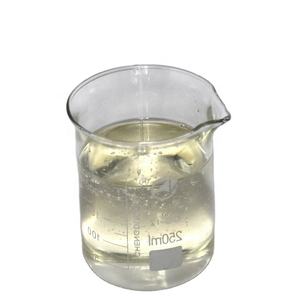
Never guess dosages. Always follow manufacturer specs—typically 0.1% to 2% by weight of cement. Overdosing a superplasticizer can cause segregation; underdosing a waterproof admix may leave your structure vulnerable.
Add admixtures at the right stage: Most liquid chemical admixture for concrete (like superplasticizer in concrete or concrete water reducer) should be added after initial water-cement mixing. Dry additives like powdered plasticizer for concrete or cement waterproofing additive can be blended with dry materials first.
Mix thoroughly for at least 2–3 minutes after addition. Inconsistent blending leads to patchy performance—especially with fiberfor concrete or macro fibers.
5. Common Problems and Quick Fixes
5.1 Concrete Too Stiff or Dry
Solution: Add a water reducer or superplasticizer admixture. Note: Never add extra water—it weakens the final product. A high range water reducer like PCE superplasticizer restores flow without compromising strength.
5.2 Concrete Setting Too Fast or Too Slow
Solution: Adjust with a concrete accelerator or admixture retarder. For summer pours, melamine-based superplasticizer often includes built-in retarding properties.
5.3 Cracking or Spalling After Curing
Solution: Incorporate reinforcement fiber for concrete next time. Polypropylene fibre or steel fiber reinforced concrete dramatically reduces plastic shrinkage cracks.
5.4 Water Seepage Through Walls or Slabs
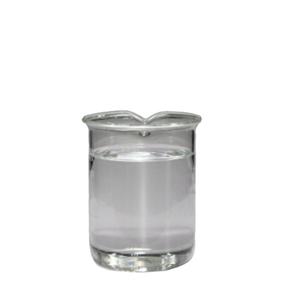
Solution: Switch to a true waterproofing admixture for concrete—not just a surface sealer. Crystalline waterproofing admixture reacts with moisture to form insoluble crystals that block pores permanently.
6. Pro Tips for DIYers and Contractors
– Store admixtures in cool, dry places. Heat degrades polycarboxylate ether superplasticizer.
– Test small batches first. A trial mix with your chosen plasticizer admixture or additive for mortar prevents costly mistakes.
– Don’t mix incompatible admixtures. For example, some air entraining cement formulas clash with certain super plasticizers.
– Brands like Chryso admixture offer pre-formulated blends for specific applications—great for beginners.
– For home projects like concrete siding or fibercement siding, look for fiber reinforced polymer concrete mixes that include pp fiber concrete for durability and lower concrete siding cost over time.
7. Conclusion
Choosing the right admixture used in concrete isn’t guesswork—it’s science you can apply confidently. Whether you need a superplasticizer for high-strength columns, an integral waterproofer for basements, or polypropylene fibres for crack-resistant driveways, understanding concrete admixture types puts you in control. With today’s supply challenges, knowing how to substitute or optimize usage is more valuable than ever. So mix smart, build strong, and let your concrete perform exactly as intended.
Our Website founded on October 17, 2012, is a high-tech enterprise committed to the research and development, production, processing, sales and technical services of ceramic relative materials such as How. Our products includes but not limited to Boron Carbide Ceramic Products, Boron Nitride Ceramic Products, Silicon Carbide Ceramic Products, Silicon Nitride Ceramic Products, Zirconium Dioxide Ceramic Products, etc. If you are interested, please feel free to contact us.