Concrete4U | Concrete Admixtures, Tools, and Production Machines

How Do You Choose and Use the Right Concrete Admixtures for Your Project?
1. Introduction
Ever poured concrete only to find it too stiff, too slow to set, or cracking after a week? You’re not alone. The secret to high-performance concrete often lies in what you add—not just cement, sand, and water, but the right concrete admixtures. These concrete chemicals can transform your mix’s strength, workability, setting time, and durability. But with so many options—superplasticizers, accelerators, waterproofers, fibers—it’s easy to feel overwhelmed. This guide cuts through the confusion with clear, actionable steps to choose and use the best admixture for concrete in any scenario.
2. Understanding Admixture Types
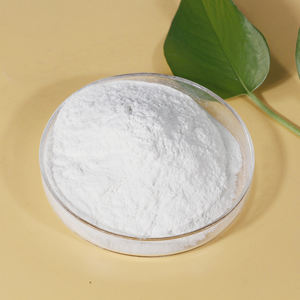
Concrete admixture types fall into two broad categories: chemical and mineral. Chemical admixtures (like superplasticizers and retarders) are added in small doses to alter fresh or hardened concrete properties. Mineral admixtures (like fly ash or silica fume) replace part of the cement and improve long-term performance. For most DIYers and contractors, chemical admixtures are the go-to solution for immediate results.
2.1 Common Chemical Admixtures and Their Uses
- Superplasticizer (also called high-range water reducer): Boosts flow without adding water. Ideal for pumped concrete or complex forms.
- Concrete accelerator: Speeds up early strength gain—great for cold weather or fast-track projects.
- Concrete retarder: Slows setting time in hot climates or for large pours.
- Air entraining admixture: Creates microscopic air bubbles to resist freeze-thaw damage.
- Integral waterproofer / waterproofing admixture: Makes concrete inherently water-resistant—perfect for basements or tanks.
- Fiber reinforcement: Adds polypropylene, steel, or synthetic fibers to control cracking and boost toughness.
3. Step-by-Step Guide to Selecting the Right Admixture
3.1 Identify Your Concrete Challenge
Ask yourself: What’s the main issue? Is your mix too dry? Setting too fast? Prone to cracking? Need waterproofing? Match your problem to an admixture function. For example, if you need better flow without weakening the mix, a superplasticizer in concrete is your answer. If you’re pouring in summer heat, a concrete retarder admixture will buy you extra working time.
3.2 Choose the Best Admixture for Concrete Based on Performance Needs
Not all plasticizers are equal. Polycarboxylate ether (PCE)-based superplasticizers offer superior slump retention compared to older naphthalene or melamine types. For waterproofing, crystalline waterproofing admixtures penetrate deep into the matrix, while integral waterproofers like cement waterproofing additives form a hydrophobic barrier. When reinforcing, macro fibers (steel or synthetic) handle structural loads, while microfibers (like polypropylene fibres for concrete) reduce plastic shrinkage cracks.
3.3 Check Compatibility and Dosage
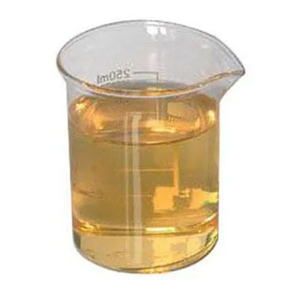
Always consult the manufacturer’s data sheet. Overdosing a superplasticizer can cause segregation; under-dosing a concrete accelerator may not shorten curing time enough. Typical dosages range from 0.1% to 2% by weight of cement. Never guess—use a scale. Also, test compatibility: some admixtures (e.g., certain air entraining agents) can interact poorly with others.
4. How to Properly Mix and Apply Admixtures
4.1 Mixing Order Matters
Add water-reducing admixtures like superplasticizer admixture after initial mixing (30–60 seconds in). This prevents rapid slump loss. Air entraining concrete requires thorough but not excessive mixing—too much agitation collapses the air bubbles. Fibers should be added early to ensure even dispersion; consider using fibermesh concrete techniques for uniform distribution.
4.2 Avoid Common Mistakes
- Don’t substitute dish soap for air entraining admixture—it creates unstable foam.
- Never add extra water to compensate for stiffness instead of using a water reducer.
- Don’t assume ‘more is better’—excess accelerating admixtures for concrete can cause flash set or reduce long-term strength.
5. Specialized Solutions for Common Projects
5.1 Waterproofing Basements or Water Tanks
Use a crystalline waterproofing admixture or concrete waterproof admix that reacts with moisture to form insoluble crystals, blocking capillaries. Combine with an integral waterproofer for dual protection. These waterproof admix products eliminate the need for external membranes in many cases.
5.2 Fast-Track Repairs or Cold-Weather Pours
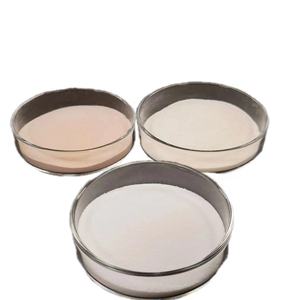
Opt for fast curing concrete additives like calcium chloride-based concrete accelerator (avoid in reinforced concrete due to corrosion risk) or non-chloride alternatives. These reduce concrete accelerator curing time significantly, allowing forms to be stripped sooner.
5.3 Decorative or Colored Concrete
When using colored concrete or stamped concrete colors, pair with a compatible concrete release agent (powder or spray) to prevent staining. Some plasticizer for concrete formulations may affect pigment dispersion—test first. White cement mixes often require special superplasticizers to maintain brightness.
5.4 Fiber-Reinforced Applications
For concrete siding, countertops, or slabs, fiber reinforced concrete adds impact resistance. Hardie concrete siding and other fibercement siding products rely on cellulose or synthetic fibers. At home, pp fiber concrete (polypropylene) is affordable and effective for driveways or patios. Steel fibers for concrete suit industrial floors needing heavy load resistance.
6. Where to Buy and Trusted Brands
Major brands like Chryso admixture, Sika, and BASF offer reliable concrete additives. Home Depot carries basic super plasticizers, concrete accelerators, and fiberfor concrete mixes. For specialty needs—like CLC foaming agent for lightweight blocks or protein based foaming agent for aircrete—check industrial suppliers. Always verify product specs match your project’s requirements.
7. Conclusion
Choosing the right admixture used in concrete isn’t about using the most—it’s about using the right one at the right dose. Whether you need a superplasticizer to increase workability, an air entraining agent for freeze resistance, or a waterproofing admixture for concrete tanks, understanding your goal is half the battle. Follow these steps, respect dosage guidelines, and test small batches first. With the correct concrete admixture types in your toolkit, you’ll pour stronger, more durable, and problem-free concrete every time.
Our Website founded on October 17, 2012, is a high-tech enterprise committed to the research and development, production, processing, sales and technical services of ceramic relative materials such as How. Our products includes but not limited to Boron Carbide Ceramic Products, Boron Nitride Ceramic Products, Silicon Carbide Ceramic Products, Silicon Nitride Ceramic Products, Zirconium Dioxide Ceramic Products, etc. If you are interested, please feel free to contact us.