Concrete4U | Concrete Admixtures, Tools, and Production Machines

7 Critical Types of Concrete Admixtures Every Engineer Must Understand in 2024
1. Introduction
In a major industry development reported just 48 hours ago, global construction giant LafargeHolcim announced a strategic partnership with Chryso to deploy next-generation polycarboxylate ether (PCE)-based superplasticizers across its European ready-mix operations—signaling a definitive shift away from older naphthalene-based systems. This move underscores the accelerating demand for high-performance, sustainable concrete admixtures that enhance workability without compromising strength or durability.
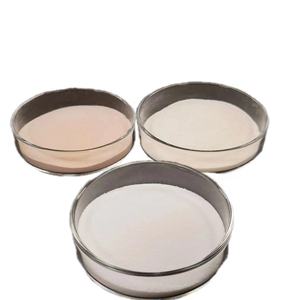
Concrete admixtures—chemical or mineral additives introduced during mixing—have evolved from optional enhancements to indispensable components in modern concrete technology. With over 200 distinct formulations available, selecting the right admixture types can dramatically influence setting time, strength gain, water resistance, and long-term resilience. This article analyzes seven critical categories of admixtures used in concrete today, offering a comparative evaluation of their mechanisms, benefits, and ideal use cases.
2. Superplasticizers: The Workability Revolution
Superplasticizers, also known as high-range water reducers, are among the most transformative concrete chemicals in contemporary practice. They enable significant water reduction (15–40%) while maintaining or improving slump, facilitating the production of high-strength, self-consolidating concrete.
2.1. Polycarboxylate Ether (PCE) vs. Naphthalene-Based Systems
Polycarboxylate ether superplasticizers represent the current gold standard. Their comb-shaped molecular structure provides steric hindrance, preventing cement particle flocculation more effectively than electrostatic repulsion used by older sulfonated polymers. PCE-based superplasticizers offer superior slump retention, lower dosage requirements (typically 0.1–0.3% by cement weight), and compatibility with supplementary cementitious materials like fly ash and slag.
In contrast, naphthalene-based superplasticizers—though cost-effective—are prone to rapid slump loss and exhibit poor performance in low-water-cement-ratio mixes. They also generate higher levels of formaldehyde during production, raising environmental concerns. While still used in some regions, they are increasingly being phased out in favor of PCE systems, especially in green building projects.
- Best superplasticizer for concrete: PCE-based formulations for high-performance applications
- Concrete water reducer alternatives: Melamine sulfonate offers moderate water reduction but limited slump retention
3. Water-Reducing and Retarding Admixtures
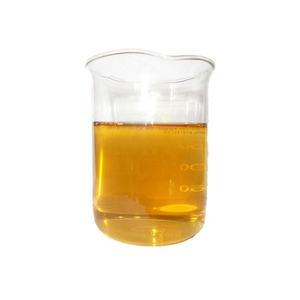
Beyond superplasticizers, mid-range water reducing admixtures and concrete retarder admixtures serve crucial roles in hot-weather concreting or long-haul deliveries. These admixture retarders delay hydration by adsorbing onto cement particles, extending workability without significantly affecting final strength.
Commonly used admixture retarders include lignosulfonates and hydroxycarboxylic acids. When combined with water-reducing properties, they form versatile dual-function additives ideal for large pours where extended placement windows are necessary. However, overdosing can lead to excessive delays in concrete accelerator curing time, requiring careful calibration.
4. Accelerating Admixtures for Fast Curing
Accelerating admixtures for concrete counteract cold-weather challenges by speeding up early hydration. Calcium chloride was historically dominant but is now restricted in reinforced concrete due to corrosion risks. Modern non-chloride accelerators—often based on nitrate or thiocyanate salts—offer safe alternatives that reduce initial set time by 30–70%.
These fast curing concrete additives are essential for precast operations, emergency repairs, and winter concreting. However, they may increase shrinkage and reduce long-term strength if not properly dosed.
5. Air-Entraining and Waterproofing Solutions
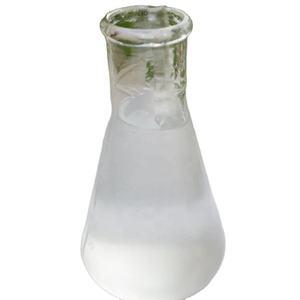
Air entraining concrete incorporates microscopic air bubbles via air entraining agents like vinsol resin or synthetic surfactants. These bubbles improve freeze-thaw resistance by providing pressure relief during ice formation—a critical feature in northern climates.
Simultaneously, waterproofing admixture technologies have advanced significantly. Integral waterproofers—including crystalline waterproofing admixture systems—react with cement hydration byproducts to form insoluble crystals that block capillary pores. Unlike surface-applied membranes, these concrete waterproofing additives provide permanent, self-healing protection throughout the matrix.
- Key products: Crystalline waterproofing admixture, cement waterproofing additive, and integral waterproofer
- Avoid confusion: Waterproof admix ≠ surface sealers; it works from within the concrete
6. Fiber Reinforcement: Beyond Steel
Fiber reinforced concrete has moved far beyond traditional steel fibers. Today’s market includes polypropylene fibres for concrete, macro fibers for crack control, and even carbon fiber reinforcement in concrete for ultra-high-performance applications.
Polypropylene fibre (PP fiber concrete) mitigates plastic shrinkage cracking and improves impact resistance, making it ideal for slabs and pavements. Steel fiber reinforced concrete enhances post-crack ductility in industrial floors and tunnel linings. Meanwhile, emerging bio-based options like coconut fiber reinforced concrete offer sustainable alternatives, though with lower tensile performance.
Notably, fiberfor concrete mix designs must account for dispersion, pumpability, and compatibility with other admixtures. Fibermesh concrete systems often integrate fibers directly at batching plants to ensure uniform distribution.
7. Specialty Additives: Foaming Agents and Release Systems
Foaming agents for foam concrete—such as protein-based or synthetic surfactants—enable the production of lightweight cellular concrete (aircrete) with densities as low as 300 kg/m³. CLC foaming agents are critical in affordable housing blocks and insulation panels.
On the finishing side, concrete release agents—powder or spray—are indispensable for stamped concrete. These anti-stick compounds prevent form adhesion while allowing intricate patterns and colors (e.g., charcoal, terra cotta, or wood-look finishes) to transfer cleanly. Water-based release agents are gaining popularity due to lower VOC emissions.
8. Conclusion
The landscape of concrete admixtures is rapidly evolving, driven by sustainability mandates, performance demands, and digital batching precision. From PCE superplasticizers replacing legacy naphthalene systems to crystalline waterproofing and advanced fiber reinforcements, the best admixture for concrete depends on project-specific requirements. Engineers and contractors must stay informed about admixture chemical interactions, compatibility, and emerging innovations like those championed by Chryso and other leading manufacturers to optimize concrete performance, durability, and lifecycle value.
Our Website founded on October 17, 2012, is a high-tech enterprise committed to the research and development, production, processing, sales and technical services of ceramic relative materials such as 7. Our products includes but not limited to Boron Carbide Ceramic Products, Boron Nitride Ceramic Products, Silicon Carbide Ceramic Products, Silicon Nitride Ceramic Products, Zirconium Dioxide Ceramic Products, etc. If you are interested, please feel free to contact us.