Concrete-mesa | Concrete Admixtures, Tools, and Production Machines

Unlock the Power of Admixtures in Fiber-Reinforced Concrete for Modern Siding
1. Introduction
Just 24 hours ago, James Hardie Industries announced a major expansion of its North American production lines to meet surging demand for fiber cement siding—a market projected to exceed $12 billion by 2027. This boom isn’t just about style; it’s driven by performance. Behind every sleek panel of concrete fiber siding lies a sophisticated cocktail of concrete chemicals engineered to deliver strength, weather resistance, and workability. At the heart of this innovation? Admixtures.
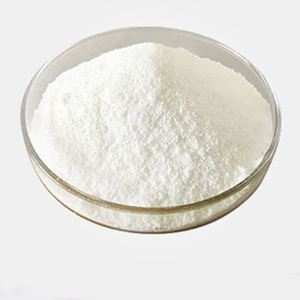
From superplasticizers that enable ultra-smooth finishes to crystalline waterproofing admixtures that fend off decades of rain, these additives transform ordinary cement into high-performance building envelopes. In this article, we’ll dive into how specific admixture types are tailored for fiber-reinforced concrete used in residential and commercial siding applications.
2. Why Fiber-Reinforced Concrete Needs Specialized Admixtures
Fiber-reinforced concrete (FRC)—whether using polypropylene fibres, steel fibers, or even coconut fiber reinforcement—is denser and more complex than standard mixes. Adding reinforcement fibers improves tensile strength and crack resistance but also increases viscosity, making placement and finishing harder. That’s where admixtures step in.
Without the right concrete admixture, FRC can suffer from poor flow, extended curing times, or surface defects. The best admixture for concrete in siding applications balances workability, durability, and aesthetics—especially when mimicking natural materials like wood.
- Superplasticizers improve flow without extra water, crucial for thin panels
- Air entraining admixtures boost freeze-thaw resistance in cold climates
- Waterproofing admixtures prevent moisture penetration behind siding
3. Key Admixture Types Powering Modern Concrete Siding
3.1 Superplasticizers: The Flow Masters
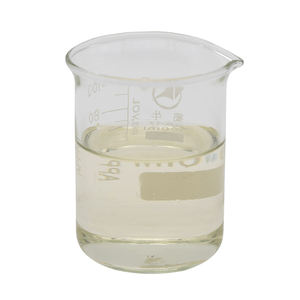
Superplasticizer admixtures—particularly polycarboxylate ether (PCE)-based types—are essential in fiber-reinforced concrete mixes. These high-range water reducers dramatically lower water content while maintaining fluidity, enabling manufacturers to produce smooth, consistent panels with minimal voids. Unlike older naphthalene or melamine-based superplasticizers, PCE superplasticizers offer better slump retention and compatibility with diverse fibers like pp fiber concrete or macro fibers.
In precast facilities producing Hardie-style concrete siding, superplasticizer in concrete ensures uniform texture across thousands of panels—critical for achieving that coveted ‘wood look’ finish without costly post-processing.
3.2 Waterproofing and Integral Protection
Concrete siding faces constant exposure to rain, humidity, and temperature swings. Standard sealants wear off, but integral solutions like crystalline waterproofing admixture or cement waterproofing additive provide lifelong protection from within. These concrete waterproof admix products react with free lime in cement to form insoluble crystals that block capillary pores.
Brands like Chryso admixture offer specialized waterproofing admixture for concrete that meets ASTM standards for exterior cladding. When combined with air entraining agents, they create a dual-defense system: air entraining concrete resists spalling, while admixture waterproofing stops internal moisture migration.
3.3 Accelerators and Retarders: Timing Is Everything
Precast siding plants run on tight schedules. Fast curing concrete additives—such as concrete accelerator curing time reducers—allow demolding in under 6 hours, boosting throughput. Conversely, in hot climates or during transport, a concrete retarder admixture prevents premature setting.
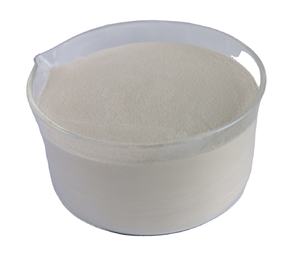
Surface retarder concrete is sometimes used for textured finishes, delaying the set of the top layer so aggregates or wood-grain patterns can be exposed. This technique, paired with colored concrete powders, creates realistic stamped and colored concrete effects—even on vertical siding panels.
4. Real-World Performance: From Lab to Home Depot Shelves
Leading concrete siding manufacturers—including CertainTeed and James Hardie—rely on precisely dosed admixture chemical blends. Their fiber cement siding combines cellulose or synthetic fibers with cement, sand, and a tailored mix of concrete additives fiber, superplasticizer, and integral waterproofer.
Homeowners benefit from lower maintenance, fire resistance, and longevity—often exceeding 50 years. And thanks to advances in tinted concrete and release agents (like powder release agent for concrete), these panels now convincingly replicate cedar, redwood, or even brick—without the rot or termites.
The concrete siding cost may be higher upfront than vinyl, but lifecycle savings and curb appeal make it a smart investment. Plus, with DIY-friendly options increasingly available at retailers like Home Depot, adoption is accelerating nationwide.
5. Conclusion
Admixtures aren’t just ‘additives’—they’re enablers of architectural possibility. In the niche but booming world of concrete fiber siding, the right blend of superplasticizer, air entraining admixture, waterproofing admixture, and accelerator turns a simple cement mix into a resilient, beautiful building skin. As demand grows for sustainable, low-maintenance exteriors, expect even smarter admixture formulations—perhaps even bio-based foaming agents or self-healing polymers—to shape the next generation of concrete siding.
Our Website founded on October 17, 2012, is a high-tech enterprise committed to the research and development, production, processing, sales and technical services of ceramic relative materials such as Unlock. Our products includes but not limited to Boron Carbide Ceramic Products, Boron Nitride Ceramic Products, Silicon Carbide Ceramic Products, Silicon Nitride Ceramic Products, Zirconium Dioxide Ceramic Products, etc. If you are interested, please feel free to contact us.