Concrete4U | Concrete Admixtures, Tools, and Production Machines

Master the Essentials of Concrete Admixtures for Stronger, Smarter Builds
1. Introduction
In the past 48 hours, global construction leaders at the World Concrete Summit highlighted a surge in demand for high-performance concrete admixtures—especially polycarboxylate ether (PCE)-based superplasticizers and crystalline waterproofing systems—as infrastructure projects prioritize sustainability and resilience. This shift underscores how essential admixtures have become in modern building practices.
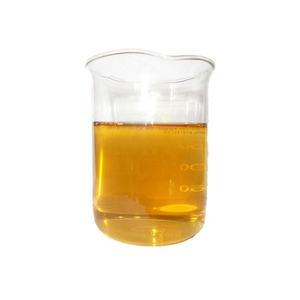
If you’ve ever wondered how today’s concrete achieves ultra-high strength, rapid curing, or even mimics wood grain on siding, the secret lies in carefully engineered concrete additives. Known collectively as admixtures, these ingredients transform ordinary cement into smart, adaptable building material tailored for specific needs.
2. What Are Admixtures?
Admixtures are materials added to concrete before or during mixing to modify its properties. They can improve workability, accelerate or delay setting time, enhance durability, reduce water content, or add aesthetic value. Whether you’re pouring a driveway, constructing a skyscraper, or installing fiber cement siding, there’s likely an admixture used in concrete to optimize the outcome.
Modern concrete simply wouldn’t meet today’s engineering standards without chemical admixture for concrete formulations. From backyard DIYers using home depot concrete siding kits to mega-projects specifying chryso admixture solutions, these additives are everywhere.
3. Major Types of Concrete Admixtures
Concrete admixture types fall into two broad categories: chemical and mineral. Chemical admixtures include liquids or powders that react with cement, while mineral admixtures are finely ground solids like fly ash or silica fume that enhance long-term strength and reduce permeability.
- Water reducing admixtures (including mid-range and high-range water reducers) cut water content while maintaining slump, boosting strength and durability.
- Superplasticizer admixtures—often based on polycarboxylate ether (PCE)—are the most effective water reducers, enabling self-consolidating concrete with minimal vibration.
- Concrete accelerator and accelerating admixtures for concrete shorten curing time, ideal for cold-weather pours or fast-track repairs.
- Concrete retarder and admixture retarder options delay setting, useful in hot climates or complex placements.
- Air entraining admixture introduces microscopic air bubbles, improving freeze-thaw resistance—critical for roads and bridges in northern regions.
- Waterproofing admixture systems, including integral waterproofer and crystalline waterproofing admixture, block moisture penetration from within the matrix.
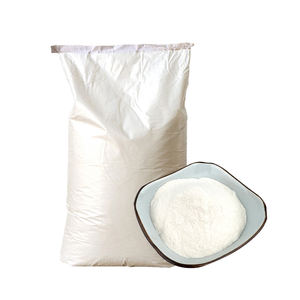
4. Superplasticizers: The Game-Changer in Modern Concrete
Superplasticizer in concrete has revolutionized mix design. Also called super plasticizers or concrete water reducer additives, these high-range dispersants allow up to 40% less water without sacrificing flow. The result? Higher compressive strength, lower permeability, and smoother finishes.
Polycarboxylate ether (PCE) superplasticizers dominate the market due to their efficiency, compatibility with diverse cements, and low dosage requirements. Alternatives include naphthalene-based and melamine sulfonate superplasticizers, though PCE remains the best superplasticizer for concrete in most advanced applications.
Contractors often search for ‘superplasticizer near me’ or ‘superplasticizer home depot’ when tackling high-strength slabs or architectural elements requiring fine detail—like stamped concrete with intricate patterns.
5. Waterproofing and Durability Enhancers
Waterproof admix solutions protect structures from moisture damage. A concrete waterproofing additive might be a hydrophobic compound, a pore-blocking crystalline system, or even a cement waterproofing additive blended directly into the mix.
Admixture waterproofing is especially vital for basements, tunnels, and water tanks. Unlike surface coatings that wear off, integral systems provide lifelong protection—making them a top choice for engineers specifying the best admixture for concrete in wet environments.
6. Fiber Reinforcement: Beyond Traditional Rebar
Fibers for concrete—ranging from polypropylene fibres for concrete to steel fibers for concrete and even coconut fiber reinforced concrete—add tensile strength, crack control, and impact resistance. Fiber reinforced concrete is now standard in industrial floors, shotcrete, and even decorative concrete siding.
Homeowners choosing hardie concrete siding or certainteed concrete siding benefit from fiberfor concrete mixes that mimic wood grain while resisting rot and insects. Modern concrete siding that looks like wood often uses macro fibers and microfibers to prevent warping and cracking.
Steel fiber reinforced concrete and carbon fiber reinforcement in concrete push performance further, enabling thinner sections and seismic resilience. Fibermesh concrete systems simplify placement by eliminating secondary rebar mats.
7. Specialty Additives for Aesthetics and Efficiency
Beyond performance, admixtures enable creativity. Colored concrete, achieved with tinted concrete powder or concrete stain powder, pairs beautifully with stamped concrete colors and patterns—from charcoal stamped concrete to terra cotta concrete color.
Foaming agents for foam concrete (like CLC foaming agent or protein-based foaming agent) create lightweight blocks and insulating fills. Meanwhile, release agents—spray release, powder release agent, or form release oil—ensure clean demolding for patterned surfaces.
White cement, prized for countertops and facades, often includes superplasticizer to maintain fluidity without graying the mix. Its use in white concrete mix for countertops shows how admixtures support both function and design.
8. Conclusion
From superplasticizer admixture to air entraining agent and concrete fiber reinforcement, admixtures empower builders to meet exacting demands for strength, speed, beauty, and longevity. As new formulations like PCE-based systems and bio-enhanced fibers emerge, the future of concrete grows smarter—and more sustainable—by the batch.
Our Website founded on October 17, 2012, is a high-tech enterprise committed to the research and development, production, processing, sales and technical services of ceramic relative materials such as Master. Our products includes but not limited to Boron Carbide Ceramic Products, Boron Nitride Ceramic Products, Silicon Carbide Ceramic Products, Silicon Nitride Ceramic Products, Zirconium Dioxide Ceramic Products, etc. If you are interested, please feel free to contact us.