Concrete-mesa | Concrete Admixtures, Tools, and Production Machines

7 Niche Applications of Concrete Admixtures That Are Revolutionizing Modern Construction
1. Introduction
Just 24 hours ago, a major breakthrough was announced by researchers at MIT: they’ve developed a new coconut fiber-reinforced concrete mix that cuts carbon emissions by 40% while maintaining structural integrity. This innovation underscores a growing trend—using highly specialized admixtures for niche applications far beyond traditional concrete work.
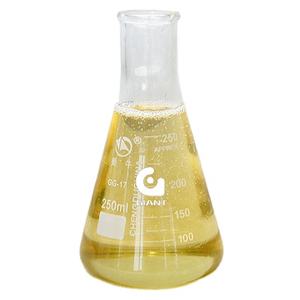
Gone are the days when admixtures were just about making concrete easier to pour. Today, concrete admixture types are engineered for ultra-specific purposes—from mimicking wood grain on home exteriors to enabling underwater tunnel construction. Let’s dive into seven niche but game-changing uses of modern concrete chemicals.
2. Fiber-Reinforced Concrete Siding That Looks Like Wood
Homeowners increasingly want durable, low-maintenance exteriors that still offer natural aesthetics. Enter fiber reinforced concrete siding—often sold under brands like Hardie or CertainTeed—that uses polypropylene fibres for concrete or even coconut fiber concrete formulations.
These systems rely on reinforcement fiber for concrete to prevent cracking, while surface retarder concrete techniques allow stamping realistic wood textures. Add a tinted concrete powder or charcoal concrete color, and you’ve got cement siding that looks like wood—without the rot or upkeep.
- Uses pp fiber concrete or macro fibers for crack control
- Combines with colored concrete powders for visual realism
- Requires precise plasticizer admixture dosing for workability during molding
3. Crystalline Waterproofing Admixtures for Basements and Tunnels
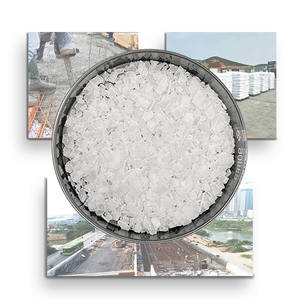
Forget external membranes. The best admixture for concrete in wet environments is now crystalline waterproofing admixture. When added to the mix, these concrete waterproofing additives react with water and unhydrated cement particles to form insoluble crystals that block capillaries.
This integral waterproofer is especially vital in subway tunnels, underground parking, and waterfront structures. Unlike topical sealers, it self-heals micro-cracks over time—making waterproof admix truly ‘built-in’ protection.
4. Superplasticizers in 3D-Printed Concrete
3D concrete printing demands extreme flow without segregation—and zero slump loss over time. That’s where polycarboxylate ether (PCE) superplasticizers shine. These high-range water reducer admixtures allow ultra-low water-cement ratios while keeping the mix pumpable for hours.
Superplasticizer in concrete enables layer-by-layer deposition without formwork. Without this concrete water reducer, printed walls would collapse under their own weight. PCE-based superplasticizers are now the gold standard in additive manufacturing for buildings.
5. Foamed Concrete with Protein-Based Foaming Agents
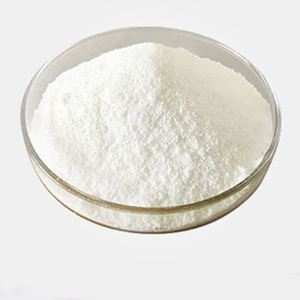
Lightweight, insulating, and fire-resistant—foam concrete is surging in precast wall panels and roof fills. But it only works with the right foaming agent used in concrete. Protein-based foaming agents create stable, closed-cell bubbles that don’t collapse during curing.
Unlike synthetic alternatives, protein-based foaming agent concrete mixes yield uniform cellular concrete with densities as low as 300 kg/m³. Paired with a concrete accelerator curing time reducer, these CLC blocks cure fast and strong—ideal for rapid housing projects.
6. Air-Entraining Admixtures for Arctic Infrastructure
In regions like Alaska or northern Canada, freeze-thaw cycles destroy ordinary concrete. The solution? Air entraining concrete technology. Air entraining admixture introduces millions of microscopic air bubbles that act as pressure relief valves when water freezes.
This isn’t just ‘any’ air entraining—it’s precisely dosed air entraining agent chemistry that balances durability with strength. Used alongside concrete retarder admixture in summer pours, it ensures consistent performance year-round in extreme climates.
7. White Cement Systems Enhanced with Specialized Admixtures
White concrete isn’t just pretty—it’s functional in hospitals, labs, and art installations where reflectivity and cleanliness matter. But white Portland cement is trickier to work with. It needs tailored superplasticizer admixture (often melamine-based) to avoid graying and ensure smooth finishes.
For countertops or pavers, contractors blend white cement with concrete microfiber and a water-based release agent to achieve flawless, stain-resistant surfaces. Even waterproof white cement formulations now exist, using cement waterproofing additive tech once reserved for gray mixes.
8. Conclusion
From coconut fiber concrete siding to self-waterproofing basements and 3D-printed homes, admixtures have evolved from simple helpers to mission-critical components. Whether you’re choosing a concrete accelerator, a superplasticizer, or a crystalline waterproofing admixture, the right chemical admixture for concrete can turn an impossible build into reality. As materials science advances, expect even more hyper-specialized ad mixtures to redefine what concrete can do.
Our Website founded on October 17, 2012, is a high-tech enterprise committed to the research and development, production, processing, sales and technical services of ceramic relative materials such as 7. Our products includes but not limited to Boron Carbide Ceramic Products, Boron Nitride Ceramic Products, Silicon Carbide Ceramic Products, Silicon Nitride Ceramic Products, Zirconium Dioxide Ceramic Products, etc. If you are interested, please feel free to contact us.