Concrete-mesa | Concrete Admixtures, Tools, and Production Machines

Master the Mix: Unlock the Power of Concrete Admixtures Like a Pro
1. Introduction
Just 24 hours ago, construction tech blogs lit up with news that a new generation of polycarboxylate ether (PCE)-based superplasticizers is slashing water content in high-strength concrete by up to 40%—without sacrificing workability. Yep, the humble concrete mix just got a serious upgrade, all thanks to chemical wizardry known as admixtures. If you’ve ever wondered how skyscrapers stay upright, sidewalks resist cracking, or patios look like they’re made of wood (but aren’t), the answer usually lies not in the cement itself—but in what’s added to it.
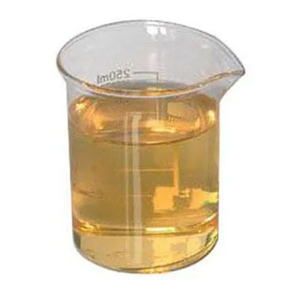
Enter admixtures: the unsung heroes of modern concrete. These concrete additives fine-tune everything from setting time to freeze-thaw resistance, turning bland gray sludge into engineered marvels. Let’s dive into the wild world of admixtures—where chemistry meets construction, and where ‘just add water’ is only half the story.
2. What Are Admixtures, Anyway?
Admixtures (sometimes spelled ‘ad mixtures’—though that’s just autocorrect being dramatic) are materials other than cement, water, and aggregates that are added to concrete before or during mixing. Their job? To modify the properties of fresh or hardened concrete for specific needs. Think of them as the spices in your grandma’s stew: a pinch here, a dash there, and suddenly it’s Michelin-worthy.
Concrete admixture types fall into two broad categories: chemical and mineral. Chemical admixtures include liquids or powders like superplasticizers and accelerators, while mineral admixtures—like fly ash or silica fume—are finely ground solids that enhance durability and strength over time.
3. The Superstars: Common Admixture Types and Their Roles
3.1 Water-Reducing Admixtures & Superplasticizers
If concrete had a red carpet, superplasticizers would be the A-list celebrities. Also called high-range water reducers, these concrete chemicals—especially polycarboxylate ether-based superplasticizers—dramatically increase flow without adding water. Less water means higher strength and lower permeability. Translation? Stronger bridges, sleeker countertops, and fewer cracks in your driveway.
You’ll often hear terms like ‘super plasticizers,’ ‘concrete water reducer,’ or ‘plasticizer for concrete’—they all point to the same family. And yes, ‘best superplasticizer for concrete’ debates rage hotter than office coffee wars, but PCE-based formulas currently lead the pack for performance and eco-friendliness.
3.2 Setting Time Controllers: Accelerators and Retarders
Need fast curing concrete additives because your client wants a patio party this weekend? Enter concrete accelerator. These speed up hydration, cutting curing time dramatically—perfect for cold weather pours or emergency repairs.
On the flip side, a concrete retarder (or admixture retarder) slows things down. Pouring in summer heat? A surface retarder concrete keeps the top layer workable longer so you can stamp those fancy patterns without racing the clock.
3.3 Air Entraining Admixtures
Ever wonder how northern roads survive endless freeze-thaw cycles? Thank air entraining admixtures. These clever additives create microscopic air bubbles in the mix—acting like tiny shock absorbers when water freezes and expands. Look for terms like ‘air entraining agent,’ ‘air entraining concrete,’ or ‘air entraining cement’ on spec sheets.
Without this, concrete in cold climates would crack like an ice cube dropped in hot soup.
3.4 Waterproofing Additives
Leaky basement? Say no more. Waterproofing admixture options range from integral waterproofer formulas to crystalline waterproofing admixture systems that grow crystals inside pores to block moisture permanently. Whether labeled ‘concrete waterproof admix,’ ‘cement waterproofing additive,’ or ‘admixture waterproofing,’ these keep water out without messy external membranes.
Pro tip: For wet areas like pools or foundations, crystalline types offer long-term protection that actually improves over time.
4. Reinforcement Beyond Rebar: Fiber Additives
Move over, steel bars—fibers are having a moment. Fiber reinforced concrete uses everything from polypropylene fibres for concrete to steel fibers for concrete and even coconut fiber reinforced concrete (yes, really!). These reinforcement fibers reduce cracking, boost impact resistance, and eliminate the need for secondary mesh in slabs.
Popular choices include pp fiber concrete for residential floors and steel fiber reinforced concrete for industrial settings. And if you’re eyeing modern concrete siding that mimics wood grain? That’s often fibercement siding—made possible by fiber for concrete mix technology from brands like Hardie or Certainteed.
5. Specialty Players: Foaming Agents, Colorants, and Release Agents
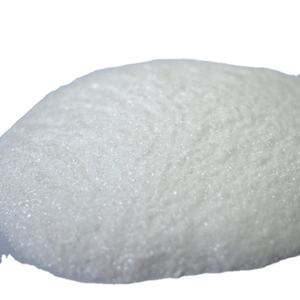
Foam lovers, rejoice! Concrete foaming agents—protein-based or synthetic—create lightweight cellular concrete for insulation blocks or void fills. CLC foaming agent prices vary, but the result? Aircrete that’s strong, light, and energy-efficient.
Want colored stamped concrete? That’s where tinted concrete powders and release agents come in. Use a concrete stamp release agent (powder or spray) to prevent sticking while adding color—charcoal, terra cotta, or even white stamped concrete for that crisp modern look.
And don’t forget white cement! Ideal for white concrete countertops or decorative elements, it’s not just pretty—it’s functional when paired with the right superplasticizer admixture.
6. Choosing the Best Admixture for Concrete
So, what’s the best admixture for concrete? It depends. Need flow? Go superplasticizer. Pouring in winter? Concrete accelerator curing time is your friend. Building a waterfront home? Prioritize waterproofing admixture for concrete. Always match the admixture to your project’s climate, timeline, and performance goals.
Brands like Chryso offer tailored solutions, but even Home Depot carries reliable concrete additives for DIYers. Just remember: more isn’t better. Overdosing can backfire—follow manufacturer specs like your project depends on it (because it does).
7. Conclusion
From superplasticizer in concrete to coconut fibre concrete, admixtures are the invisible engineers behind every durable, beautiful, and functional concrete structure. They solve real problems—cracking, leaking, slow curing—with chemical precision. So next time you walk on a smooth sidewalk or admire concrete siding that looks like wood, tip your hard hat to the humble admixture. After all, great concrete isn’t just mixed—it’s mastered.
Our Website founded on October 17, 2012, is a high-tech enterprise committed to the research and development, production, processing, sales and technical services of ceramic relative materials such as Master. Our products includes but not limited to Boron Carbide Ceramic Products, Boron Nitride Ceramic Products, Silicon Carbide Ceramic Products, Silicon Nitride Ceramic Products, Zirconium Dioxide Ceramic Products, etc. If you are interested, please feel free to contact us.