Concrete4U | Concrete Admixtures, Tools, and Production Machines

Sodium Silicate Concrete Sealer: The Brutally Honest Truth Most Contractors Won’t Tell You
Are Your Concrete Floors a Dusty, Failing Mess?
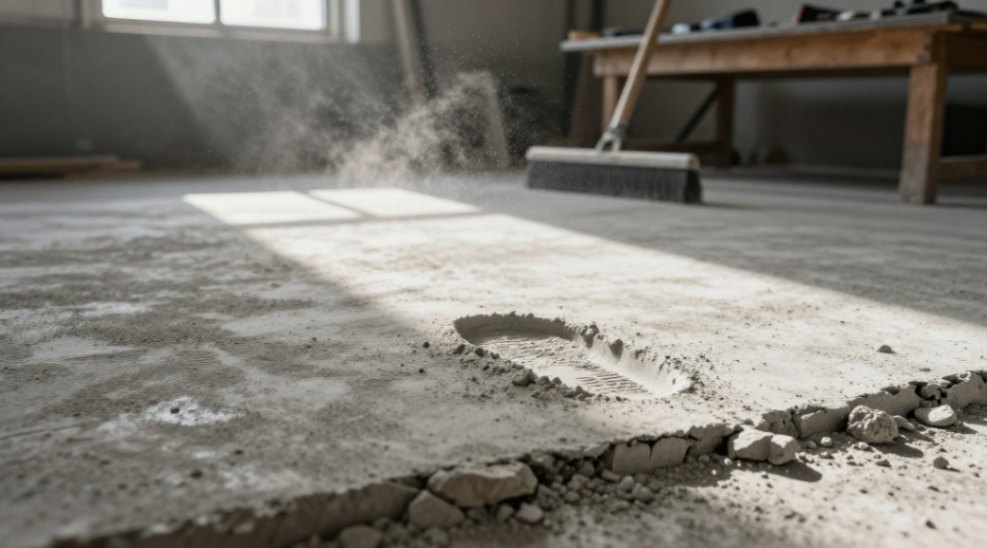
Do you watch a fine, gritty film form on your workshop floor just days after sweeping? Do you see the surface slowly crumble underfoot? This is concrete dusting. It’s the slab literally wearing itself away. The conventional fix is to slap on a thick coating like epoxy. But this creates a plastic shell on top of a weak core. You haven’t fixed the floor; you’ve just hidden the problem under a coat that will eventually fail. What if the solution wasn’t a coating at all?
What Sodium Silicate Actually Does (And What It Doesn’t)
Forget calling it a “sealer.” Sodium silicate is a chemical densifier. This distinction is everything. A sealer sits on the surface. A densifier penetrates deeply and undergoes a chemical reaction inside the concrete. It reacts with free lime and calcium hydroxide, forming a permanent, rock-hard crystalline structure within the pores. You don’t have a film on the concrete; you have harder concrete. This sealing concrete floors with sodium silicate approach solves dusting and hardening from the inside out.
The Sodium Silicate Application: A Step-by-Step Walkthrough
Precision here is non-negotiable. Follow this process or you will waste your time and money.
1. Surface Preparation Is 90% of Success
The densifier must penetrate. Any sealer, dirt, or grease will block it.
- Mechanically Clean: Use a planetary floor grinder with diamond segments, starting with a coarse 30-40 grit metal bond. This opens the surface pores.
- Clean Thoroughly: Immediately after grinding, use a commercial-grade industrial vacuum to remove all dust. Follow with a clean water rinse and a wet vacuum to pull out slurry from the pores.
- Test for Absorption: Pour a small amount of water on the slab. It should soak in within seconds, not bead up. If it beads, grind again.
2. Application Method and Critical Timing
You are not painting. You are feeding a chemical into thirsty concrete.
| Step | Method | Key Detail |
|---|---|---|
| Mix Solution | Dilute concentrated sodium silicate as per manufacturer ratio, typically 3:1 or 4:1 (water to product). | Use clean, potable water. Mix in a clean plastic drum. |
| Apply First Coat | Use a low-pressure chemical sprayer, garden sprayer, or a paint roller on a pole. | Apply evenly to saturation. The slab should look uniformly wet, not pooled. |
| Work It In | Immediately after spraying, use a floor squeegee or soft-bristle push broom. | Spread the solution, working it into the surface for 2-3 minutes to ensure even penetration. |
| Maintain Wetness | Allow the first coat to absorb for 15-20 minutes. Apply a second, lighter coat to any dry spots. | The surface must stay visually wet for a minimum of 30 minutes. This is the reaction window. |
| Final Removal | After 30-45 minutes, squeegee off any unabsorbed residue. | Leftover residue can dry into a white, sticky powder that requires scrubbing to remove. |
3. Drying, Curing, and Final Steps
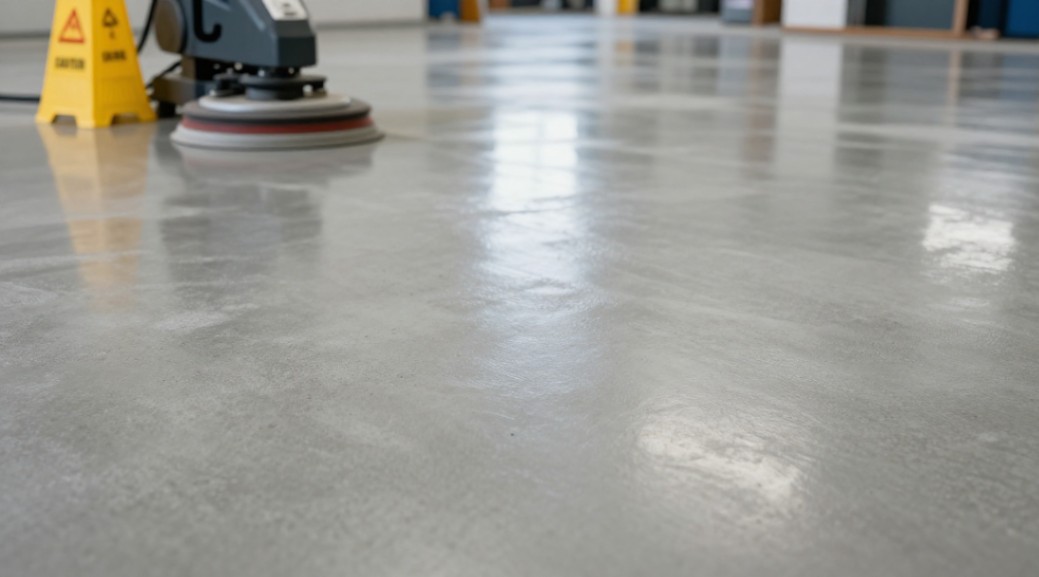
The chemical reaction continues for weeks. Allow the floor to dry completely for a minimum of 24 hours before light foot traffic. For 70% of final hardness, wait 3-7 days. For maximum hardness and dust-proofing, allow a full 28-day cure. After 24-48 hours, you can optionally mechanically polish the now-harder surface to a low sheen.
The Raw Comparison: Sodium Silicate vs. Everything Else
Stop guessing. Use this table to match the product to the problem.
| Sealer Type | Core Mechanism | Best For | Major Pros | Major Cons |
|---|---|---|---|---|
| Sodium Silicate (Chemical Densifier) | Internal chemical reaction hardening the concrete. | Industrial warehouses, workshops, basements, old dusty slabs. Preparing floors for polish. | Permanent. Increases abrasion resistance 30%+. Zero VOCs. Allows moisture vapor transmission. | Adds no sheen or color. Provides zero stain resistance to oils. Not for decorative purposes. |
| Epoxy Coating | Plastic film that bonds to the surface. | Garages needing chemical/stain resistance, high-traffic commercial spaces, decorative colored floors. | Extreme chemical and abrasion resistance. High gloss. Many colors. | Can delaminate if moisture is present. Slippery when wet. Requires perfect prep. High VOCs during application. |
| Acrylic Sealer | Water-based topical film. | Quick, cheap dust control for temporary situations. Enhancing colour on stamped concrete. | Easy DIY application. Low cost. Fast drying. | Wears off quickly (6-18 months). Poor chemical resistance. Can turn yellow. |
| Penetrating Silane/Siloxane | Water-repellent barrier within pores. | Exterior concrete, driveways, masonry. Where water repellency is the primary goal. | Excellent water and chloride intrusion resistance. Invisible. | Does not significantly harden concrete or prevent dusting. Expensive. |
Maintenance and the Reality of Limitations
A densified floor is still concrete. You’ve made it harder and dust-proof, but not invincible. Clean with neutral pH cleaners. Mop up oil spills promptly; they will still stain because sodium silicate provides no surface barrier. The floor will look like… concrete. A clean, hard, professional concrete. If you need shine or colour, you apply a decorative coating on top of the densified, stabilized slab. This two-step process-densify first, coat second-creates the most durable system possible.
Safety First: This is an Alkali Solution
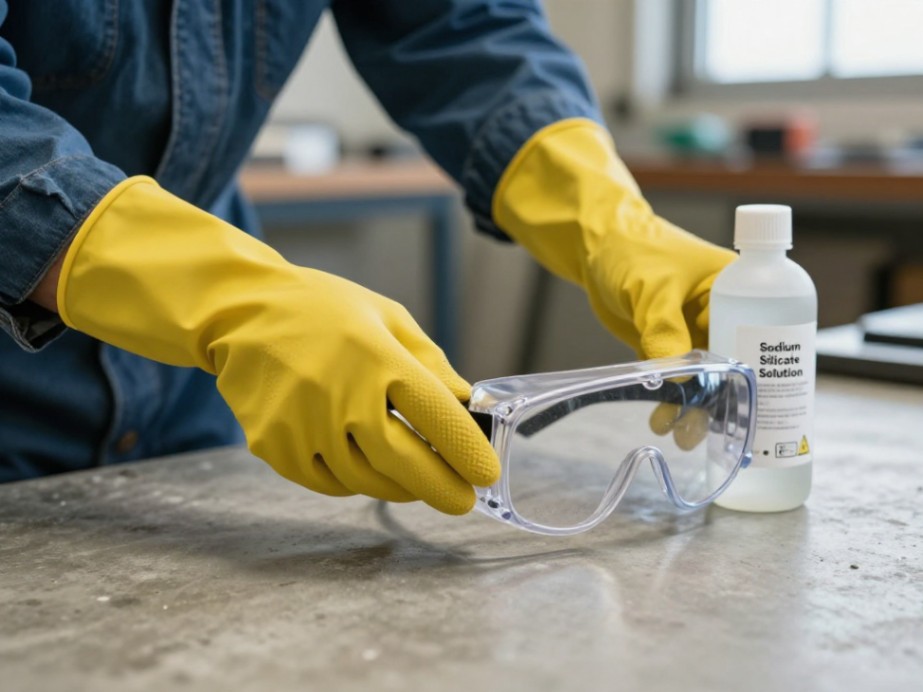
Wear chemical-resistant gloves, safety goggles, and long sleeves. Sodium silicate solution is a skin and eye irritant. Ensure the area is well-ventilated. If you choose to seal your concrete floors with sodium silicate, you are using industrial chemistry. Respect it.
The Final Verdict: What Should You Do Next?
Your path is now clear. Is your primary goal to permanently stop concrete dusting and harden an aging slab from within? The answer is unequivocally sealing concrete floors with sodium silicate. It is the foundational upgrade. Do you need a glossy, stain-proof, colored surface for a showroom or garage? Then you need an epoxy or polyurea coating. Apply it over a densified slab for bulletproof results. Stop treating symptoms. Address the core problem. Start from the inside.
Supplier
We are the global leader in lightweight concrete and advanced engineered foam solutions. Known globally for its commitment to research, innovation, and applied expertise, we have been providing engineered foam solutions since the early 2012’s.
We can supply high-quality concrete admixture and foam concrete related products all over the world.
The company has a professional technical department and quality supervision department, a well-equipped laboratory, and equipped with advanced testing equipment and after-sales customer service center.
If you are interested, please feel free and contact us.