Concrete4U | Concrete Admixtures, Tools, and Production Machines

Refractory Cement for Furnaces: The Critical Lining Choice That Determines Uptime and Cost
The Heart of Your Furnace Isn’t Metal, It’s Refractory Cement
Choosing the right refractory cement for furnaces isn’t a materials decision; it’s a financial and operational one. After decades on the shop floor, we’ve seen one truth repeatedly: the lining dictates everything. Downtime, energy efficiency, and product quality all hinge on this single choice. This article breaks down the “why” behind the material, moving beyond specs to the logic that guides lasting installations.
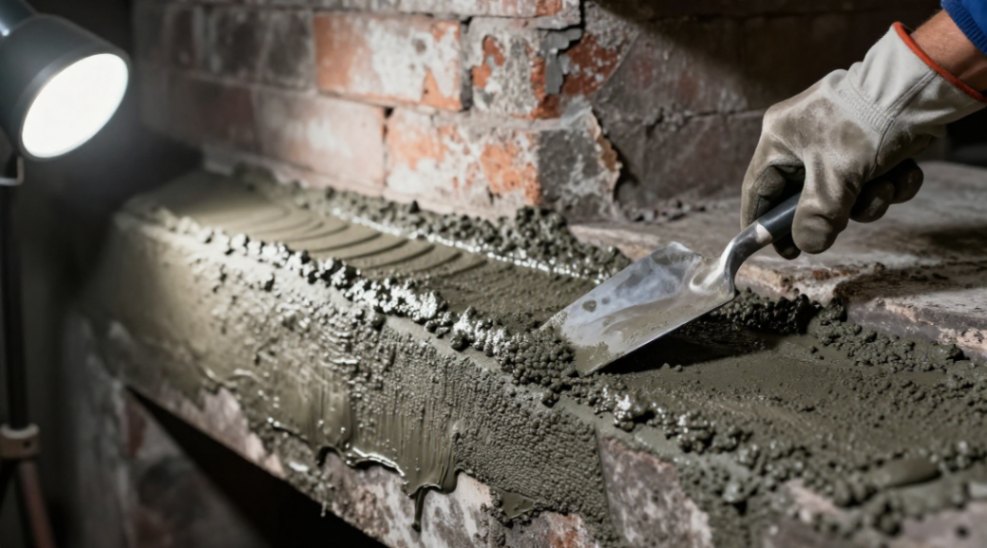
Why Your Furnace Lining Choice Matters More Than You Think
Think of refractory cement as the furnace’s immune system. It doesn’t just sit there. It actively manages extreme heat, chemical attack, and mechanical stress. A poor choice doesn’t just fail; it creates cascading problems. Spalling debris contaminates melts. Cracks leak heat and skyrocket fuel costs. Premature failure shuts down production. We select linings not for their data sheet alone, but for how they behave in the chaotic real world of thermal cycling and slag exposure.
The Two Pillars of Performance: More Than Just Heat Resistance
Everyone looks at maximum temperature rating. That’s table stakes. The real differentiators are subtler.
1. The Non-Negotiable: Thermal Shock Resistance
This is where most refractory cement formulations win or lose. A furnace isn’t a steady-state oven. We charge cold material. We cycle power. The lining expands and contracts, constantly. A brittle cement develops micro-cracks with every cycle. Eventually, those cracks connect. A chunk spalls off. The best mixes are engineered to absorb this stress, flex slightly, and survive thousands of cycles. The chemistry and aggregate grading make this possible.
2. The Silent Operator: Chemical Inertia
Heat is only part of the assault. Furnace atmospheres are corrosive. In metalworking, slags and fluxes seek to dissolve the lining. In kilns, alkali vapors attack. A cement must be a barrier. An alumina-silica base resists acidic slags. A high-alumina or basic composition fights basic slags. We match the cement’s pH to the furnace’s chemistry. Getting this wrong accelerates wear tenfold.
The Logic Behind Common Refractory Cement Types
You have three main tools. Each solves a different problem.
- Castable Refractories: Our go-to for new linings or major rebuilds. We mix them with water, pour or vibrate into forms, and create a seamless, monolithic structure. No joints mean fewer failure points. They offer excellent structural integrity and are ideal for complex shapes.
- Gunning Mixes: For speed and overhead work. We spray them onto a surface using a pneumatic gun. Perfect for lining large vessels quickly or applying a wear coat over older brick. The application technique forces good density, but it requires a skilled nozzleman.
- Patching Cements: The emergency responders. These are pre-mixed, air-setting compounds with high bond strength. We use them for quick, hot repairs to patch holes or spalls without a full shutdown. They are a band-aid, not a cure, but they keep you running.
The Industry Shift: Why Monolithics Are Overtaking Brick
The trend is clear. While brick has its place, refractory cement in monolithic form (castables, gunnables) is becoming the default. The reason is pure economics. Fewer installation man-hours. No skilled masons required for complex geometries. Seamless linings eliminate the weak point of mortar joints. The result is faster commissioning, better thermal efficiency, and often, longer campaign life. Bricks are reserved for specific, ultra-severe zones or historical repair compatibility.
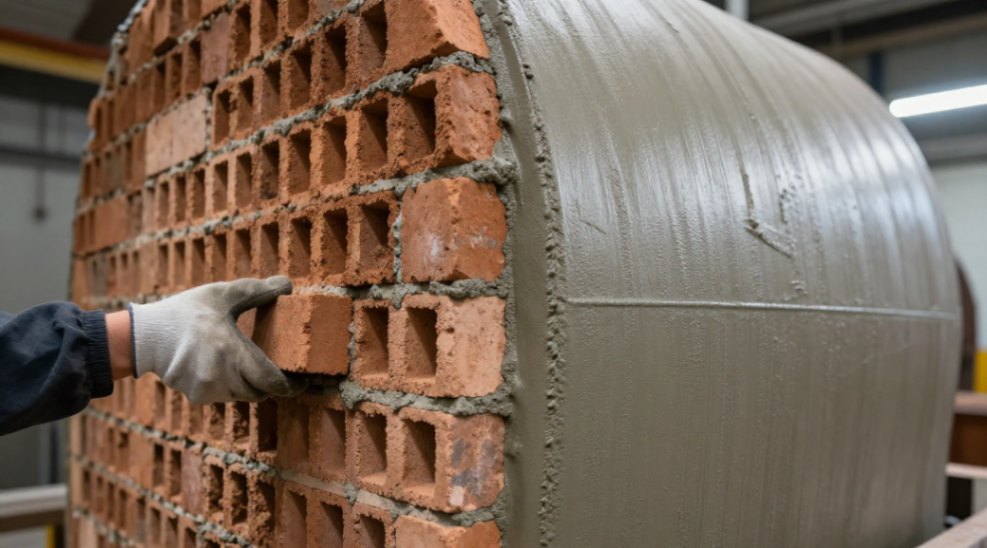
The Four-Step Selection Logic (Forget the Catalogue, Start Here)
Don’t start with product names. Start with this list.
- Define the True Maximum Temperature. Not the furnace setting, but the actual lining face temperature. Include safety margins. If your process runs at 1500°C, you need a cement rated for 1600°C or higher.
- Map the Chemical Environment. What fumes, slags, or materials will contact the lining? Acidic or basic? Oxidizing or reducing? This narrows the chemical class (alumina-silica, calcium aluminate, etc.).
- Assess the Thermal Cycle Severity. How often does the furnace heat and cool? Rapid, daily cycles demand superior thermal shock grades. Weekly or monthly cycles allow for more rigid, dense options.
- Match the Application Method to Your Resources. Do you have forms for casting? A gunning crew? This picks the product form. A perfect cement applied poorly is a failure.
The Make-or-Break Phase: Installation & Cure Are Part of the Material
The best cement can be ruined in 24 hours. The rules are simple, non-negotiable, and routinely ignored.
- Mixing: Use clean, cold water. Measure it. A soupy mix loses strength. A dry mix won’t bond. Mix only what you can place in 20 minutes.
- Application: Consolidate it. For castables, vibrate aggressively to remove air pockets. Trapped air becomes a failure path.
- The Critical Dry-Out: This is not optional. The water used for mixing must be removed slowly, as steam. Ramp the temperature too fast, and steam pressure blows the lining apart from the inside. A proper schedule holds at low temperatures (110°C, 230°F) for hours before rising.
When to Repair and When to Walk Away
We all try to extend a lining’s life. But know the limit.
Repair when damage is localized. A single spall. Erosion in a specific zone. Use a compatible patching cement, properly key and clean the surface, and follow the cure schedule. It can add months of service.
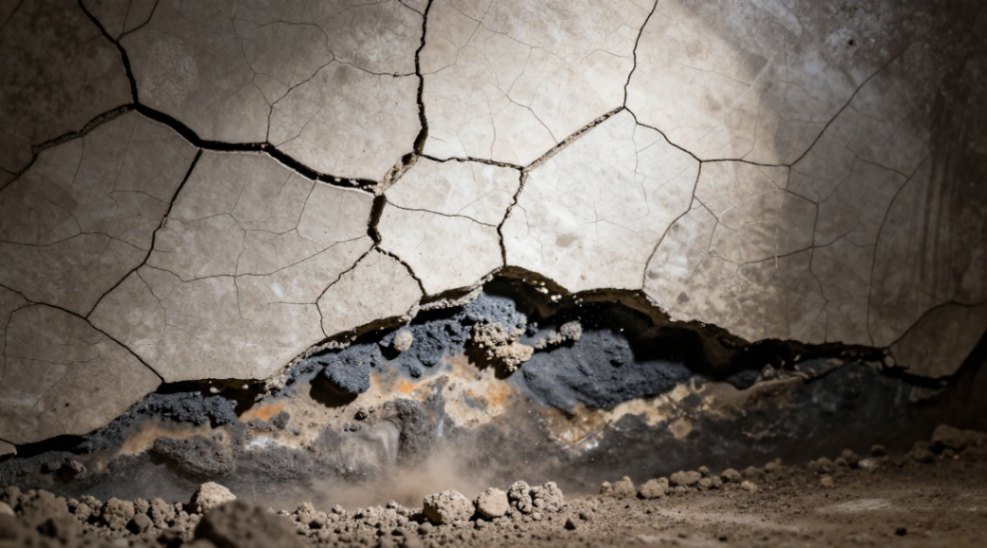
Replace when you see widespread network cracking, thinning over 40% of the original thickness, or a lining that has become soft and powdery. Patching then is wasteful. You’re fighting a losing battle against conductive heat loss and imminent breakthrough. A full rebuild with a suitable castable refractory becomes the only rational choice for safety and efficiency.
Your Next Logical Step
The theory only gets us so far. The real work happens with a trowel and a thermometer. If your current furnace lining is a source of frustration, the problem likely isn’t the furnace itself. It’s the material or method defending it. Review your process against the selection logic above. Then, test. Get samples of a refractory cement that matches your true conditions. Cast a small test block. Subject it to your thermal cycle. See how it holds up. This small investment in validation prevents the huge cost of an in-service failure. Your furnace is a revenue engine. Give it the lining it deserves.
Supplier
We are the global leader in lightweight concrete and advanced engineered foam solutions. Known globally for its commitment to research, innovation, and applied expertise, we have been providing engineered foam solutions since the early 2012’s.
We can supply high-quality concrete admixture and foam concrete related products all over the world.
The company has a professional technical department and quality supervision department, a well-equipped laboratory, and equipped with advanced testing equipment and after-sales customer service center.
If you are interested, please feel free and contact us.