Concrete-mesa | Concrete Admixtures, Tools, and Production Machines

Mastering HPMC for Tile Adhesive: A 20-Year Veteran’s Guide to Perfect Workability and Bond
I remember the panic. It was an early summer job, a large format porcelain shower wall. My adhesive was drying too fast, my tiles were sagging, and my confidence was crumbling faster than a bad mix. That’s when an old-timer showed me the white powder he swore by: hydroxypropyl methyl cellulose, or HPMC. That single bag transformed the job. It wasn’t magic; it was chemistry. And you can master it too. Let’s walk through exactly how.
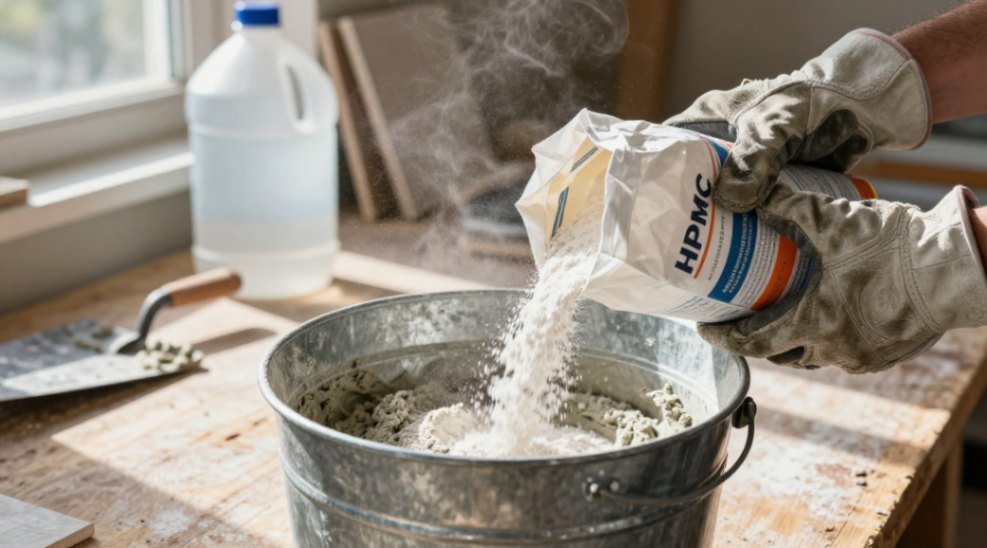
The Engine of Your Adhesive: What HPMC Does
Think of hydroxypropyl methyl cellulose for tile adhesive as a multi-tasking manager. It doesn’t provide strength on its own. Instead, it orchestrates the cement’s performance. HPMC is a cellulose ether derived from plant fibers, modified to dissolve in water. In your adhesive bucket, it creates a gel-like network. This network is responsible for three critical jobs: holding water, thickening the mix, and lubricating particles.
The Core Mechanism: Water Retention & Hydration
Cement needs time and water to gain strength. This is hydration. Without HPMC, water gets sucked into porous tiles and substrates, or it simply evaporates. The cement crystals can’t form properly. The adhesive becomes weak and brittle. HPMC’s gel network traps that water. It releases it slowly, over hours, giving the cement all the time it needs. Proper hydration means maximum final strength.
Transforming Your Workflow: Workability & Open Time
This is where you feel the difference instantly. The thickened gel adds body to the adhesive. It becomes creamy, buttery. It holds a notch perfectly. More importantly, your open time-the window you have to adjust tiles-expands dramatically. From a stressful 10-15 minutes, you can get a reliable 30 minutes or more. No more rushing. You can focus on perfect alignment.
Defying Gravity: Sag Resistance on Walls
Vertical surfaces test an adhesive’s true character. HPMC provides cohesive strength-the adhesive’s internal stickiness. This gives it a gentle, constant hold. Tiles won’t slide down the wall under their own weight. You achieve true non-sag performance, crucial for large or heavy tiles.
Your Practical Guide: Selecting, Dosing, and Mixing HPMC
Success lies in the details. You can’t just toss it in and hope.
Step 1: Choose the Right Viscosity Grade
Viscosity, measured in millipascal-seconds (mPa·s), dictates thickness. A 4% solution in water is the standard test. Your choice depends on the tile and job.
| Job Type & Tile Size | Recommended HPMC Viscosity (4% solution) | Primary Benefit |
|---|---|---|
| Small ceramic mosaics, thin-bed | 40,000 – 60,000 mPa·s | Excellent workability, easy spreading |
| Standard wall & floor tiles | 75,000 – 100,000 mPa·s | Balanced sag resistance and open time |
| Large format porcelain (LFT), heavy stone | 150,000 – 200,000 mPa·s | High cohesive strength, superior non-sag |
Step 2: Determine the Precise Dosage
More is not better. Excess HPMC can make the adhesive too sticky, slow strength development, and increase cost. Dosage is a percentage of the dry powder weight of your adhesive mix.
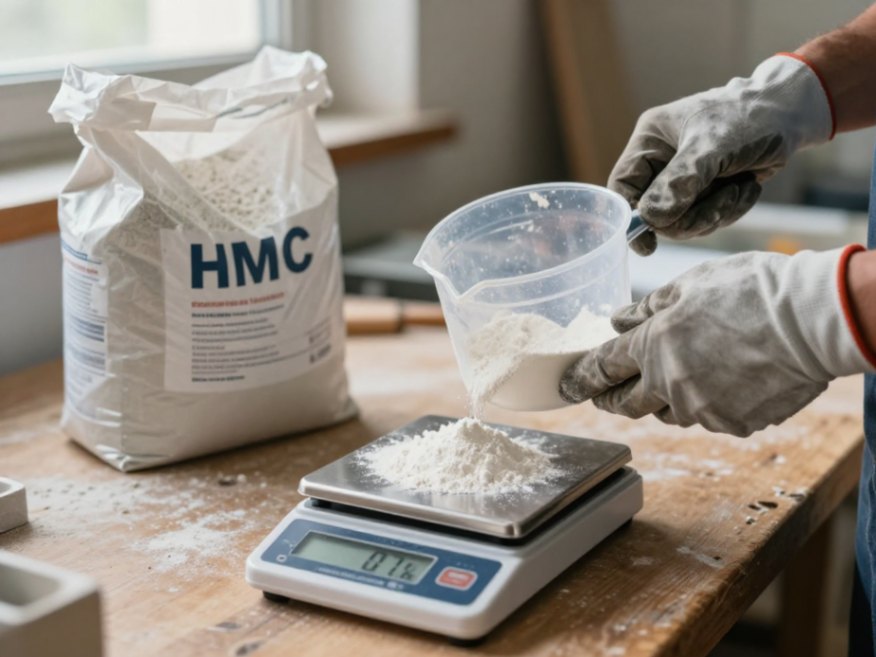
- Typical starting point: 0.2% to 0.5% by weight.
- For enhanced open time: Use 0.3% – 0.4%.
- For extreme sag resistance: Use 0.4% – 0.5% of a high-viscosity grade.
Example: For a 25 kg (55 lb) bag of dry adhesive powder, 0.3% equals 75 grams (about 2.6 oz) of HPMC. Weigh it. Do not guess.
Step 3: The Critical Mixing Procedure
HPMC hates clumping. If you add it directly to water, it forms a gel shell around dry powder inside-a “fish-eye.” You must disperse it properly.
- Dry-Mix First. Weigh your HPMC. Add it directly to the other dry ingredients in your mixer (cement, sand, polymers). Run the dry mixer for 2-3 minutes. This ensures even distribution.
- Add Water Gradually. With the mixer running, add approximately 90% of your total required clean water. Mix for 2-3 minutes. The HPMC will hydrate smoothly.
- Scrape and Rest. Stop the mixer. Scrape down the sides and paddle to incorporate any unmixed material. This is vital.
- Final Adjust and Rest. Restart the mixer. Add the remaining 10% of water slowly to achieve your desired consistency. Mix for another 2 minutes. Let the batch sit for 5 minutes (slaking), then give a final 1-minute mix. This rest period allows the HPMC to fully develop its viscosity.
Why HPMC Outperforms Other Thickeners
You have options. But for tile adhesive, HPMC is the clear leader. Here’s the logical breakdown.
| Additive Type | Key Feature | Drawback in Tile Adhesive | HPMC’s Advantage |
|---|---|---|---|
| Starch Ethers | Low cost, good initial thickness | Poor water resistance; loses viscosity over time | Stable viscosity; enhances long-term durability |
| ASE (Alkali Swellable Emulsions) | High thickening efficiency | Often requires neutralization; sensitive to pH | Works across a wide pH range; simple dry powder addition |
| Other Cellulose Ethers (e.g., CMC) | Thickening | Lower water retention; can be less efficient | Superior water-holding capacity for optimal cement cure |
HPMC brings a complete package. It works synergistically with redispersible polymer powders (RDP) for flexibility. It improves adhesion to difficult substrates. It even contributes to better water resistance in the cured film by promoting denser cement hydration.
Final Advice from the Trenches
Start with a mid-range viscosity (75,000-100,000 mPa·s) at 0.3% dosage. Test it. Feel the extended open time. Check the sag on a test board. Adjust from there based on your specific materials and conditions. Remember the mixing sequence. Dry blend first. Always.
This knowledge turned my career around. It moved me from fighting my materials to commanding them. You can achieve that same control. Your tiles will stay put. Your lines will be straight. Your work will last.
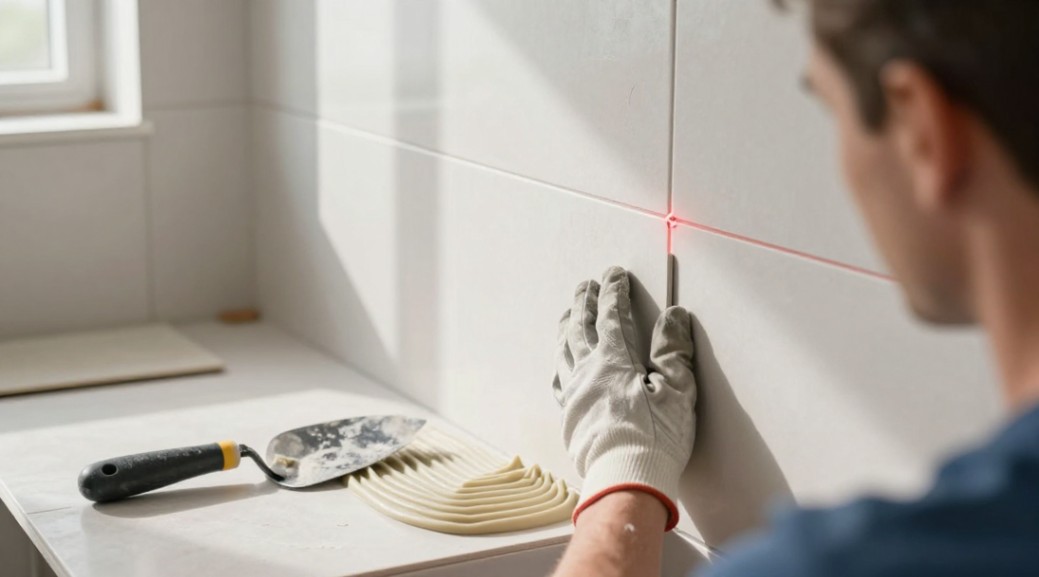
Ready to eliminate slippage and wasted adhesive for good? The next step is to source a reliable, high-purity HPMC. Don’t compromise on quality. For consistent, batch-to-batch performance that matches this guide, I recommend you contact our team for a sample of our professional-grade hydroxypropyl methyl cellulose for tile adhesive. Let’s get the right tool in your hands. Request your sample and technical data sheet here.
Supplier
We are the global leader in lightweight concrete and advanced engineered foam solutions. Known globally for its commitment to research, innovation, and applied expertise, we have been providing engineered foam solutions since the early 2012’s.
We can supply high-quality concrete admixture and foam concrete related products all over the world.
The company has a professional technical department and quality supervision department, a well-equipped laboratory, and equipped with advanced testing equipment and after-sales customer service center.
If you are interested, please feel free and contact us.