Concrete4U | Concrete Admixtures, Tools, and Production Machines

Stop Cracking in Its Tracks: A Practical Guide to Using Micro Fibers for Shrinkage Reduction in Concrete
The Surprising Truth About Concrete Shrinkage
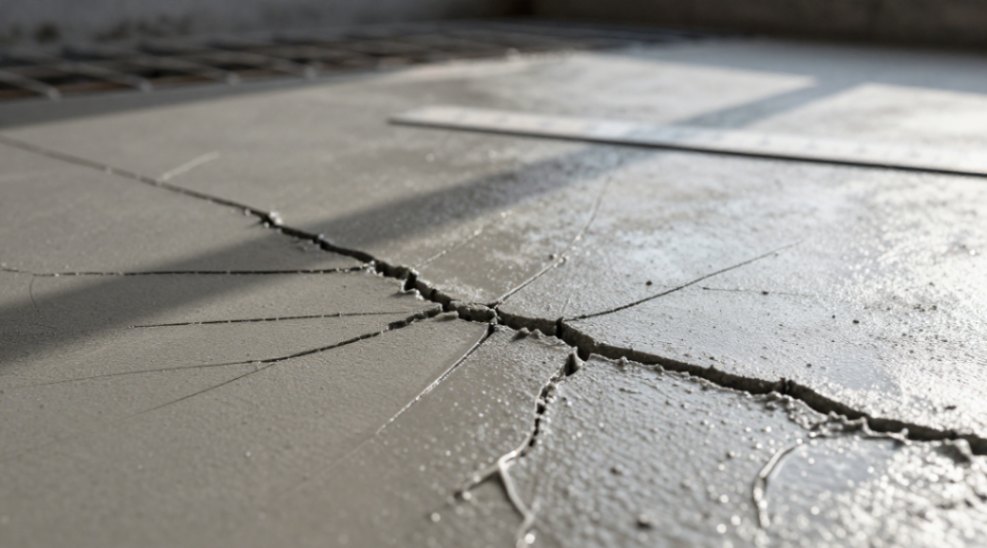
A freshly poured slab can lose over 1 pound of water per square foot in the first few hours. This evaporation creates immense tensile stress in the concrete, a material notoriously weak in tension. The result? A network of fine, random cracks that mar the surface and compromise long-term durability. Industry studies show that plastic shrinkage cracking is the single most common reason for callbacks on flatwork projects. But here’s the surprising part: for decades, we’ve often used the wrong tool to fight it. We rely on welded wire mesh or rebar, which sit deep in the slab, completely inactive during the critical first 24 hours when surface cracks form. The real solution is microscopic, mixed directly into the batch. It’s the strategic use of micro fibers for shrinkage reduction in concrete. Let me walk you through exactly how they work and how to use them correctly.
How Tiny Fibers Solve a Giant Problem
Microfibers are synthetic strands, typically made from polypropylene or nylon. They are tiny, usually less than 0.3mm in diameter and 10-20mm long. You add them to the concrete mix by the bag, measured in pounds per cubic yard. Their magic happens during the plastic state. As water evaporates from the surface and the paste tries to shrink, these millions of fibers create a three-dimensional web of support. They bridge the micro-voids and incipient cracks that form, holding the material together until it gains enough tensile strength on its own. Think of them as a microscopic internal reinforcement net that activates immediately, unlike mesh which only works after the concrete has hardened and cracked. This primary mechanism directly combats plastic shrinkage. Certain fiber types, like some polyvinyl alcohol (PVA) microfibers, also continue to provide restraint against long-term drying shrinkage, reducing the width and frequency of cracks over the concrete’s service life.
A Step-by-Step Guide to Mastering Microfibers
Success with micro fibers for shrinkage reduction in concrete depends on proper handling. Treat them as a key ingredient, not an afterthought. Follow these steps precisely.
Step One: Select the Right Fiber. This is your most critical decision. For general plastic shrinkage control, fine monofilament polypropylene fibers are the standard workhorse. They are cost-effective and excellent at dispersion. For environments requiring higher toughness or where long-term shrinkage is a major concern, consider a blend or PVA fibers. Always confirm the fiber is designed for concrete, not mortar or grout. The dosage rate is key; a typical range for shrinkage control is 0.5 to 1.5 pounds per cubic yard (0.3 to 0.9 kg/m³). Your supplier’s technical data sheet is your bible here.
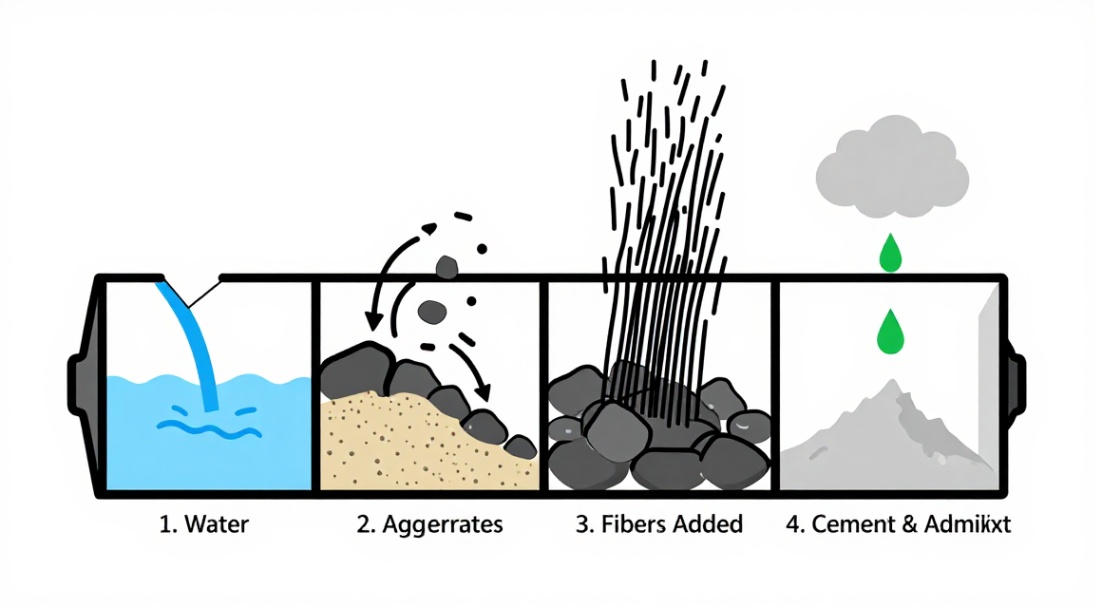
Step Two: Integrate Them into the Mix. Never dump fibers into a loaded mixer or a wheelbarrow by hand. This causes balling. The correct method is to add them with the coarse aggregates. Start the mixer, add most of your mixing water, then introduce the rocks and sand. As the aggregates tumble, sprinkle the fibers in steadily over 30-60 seconds. This allows the coarse material to separate and distribute the individual strands. Then, add your cement and any admixtures. This sequence ensures uniform dispersion, which is non-negotiable for performance.
Step Three: Manage Workability and Finishing. Adding fibers will stiffen the mix. You will notice a slight reduction in slump. This is normal and indicates the fibers are working. Do not compensate by adding excess water, as this increases shrinkage and defeats the purpose. Instead, plan for it. Use a water reducer or superplasticizer to regain workability without increasing the water-cement ratio. During finishing, you may see a few individual fibers at the surface. Do not overwork the surface trying to bury them; a simple pass with a magnesium float will typically tuck them in. The final broom or trowel finish will be unchanged from a non-fiber mix if your workability is correctly managed.
Why Microfibers Outperform Wire Mesh Every Time
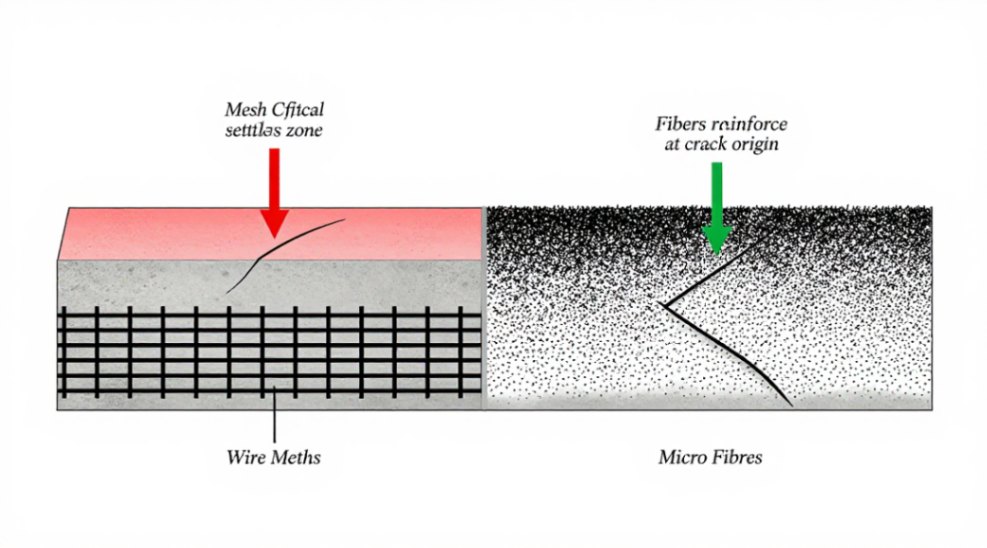
Let’s be clear. Wire mesh is for structural crack control in hardened concrete. Microfibers are for plastic shrinkage control. They serve different primary functions, but for preventing early-age cracking, fibers are superior. Mesh is often incorrectly placed, stepped on during the pour, and ends up lying on the ground rather than in the critical top third of the slab where shrinkage stresses are highest. Micro fibers for shrinkage reduction in concrete are everywhere. Their three-dimensional distribution means reinforcement is present at the exact location where cracks initiate, regardless of placement errors. The cost comparison is also revealing. The labor to install, tie, and support mesh is significant. A bag of fibers is simply added at the plant or on site. For a typical residential slab, the material and labor cost of mesh often exceeds the cost of a fiber dosage that provides superior crack prevention.
Your Blueprint for Flawless Concrete
Forget the old rules. If your goal is a durable, crack-free surface from day one, microfibers are not just an option; they are a fundamental best practice. They work in synergy with good concrete practices: proper curing, joint placement, and a low water-cement ratio. They are compatible with most chemical admixtures and can even be used alongside larger macro-synthetic or steel fibers for combined plastic shrinkage and structural toughness. Start your next flatwork project with confidence. Specify micro fibers for shrinkage reduction in concrete on your mix design. Talk to your ready-mix supplier and insist on proper batching procedure. The difference will be visible in the flawless, durable finish you achieve, project after project. Make the switch today and eliminate plastic shrinkage cracks for good.
Supplier
We are the global leader in lightweight concrete and advanced engineered foam solutions. Known globally for its commitment to research, innovation, and applied expertise, we have been providing engineered foam solutions since the early 2012’s.
We can supply high-quality concrete admixture and foam concrete related products all over the world.
The company has a professional technical department and quality supervision department, a well-equipped laboratory, and equipped with advanced testing equipment and after-sales customer service center.
If you are interested, please feel free and contact us.