Concrete4U | Concrete Admixtures, Tools, and Production Machines

What Are Admixtures and Why Is Everyone Talking About Superplasticizers in Concrete Right Now?
1. Introduction
Just 24 hours ago, a major construction tech expo in Dubai unveiled a new generation of eco-friendly superplasticizers that cut water use by 40% while boosting concrete strength—sparking a global surge in searches for ‘best admixture for concrete.’ Suddenly, everyone from engineers to weekend renovators wants to know: what exactly are admixtures, and why do they matter?
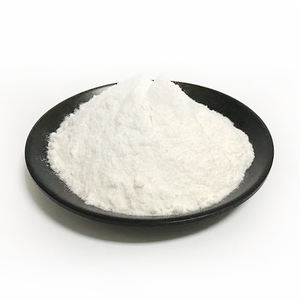
Spoiler: they’re not magic potions (though they might as well be). Admixtures are chemical or mineral additives mixed into concrete to tweak its behavior—like giving it caffeine for faster curing or a raincoat for waterproofing. Let’s crack open the concrete toolbox.
2. What Are Admixtures?
Admixtures—sometimes spelled ‘ad mixtures’ (but don’t tell the chemists)—are ingredients added to concrete before or during mixing to modify its properties. Think of them as the seasonings in your grandma’s stew: a pinch here, a dash there, and suddenly everything’s better.
They fall into two broad camps: chemical admixtures (like superplasticizers and accelerators) and mineral admixtures (like fly ash or silica fume). Both play vital roles in making concrete work harder, last longer, and look sharper.
3. Common Admixture Types and Their Superpowers
Not all heroes wear capes—some come in 5-gallon pails labeled ‘concrete chemicals.’ Here’s a quick rundown of the usual suspects:
- Water reducing admixtures (aka concrete water reducers): Slash water content without sacrificing workability. Less water = stronger concrete. Win-win.
- Superplasticizer admixture: The rockstar of the bunch. These high-range water reducers—often polycarboxylate ether (PCE)-based—let you pour self-leveling, ultra-fluid concrete that still hardens like a tank. Also called super plasticizers or plasticizer for concrete.
- Concrete accelerator: Speeds up curing time. Perfect when you’re racing against rain or deadlines. Bonus: ‘concrete accelerator curing time’ is a top Google query this week.
- Concrete retarder: Does the opposite—slows things down. Great for hot climates or complex pours. Also known as admixture retarder or surface retarder concrete.
- Air entraining admixture: Adds microscopic air bubbles to fight freeze-thaw damage. Yes, ‘air entraining concrete’ is a real thing—and it’s tougher than it sounds.
- Waterproofing admixture: Includes integral waterproofer, crystalline waterproofing admixture, and cement waterproofing additive. Keeps moisture out without surface coatings.
- Fiber reinforcement: From polypropylene fibres for concrete to steel fibers for concrete, these add crack resistance and toughness. Ever heard of fiber reinforced concrete? That’s this crew.
4. Superplasticizers: The MVP of Concrete Admixtures
If concrete had a fantasy football league, superplasticizers would be the first draft pick. These chemical admixtures—especially polycarboxylate-based ones—deliver insane fluidity with minimal water.
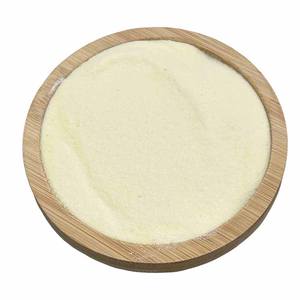
Why the hype? Because ‘superplasticizer in concrete’ enables high-performance mixes for skyscrapers, bridges, and even sleek countertops. Plus, they’re getting greener: new PCE superplasticizers reduce CO2 emissions by optimizing cement use.
Confused by terms like ‘polycarboxylate ether superplasticizer’ or ‘naphthalene based superplasticizer’? Don’t sweat it. Just know that PCE types are the current gold standard—offering better slump retention and compatibility with modern cements.
5. Waterproofing and Specialty Additives
Leaky basements? Crumbling driveways? Enter waterproof admix solutions. Whether it’s a crystalline waterproofing admixture that grows crystals inside pores or a simple concrete waterproofing additive, these turn ordinary concrete into a moisture-fighting fortress.
And let’s not forget foaming agents! Used in foam concrete and CLC blocks, a good foaming agent for foam concrete creates lightweight, insulating structures. Protein-based or synthetic—there’s a foam for every job.
6. Color, Release, and Aesthetics
Concrete isn’t just gray sludge anymore. With colored concrete powders, stamped concrete colors, and tinted releases, your patio can look like cobblestone, wood, or even terracotta.
Need to pop a mold without tearing your masterpiece? Concrete release agents—spray, powder, or oil—do the trick. Look for water-based release agents if you’re eco-conscious.
7. Fiber Reinforcement: Beyond Steel Rebar
Fiber for concrete mix isn’t just for show. Polypropylene fibre, steel fiber reinforced concrete, and even coconut fiber reinforced concrete add durability, reduce cracking, and sometimes replace traditional rebar.
Brands like Fibermesh concrete or products labeled ‘fiber reinforced polymer concrete’ are trending—especially for thin overlays and industrial floors. And yes, you can find concrete additives fiber at Home Depot.
8. White Cement and Decorative Touches
Want a bright, clean finish? White Portland cement is your go-to. Used in white concrete countertops, tiles, and even siding, it pairs beautifully with colored admixtures and release powders.
Pro tip: white cement price varies by region, but its reflective quality makes it ideal for sustainable builds. Plus, it stains gorgeously with charcoal concrete color or terra cotta concrete color.
9. Choosing the Best Admixture for Your Project
So, what’s the best admixture for concrete? It depends. For high-strength pours: superplasticizer admixture. For cold climates: air entraining agent. For wet zones: waterproofing admixture for concrete. For fast turnaround: accelerating admixtures for concrete.
Brands like Chryso admixture offer tailored solutions, but always check compatibility with your cement type. And remember—more isn’t always better. Follow dosage guidelines!
10. Conclusion
Admixtures transform concrete from a basic building block into a high-tech material capable of bending (slightly), resisting water, curing fast, and even looking fabulous. Whether you’re using a concrete retarder admixture to beat the summer heat or adding polypropylene fibres for crack control, these additives are the quiet geniuses behind modern construction.
So next time you walk on a smooth driveway or admire a sleek concrete siding house, tip your hard hat to the humble admixture—the unsung hero in every pour.
Our Website founded on October 17, 2012, is a high-tech enterprise committed to the research and development, production, processing, sales and technical services of ceramic relative materials such as What. Our products includes but not limited to Boron Carbide Ceramic Products, Boron Nitride Ceramic Products, Silicon Carbide Ceramic Products, Silicon Nitride Ceramic Products, Zirconium Dioxide Ceramic Products, etc. If you are interested, please feel free to contact us.