Concrete4U | Concrete Admixtures, Tools, and Production Machines

10 Essential Things You Need to Know About Admixtures in Concrete (From Superplasticizers to Coconut Fibers!)
1. Introduction
Imagine building a skyscraper with concrete that sets as slowly as your Wi-Fi during a Zoom call—or one that cracks faster than your phone screen on tile. Thankfully, modern construction has a secret weapon: admixtures. These concrete additives are like the spices in your grandma’s stew—they don’t make up the bulk, but without them, everything falls flat. Whether you’re pouring a patio, crafting white countertops, or waterproofing a basement, there’s an admixture for that.
2. What Exactly Are Admixtures?
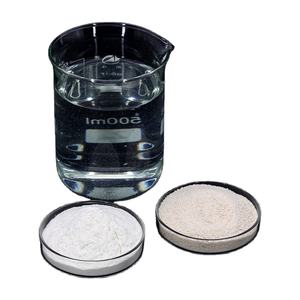
Admixtures—sometimes spelled ‘ad mixtures’ by the overly enthusiastic—are chemical or mineral ingredients added to concrete before or during mixing to modify its properties. Think of them as performance enhancers for your cement cocktail. They can speed things up, slow things down, make concrete flow like silk, or even help it repel water like a duck’s back.
- They’re typically added in small quantities (less than 5% by weight of cement).
- They fall into two broad categories: chemical admixtures and mineral admixtures.
- Common goals include improved workability, durability, strength, or setting time control.
3. The Superstars: Superplasticizers and Water Reducers
If concrete had a red carpet, superplasticizers would be strutting down it in designer tuxedos. Also known as high-range water reducers, these chemical admixtures drastically reduce the water content needed while maintaining—or even boosting—workability. The result? Stronger, denser, and more durable concrete without sacrificing ease of placement.
Superplasticizer in concrete is especially vital for high-performance mixes like those used in bridges or sleek architectural features. Polycarboxylate ether (PCE)-based superplasticizers are the current gold standard—offering superior slump retention and compatibility with modern cements. Naphthalene- and melamine-based versions still have their place, but PCEs are the Beyoncé of the admixture world: versatile, powerful, and always trending.
4. Timing Is Everything: Accelerators and Retarders
Sometimes you need concrete to cure faster than your coffee cools—enter concrete accelerators. These speeding-up agents shorten setting time and boost early strength, perfect for cold-weather pours or emergency repairs. On the flip side, concrete retarders act like pause buttons, delaying hydration when you’re dealing with hot climates, long hauls, or intricate decorative work like stamped concrete.
Surface retarder concrete is a niche but brilliant tool for exposed-aggregate finishes. And if you’ve ever wondered how contractors manage large pours without cold joints, thank admixture retarders working quietly behind the scenes.
5. Air Entraining: Tiny Bubbles, Big Benefits
Air entraining admixtures introduce microscopic air bubbles into the mix—sounds weird, but it’s genius. These bubbles act as pressure-relief valves during freeze-thaw cycles, preventing cracks and spalling. In cold regions, air entraining concrete isn’t optional—it’s essential.
An air entraining agent improves durability without compromising much on strength, making it a staple in pavements, driveways, and bridge decks. Just don’t confuse it with foaming agents (more on those later)—these bubbles are tiny, stable, and purpose-built for resilience.
6. Waterproofing Wonders: From Crystalline to Integral Solutions
Water and concrete aren’t natural allies. That’s where waterproofing admixtures step in. Options range from integral waterproofers that react within the matrix to crystalline waterproofing admixtures that grow crystals to block capillaries. Cement waterproofing additive or concrete waterproof admix? Both work—but crystalline types offer self-healing properties over time.
For basements, tunnels, or water tanks, a good waterproofing admixture for concrete is non-negotiable. Brands like Chryso admixture offer advanced formulations, but even DIYers can find reliable concrete waterproofing additive options at Home Depot.
7. Fiber Reinforcement: Beyond Steel Rebar
Fibers for concrete aren’t just for show—they add toughness, reduce cracking, and improve impact resistance. From polypropylene fibres for concrete (great for slabs and shotcrete) to steel fibers for concrete (hello, industrial floors), fiber reinforced concrete is having a moment.
Even coconut fiber reinforced concrete is gaining traction in sustainable builds! Whether it’s macro fibers for structural enhancement or microfibers for crack control, adding fiberfor concrete mix transforms brittle material into something far more forgiving. And yes, this includes fiber cement siding—those sleek, wood-look panels from Hardie or CertainTeed rely on fiber reinforcement for durability and low maintenance.
8. Foaming Agents & Lightweight Concrete
Need lightweight blocks or insulating fills? Enter the concrete foaming agent. Used in CLC (cellular lightweight concrete), these agents—protein-based or synthetic—create stable foam that’s mixed into cement to produce aircrete or foamcrete. CLC foaming agent price varies, but the payoff is huge: reduced density, better insulation, and easier handling.
Best foaming agent for aircrete depends on your application, but quality matters—cheap homemade foaming agent for concrete often collapses mid-pour. Stick to proven synthetic or protein based foaming agent concrete solutions for consistent results.
9. Color, Release, and Aesthetics
Want charcoal stamped concrete that looks like slate? Or white concrete for countertops that screams ‘modern chic’? Colored concrete starts with pigments, but release agents keep your stamps clean. Concrete release agent—powder or spray—prevents sticking without marring patterns. Brickform liquid release and similar products ensure your brown stamped concrete or terra cotta concrete color pops perfectly.
White cement is another aesthetic MVP—used for white mortar, bright facades, or pristine pavers. Though pricier than gray, white Portland cement delivers unmatched brightness and is ideal for decorative applications.
10. Choosing the Best Admixture for Concrete
With so many options—from superplasticizer admixture to fiber reinforcement—it’s tempting to throw everything in. But the best admixture for concrete depends on your specific needs: climate, design, timeline, and budget. Always consult technical data sheets (or a bio data sheet from the manufacturer) and consider compatibility. Mixing incompatible concrete chemicals can lead to disaster faster than mismatched socks at a wedding.
11. Conclusion
Admixtures may be small in volume, but they’re massive in impact. Whether you’re tweaking curing time with a concrete accelerator, boosting flow with a superplasticizer, or adding flair with colored stamped concrete, these additives are the silent partners in every great concrete project. So next time you walk on a smooth sidewalk or admire fiber cement siding that mimics cedar, tip your hat to the humble admixture—the true MVP of the concrete world.
Our Website founded on October 17, 2012, is a high-tech enterprise committed to the research and development, production, processing, sales and technical services of ceramic relative materials such as 10. Our products includes but not limited to Boron Carbide Ceramic Products, Boron Nitride Ceramic Products, Silicon Carbide Ceramic Products, Silicon Nitride Ceramic Products, Zirconium Dioxide Ceramic Products, etc. If you are interested, please feel free to contact us.