Concrete4U | Concrete Admixtures, Tools, and Production Machines

Admixtures Are Revolutionizing Modern Concrete Construction
1. Introduction
Just 24 hours ago, a major breakthrough in sustainable construction was announced: researchers at ETH Zurich unveiled a next-generation polycarboxylate ether (PCE) superplasticizer that reduces cement usage by up to 30% while maintaining high-strength performance. This innovation highlights the growing importance of admixtures in modern concrete technology—and why understanding them matters more than ever.
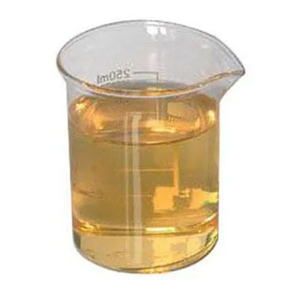
Concrete is no longer just cement, sand, water, and aggregate. Today’s high-performance mixes rely heavily on carefully engineered chemicals known as admixtures. These concrete additives fine-tune everything from setting time to freeze-thaw resistance, making structures safer, more durable, and easier to build.
2. What Are Admixtures?
Admixtures—sometimes spelled ‘ad mixtures’—are materials added to concrete before or during mixing to modify its properties. Unlike aggregates or cement, they’re used in small quantities but deliver outsized impact. Whether you’re pouring a driveway or constructing a skyscraper, the right admixture can make all the difference.
The term ‘concrete admixture’ covers a wide range of products, from simple plasticizers to advanced crystalline waterproofing systems. They fall into two broad categories: chemical admixtures and mineral admixtures. Chemical versions include superplasticizers, accelerators, and air-entraining agents, while mineral types often involve fly ash or silica fume.
3. Common Types of Concrete Admixtures
Understanding admixture types helps contractors choose the best admixture for concrete in any scenario. Here are the most widely used categories:
- Water reducing admixtures (also called concrete water reducers) cut water content without sacrificing workability, boosting strength and durability.
- Superplasticizers—often labeled as super plasticizers or polycarboxylate superplasticizers—are high-range water reducers that enable self-consolidating concrete with minimal vibration.
- Concrete accelerators shorten curing time, ideal for cold-weather pours or fast-track projects. Accelerating admixtures for concrete are especially useful when quick form removal is needed.
- Concrete retarders delay setting, giving crews extra time in hot climates or for complex placements. Surface retarder concrete is even used to expose aggregates for decorative finishes.
- Air entraining admixtures introduce microscopic air bubbles, improving freeze-thaw resistance. This ‘air entraining concrete’ is standard in northern climates.
- Waterproofing admixtures—including integral waterproofer, cement waterproofing additive, and crystalline waterproofing admixture—block moisture penetration from within the matrix.
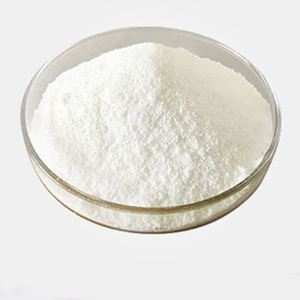
4. Superplasticizers: The Game-Changer in Concrete Chemistry
Among all concrete chemicals, superplasticizer admixtures stand out. These powerful plasticizers for concrete—also called concrete plasticisers—allow dramatic water reduction (up to 40%) while maintaining flow. The result? Stronger, denser, and more durable concrete.
Modern superplasticizers are mostly based on polycarboxylate ether (PCE), replacing older naphthalene or melamine-based formulas. PCE superplasticizers offer superior slump retention, compatibility with supplementary cementitious materials, and lower dosage requirements. Brands like Chryso admixture lead this innovation wave.
When people ask for the ‘best superplasticizer for concrete,’ experts point to polycarboxylate-based options due to their efficiency and environmental benefits. Whether labeled as superplasticizer in concrete or concrete superplasticizer additive, these products are now essential in high-rise and infrastructure work.
5. Waterproofing and Fiber Reinforcement: Beyond Basic Performance
Waterproof admix solutions have evolved beyond surface sealers. Today’s concrete waterproofing additives—like crystalline waterproofing admixture—react chemically with cement to form insoluble crystals that block capillaries permanently. This ‘admixture waterproofing’ approach is far more reliable than topical coatings.
Meanwhile, fiber reinforcement is transforming structural integrity. Fibers for concrete—such as polypropylene fibres for concrete, steel fibers for concrete, or even coconut fiber reinforced concrete—reduce cracking and improve impact resistance. Products like Fibermesh concrete use macro fibers to replace traditional rebar in slabs.
From carbon fiber reinforced concrete to pp fiber concrete, these additives create fiber reinforced concrete mixes that are lighter, tougher, and faster to install. Note: ‘Concrete fiber siding’ and ‘fibercement siding’ (e.g., Hardie or CertainTeed brands) are separate building products—not structural concrete—but often confused due to similar terminology.
6. Specialty Admixtures for Aesthetics and Lightweight Applications
Not all admixtures are about strength. Colored concrete relies on pigments and release agents—like powder release agent for concrete or water-based release agent—to achieve stamped concrete colors and patterns. Whether you want charcoal stamped concrete or terra cotta concrete color, the right release spray ensures clean impressions.
For lightweight builds, foaming agents create cellular concrete. CLC foaming agent, protein-based foaming agent, or synthetic foaming agent for concrete generate stable air bubbles, yielding foamcrete used in blocks and insulation. The best foaming agent for aircrete balances stability, cost, and ease of use.
White cement also plays a role in aesthetics—used in white concrete countertops, white concrete pavers, or decorative mortar. Though not an admixture itself, it’s often paired with superplasticizers and colorants for premium finishes.
7. Choosing the Right Admixture
Selecting the right admixture used in concrete depends on climate, design specs, and project goals. Need fast curing concrete additives for a winter pour? Go with a concrete accelerator. Pouring in summer heat? A concrete retarder admixture buys you time. For basements or tunnels, a concrete waterproof admix is non-negotiable.
Always consult technical data sheets (sometimes called bio data sheets) and consider compatibility. Not all superplasticizer admixtures work well with every cement type. And while Home Depot carries basic concrete additives, specialized projects may require industrial-grade formulations.
8. Conclusion
Admixtures have moved from optional extras to essential components in modern concrete. Whether it’s a superplasticizer enhancing flow, an air entraining agent fighting frost damage, or fibers adding toughness, these concrete chemicals solve real-world challenges efficiently. As sustainability demands grow, expect even smarter, greener admixtures—like the PCE breakthrough from Zurich—to shape the future of construction.
Our Website founded on October 17, 2012, is a high-tech enterprise committed to the research and development, production, processing, sales and technical services of ceramic relative materials such as Admixtures. Our products includes but not limited to Boron Carbide Ceramic Products, Boron Nitride Ceramic Products, Silicon Carbide Ceramic Products, Silicon Nitride Ceramic Products, Zirconium Dioxide Ceramic Products, etc. If you are interested, please feel free to contact us.