Concrete4U | Concrete Admixtures, Tools, and Production Machines

Choose the Right Admixtures for High-Performance Concrete
1. Introduction
When it comes to modern construction, plain concrete rarely cuts it. That’s where admixtures come in—specialized concrete additives that enhance workability, durability, strength, or curing time. From skyscrapers to backyard patios, the right admixture can make all the difference. But with so many options—superplasticizers, air entraining admixtures, waterproofing admixtures, and more—it’s easy to feel overwhelmed. This guide breaks down the most critical admixture types, compares their performance, and helps you pick the best admixture for concrete in any scenario.
2. Superplasticizers: The Workability Game-Changer
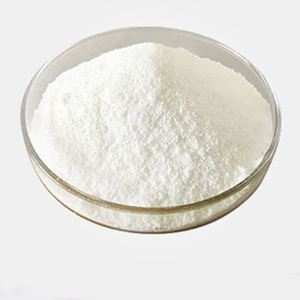
Superplasticizers (also called high-range water reducers) are among the most widely used chemical admixtures for concrete. They dramatically increase fluidity without adding extra water, which preserves strength and reduces permeability. Two dominant chemistries dominate this space: naphthalene-based superplasticizers and polycarboxylate ether (PCE)-based superplasticizers.
Naphthalene sulfonate-based superplasticizers have been around for decades. They’re cost-effective and deliver solid water reduction (15–25%), but they suffer from rapid slump loss—meaning the mix stiffens quickly. In contrast, PCE-based superplasticizers offer superior performance: up to 40% water reduction, excellent slump retention, and compatibility with modern cement blends. Though pricier, polycarboxylate superplasticizers are now the go-to for high-performance and self-consolidating concrete.
- Naphthalene superplasticizer: lower cost, faster slump loss
- Polycarboxylate ether (PCE): higher efficiency, better flow retention, ideal for complex pours
3. Air Entraining Admixtures: Freeze-Thaw Defense
In cold climates, water inside concrete freezes and expands, causing cracking and spalling. Air entraining admixtures solve this by creating millions of microscopic air bubbles throughout the mix—acting as pressure relief valves during freeze-thaw cycles. These air entraining agents (like vinsol resin or synthetic surfactants) are essential for exterior slabs, bridges, and pavements.
While air entraining concrete improves durability, it slightly reduces compressive strength (typically 5–10%). The key is balancing air content—usually 4–7%—to maximize protection without compromising structural integrity. Never confuse air entrainment with accidental air entrapment; true air entraining admixtures produce stable, uniform bubbles critical for long-term resilience.
4. Waterproofing Admixtures: Beyond Surface Coatings
Want concrete that resists moisture from within? Integral waterproofers and crystalline waterproofing admixtures offer permanent solutions. Unlike topical sealers that wear off, these concrete waterproofing additives react chemically with cement to block capillary pores.
Crystalline waterproofing admixture, for example, uses hydrophilic chemicals that grow insoluble crystals inside the concrete matrix when exposed to water—self-sealing cracks over time. Cement waterproofing additives like densifiers or pore blockers also reduce permeability, making them ideal for basements, tanks, and foundations. Brands like Chryso admixture offer advanced formulations that combine waterproofing with other functionalities.
- Crystalline systems: self-healing, long-term protection
- Integral waterproofer: reduces permeability without surface maintenance
5. Setting Time Modifiers: Accelerators vs. Retarders
Concrete doesn’t always cure at the ideal pace. That’s where accelerating admixtures for concrete and concrete retarder admixtures step in. Accelerators (like calcium chloride or non-chloride alternatives) shorten setting time and boost early strength—perfect for fast-track projects or cold weather. They directly impact concrete accelerator curing time, enabling formwork removal within hours.
On the flip side, concrete retarder admixtures delay hydration, useful in hot weather or for large continuous pours. Surface retarder concrete products even allow decorative stamping by keeping the top layer soft while the base sets. Choosing between an admixture retarder and accelerator depends entirely on ambient conditions and scheduling demands.
6. Fiber Reinforcement: Adding Toughness Without Rebar
Fibers for concrete—whether steel, polypropylene, or even coconut fiber—enhance tensile strength, reduce cracking, and improve impact resistance. Steel fiber reinforced concrete is common in industrial floors and tunnels, while polypropylene fibres for concrete (PP fiber concrete) control plastic shrinkage cracks in slabs and walls.
Macro fibers provide structural reinforcement, while microfibers act as secondary reinforcement. Fiber reinforced concrete eliminates or reduces the need for welded wire mesh, speeding up placement. For residential use, fibercement siding (like Hardie or CertainTeed concrete siding) leverages fiber reinforcement for durable, wood-like exteriors at competitive concrete siding cost.
- Steel fibers: high load-bearing capacity
- Polypropylene fibres: crack control, easy mixing
- Natural fibers (e.g., coconut): sustainable but limited to non-structural uses
7. Other Key Admixture Types Worth Noting
Beyond the big categories, specialty admixtures address niche needs. Foaming agents for foam concrete create lightweight cellular concrete blocks (CLC), using protein-based or synthetic foaming agents. Colored concrete relies on pigments and release agents—like powder release agent for stamped concrete—to achieve realistic wood or stone finishes. White cement, often paired with superplasticizer, enables bright architectural elements and countertops.
And don’t overlook basic but vital additives like concrete form release agents, which prevent sticking without staining surfaces. Whether you’re using a water-based release agent or a traditional concrete form oil, compatibility with your mix matters.
8. Conclusion
Selecting the right admixture used in concrete isn’t about picking the ‘best’ product universally—it’s about matching chemistry to context. Need flow? Go for a PCE superplasticizer. Facing winter? Add an air entraining agent. Building a watertight reservoir? Crystalline waterproofing admixture is your ally. With dozens of concrete chemicals available—from mineral admixtures to fast curing concrete additives—understanding each type’s role ensures stronger, smarter, and more sustainable builds. Always consult technical data sheets and consider site-specific factors before finalizing your mix design.
Our Website founded on October 17, 2012, is a high-tech enterprise committed to the research and development, production, processing, sales and technical services of ceramic relative materials such as Choose. Our products includes but not limited to Boron Carbide Ceramic Products, Boron Nitride Ceramic Products, Silicon Carbide Ceramic Products, Silicon Nitride Ceramic Products, Zirconium Dioxide Ceramic Products, etc. If you are interested, please feel free to contact us.