Concrete4U | Concrete Admixtures, Tools, and Production Machines

Admixtures Are Revolutionizing Modern Concrete—Here’s How
1. Introduction
Just 24 hours ago, a major infrastructure project in Texas announced it had slashed its concrete curing time by 40% using advanced accelerating admixtures—proving once again that modern concrete is no longer just cement, sand, and water. Today’s high-performance mixes rely heavily on specialized additives known as admixtures to meet demanding engineering and environmental standards.
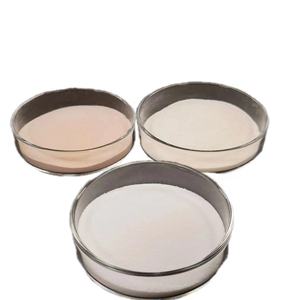
Whether you’re building a backyard patio or a skyscraper, understanding admixtures can help you choose the best admixture for concrete that fits your needs. Let’s break down what they are, how they work, and why they’re essential in today’s construction industry.
2. What Are Admixtures?
Admixtures—sometimes spelled ‘ad mixtures’—are chemical or mineral ingredients added to concrete before or during mixing to modify its properties. These concrete additives can improve workability, strength, setting time, durability, and even appearance.
They fall into two broad categories: chemical admixtures and mineral admixtures. Chemical admixtures include liquid or powder formulations like superplasticizers and accelerators, while mineral admixtures (like fly ash or silica fume) are finely ground materials that enhance long-term performance.
3. Common Types of Concrete Admixture
3.1 Water-Reducing Admixtures
Water reducing admixtures, also called concrete water reducers, lower the water content needed for a given slump without sacrificing workability. This results in stronger, more durable concrete.
- Mid-range water reducers offer moderate slump improvement.
- High-range water reducers (HRWR), often synonymous with superplasticizers, can reduce water by up to 40%.
Superplasticizer in concrete is especially valuable for high-strength or self-consolidating mixes. Polycarboxylate ether (PCE)-based superplasticizers are now the gold standard due to their efficiency and compatibility with modern cements.
3.2 Superplasticizers and Plasticizers
Superplasticizer admixture—also referred to as super plasticizers or plasticizer for concrete—dramatically increases fluidity. Unlike traditional plasticizers, superplasticizers don’t cause rapid slump loss.
Common types include:
- Polycarboxylate ether (PCE) superplasticizer
- Naphthalene-based superplasticizer
- Melamine sulfonate superplasticizer
These are critical in precast plants and high-rise construction where pumpability and finish quality matter. Brands like Chryso admixture offer tailored PCE solutions for specific project demands.
3.3 Accelerators and Retarders
Concrete accelerator admixtures speed up early strength development—ideal for cold weather or fast-track projects. They shorten concrete accelerator curing time significantly.
On the flip side, concrete retarder admixtures delay setting, useful in hot climates or for long hauls. Surface retarder concrete is used in exposed-aggregate finishes to wash away surface cement later.
Both are vital tools in a contractor’s kit for controlling pour timing and finish quality.
3.4 Air-Entraining Admixtures
Air entraining concrete contains microscopic air bubbles created by air entraining admixture (or air entraining agent). These bubbles improve freeze-thaw resistance and increase durability in harsh climates.
Often used in roads, bridges, and marine structures, air entraining cement helps prevent cracking and scaling. It’s a must-have in northern U.S. states and Canada.
3.5 Waterproofing Admixtures
From basements to rooftops, waterproofing admixture for concrete is essential for moisture control. Options include:
- Integral waterproofer: reacts chemically within the mix
- Crystalline waterproofing admixture: forms insoluble crystals that block water pathways
- Cement waterproofing additive: enhances capillary resistance
These concrete waterproofing additives eliminate the need for external membranes in many applications, saving time and labor.
4. Fiber Reinforcement and Specialty Additives
Fibers for concrete—like polypropylene fibres for concrete, steel fibers for concrete, or even coconut fiber reinforced concrete—add tensile strength and crack control.
Fiber reinforced concrete is widely used in industrial floors, shotcrete, and seismic zones. Macro fibers and microfibers serve different purposes: macro for structural reinforcement, micro for plastic-shrinkage control.
Popular products include Fibermesh concrete and carbon fiber reinforced concrete for ultra-high-performance applications. Note: concrete fiber siding (like Hardie or CertainTeed brands) is a separate product used for home exteriors—not mixed into structural concrete.
5. Foaming Agents and Aesthetic Additives
For lightweight applications like CLC blocks or foam concrete, a concrete foaming agent creates stable air cells. Protein-based or synthetic foaming agents are selected based on density and strength needs.
Meanwhile, colored concrete relies on pigments and release agents. Stamped concrete colors—from charcoal to terra cotta—are achieved using colored concrete powder and concrete stamp release agents like Brickform liquid release.
White cement is another aesthetic choice, prized for countertops, tiles, and decorative elements. Waterproof white cement blends offer both beauty and function.
6. Choosing the Right Admixture
Selecting the best admixture for concrete depends on climate, design specs, and project timeline. Always consult technical data sheets (sometimes called bio data sheets) from manufacturers.
Key considerations:
- Compatibility with local cement
- Dosage rates
- Environmental certifications
- Cost vs. performance (e.g., superplasticizer price vs. labor savings)
Many products are available at retailers like Home Depot, but specialty admixtures often require direct supplier consultation.
7. Conclusion
Admixtures have transformed concrete from a basic building block into a smart, adaptable material. Whether you need faster curing, better flow, waterproofing, or crack resistance, there’s an admixture type designed for the job.
As sustainability and performance demands grow, expect innovations in polycarboxylate concrete admixtures, bio-based foaming agents, and multifunctional additives that do more with less. The future of concrete isn’t just poured—it’s precisely engineered.
Our Website founded on October 17, 2012, is a high-tech enterprise committed to the research and development, production, processing, sales and technical services of ceramic relative materials such as Admixtures. Our products includes but not limited to Boron Carbide Ceramic Products, Boron Nitride Ceramic Products, Silicon Carbide Ceramic Products, Silicon Nitride Ceramic Products, Zirconium Dioxide Ceramic Products, etc. If you are interested, please feel free to contact us.