Concrete4U | Concrete Admixtures, Tools, and Production Machines

How Advanced Admixtures Are Revolutionizing Fiber-Reinforced Concrete Siding
1. Introduction
Just 24 hours ago, James Hardie Industries announced a breakthrough in its next-generation fiber cement siding line—now enhanced with a proprietary blend of polycarboxylate ether (PCE) superplasticizer and crystalline waterproofing admixture. This innovation promises faster curing times, superior water resistance, and a wood-like finish that’s reshaping how builders approach exterior cladding.
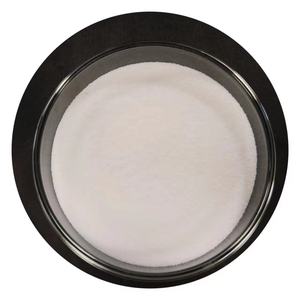
Fiber-reinforced concrete siding—often marketed as fibercement siding or concrete fiber siding—is no longer just a utilitarian building material. Thanks to advanced concrete chemicals and precisely engineered admixtures, it’s becoming a go-to choice for architects and homeowners seeking durability, low maintenance, and modern aesthetics.
2. Why Admixtures Matter in Concrete Siding
Concrete admixtures are no longer optional extras—they’re essential performance boosters. In the context of concrete siding, they solve critical challenges: cracking during drying, water penetration, slow production cycles, and poor surface finish.
The best admixture for concrete siding isn’t one-size-fits-all. Instead, manufacturers combine several admixture types to achieve specific outcomes:
- Superplasticizer admixture (especially PCE-based) reduces water content while maintaining workability—critical for thin, uniform panels.
- Integral waterproofer or crystalline waterproofing admixture creates a moisture barrier within the matrix itself.
- Concrete accelerator cuts curing time, speeding up manufacturing without compromising strength.
- Air entraining admixture improves freeze-thaw resistance in colder climates.
3. Superplasticizers: The Game-Changer for Thin Panels
Superplasticizer in concrete is pivotal for producing high-quality fiber cement siding. Traditional mixes would require excess water to remain fluid enough for casting, leading to shrinkage cracks and weak surfaces.
Modern super plasticizers—particularly polycarboxylate ether superplasticizer—act as high-range water reducers. They disperse cement particles more efficiently, allowing up to 40% less water without sacrificing flow. This results in denser, stronger, and smoother panels.
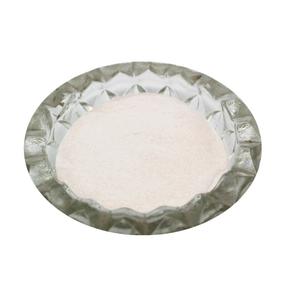
For manufacturers like CertainTeed and Hardie, using a PCE-based superplasticizer means they can create thinner profiles that mimic wood grain or stone textures without warping or delamination.
4. Waterproofing and Durability Through Smart Chemistry
One of the biggest concerns with any exterior cladding is moisture damage. That’s where concrete waterproofing additive systems shine.
Crystalline waterproofing admixture reacts with water and unhydrated cement particles to form insoluble crystals that block capillary pores. Unlike surface sealers, this protection is integral—meaning it lasts the lifetime of the panel.
Combined with an air entraining agent, which introduces microscopic air bubbles to relieve internal pressure from freezing water, these admixtures make concrete siding ideal for humid or snowy regions.
5. Fiber Reinforcement + Admixtures = Unmatched Performance
Fibers for concrete—whether polypropylene fibres for concrete, steel fibers for concrete, or even coconut fiber reinforced concrete—add tensile strength and crack control. But fibers alone aren’t enough.
Without proper concrete additives, fibers can clump or reduce workability. That’s why plasticizer for concrete (or concrete plasticiser) is often used alongside fiber reinforcement to ensure even dispersion and smooth extrusion during manufacturing.
Macro fibers and microfibers both benefit from water reducing admixtures, which maintain fluidity despite the added solids. The result? Fiber reinforced concrete that’s not only strong but also easy to shape into complex profiles.
6. Real-World Impact: Cost, Aesthetics, and Sustainability
Thanks to optimized admixture use, concrete siding cost has become increasingly competitive. Home Depot concrete siding options now include products with built-in waterproof admix and fast curing concrete additives—reducing labor and installation time.
Aesthetically, colored concrete and stamped finishes are possible because release agents and tinted powders work in harmony with the base mix. Modern concrete siding can convincingly replicate cedar shakes, board-and-batten, or even brick—all while resisting rot, insects, and fire.
Environmentally, reduced water usage (thanks to superplasticizer admixture) and longer service life make fiber cement siding a sustainable choice compared to vinyl or wood alternatives.
7. Conclusion
From superplasticizer to air entraining concrete solutions, admixtures are transforming what’s possible with concrete fiber siding. As companies like Chryso and major manufacturers refine their chemical formulations, we’re seeing lighter, stronger, and more beautiful cladding options hit the market faster than ever.
For builders and homeowners alike, understanding admixture types—and how they interact with fibers, pigments, and curing processes—is key to selecting the right product. The future of exterior walls isn’t just concrete—it’s smart concrete, engineered at the molecular level.
Our Website founded on October 17, 2012, is a high-tech enterprise committed to the research and development, production, processing, sales and technical services of ceramic relative materials such as How. Our products includes but not limited to Boron Carbide Ceramic Products, Boron Nitride Ceramic Products, Silicon Carbide Ceramic Products, Silicon Nitride Ceramic Products, Zirconium Dioxide Ceramic Products, etc. If you are interested, please feel free to contact us.