Concrete-mesa | Concrete Admixtures, Tools, and Production Machines

How to Choose and Use the Best Concrete Admixtures for Your Project
1. Introduction
Just 24 hours ago, a major construction firm in Texas reported significant delays due to premature concrete setting caused by incorrect admixture selection during a heatwave. This real-world example highlights how crucial it is to understand and correctly use concrete admixtures—especially as climate extremes become more common. Whether you’re pouring a patio, building a foundation, or crafting decorative stamped concrete, choosing the right admixture can make or break your project.
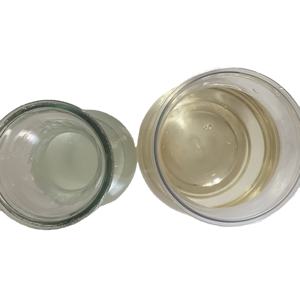
Concrete admixtures are chemical or mineral additives mixed into concrete to modify its properties. From improving workability to speeding up curing or adding waterproofing, these concrete chemicals solve everyday challenges on job sites. In this guide, we’ll walk you through how to pick and apply the best admixture for concrete based on your goals.
2. Understand the Main Admixture Types
Before buying any product, know what’s out there. Admixture types fall into several functional categories:
- Water reducing admixtures (including superplasticizers and mid-range water reducers)
- Accelerating admixtures for concrete (like concrete accelerator to cut curing time)
- Retarding admixtures (such as concrete retarder or surface retarder concrete for hot weather)
- Air entraining admixture (adds tiny air bubbles for freeze-thaw resistance)
- Waterproofing admixture (including integral waterproofer and crystalline waterproofing admixture)
- Fiber reinforcement (polypropylene fibres for concrete, steel fibers for concrete, etc.)
Each serves a unique purpose. For example, if you’re working in summer heat, a concrete retarder admixture prevents early setting. In cold climates, accelerating admixtures for concrete help maintain schedule.
3. Step-by-Step: Selecting the Right Admixture
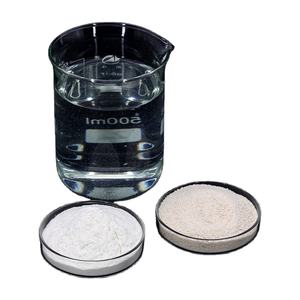
Start by identifying your primary need. Ask yourself:
- Do I need better flow without adding water? → Use a superplasticizer in concrete (also called plasticizer for concrete or concrete plasticiser). Polycarboxylate ether (PCE)-based superplasticizers offer high-range water reduction with minimal slump loss.
- Is fast curing critical? → Choose fast curing concrete additives like calcium chloride-based concrete accelerator. Note: always check compatibility with rebar to avoid corrosion.
- Am I in a freeze-thaw zone? → Add an air entraining agent. This creates microscopic air pockets that prevent cracking when water freezes.
- Do I need waterproofing? → Opt for a concrete waterproofing additive such as a crystalline waterproofing admixture or cement waterproofing additive. These react with moisture to seal pores from within.
- Want crack resistance? → Mix in fibers. Polypropylene fibre, steel fiber reinforced concrete, or even coconut fiber reinforced concrete improve tensile strength and reduce plastic shrinkage cracks.
Pro tip: Brands like Chryso admixture offer pre-formulated blends tailored to regional conditions—check local availability.
4. Common Problems and Quick Fixes
Even pros run into issues. Here’s how to troubleshoot:
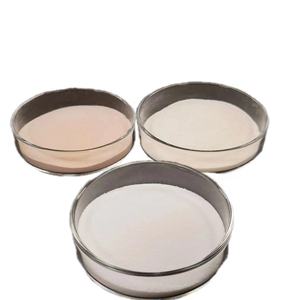
- Problem: Concrete sets too fast in hot weather. Solution: Use a concrete retarder admixture or surface retarder concrete. Dosage matters—follow manufacturer specs.
- Problem: Mix is too stiff to place. Solution: Add a superplasticizer admixture (e.g., PCE superplasticizer). Never add extra water—it weakens concrete.
- Problem: Surface scaling after winter. Solution: Ensure proper air entraining was used. Air entraining concrete should have 4–7% air content in cold regions.
- Problem: Water seepage through basement walls. Solution: Replace topical sealers with an integral waterproof admix like a crystalline waterproofing admixture for long-term protection.
Always test a small batch first. Admixture performance can vary with cement type, temperature, and mixing time.
5. Practical Mixing Tips
Getting the dosage right is half the battle. Most concrete additives are dosed by weight of cement (typically 0.1%–2%).
- For superplasticizer: Start with 0.5–1.0% by cement weight. Overdosing causes segregation.
- For air entraining: Target 0.05–0.2% depending on aggregate size and desired air content.
- For fibers: Macro fibers like polypropylene are added at 0.5–1.0 kg/m³; microfibers at lower rates.
Add admixtures during mixing—not after. Liquid types go in with mix water; powders should be pre-blended with dry ingredients. Stir for at least 2–3 minutes after addition to ensure uniformity.
6. Special Cases: Decorative and Lightweight Concrete
For stamped or colored concrete, use a compatible release agent (like powder release agent or spray release agent) that won’t interfere with colorants. Avoid oil-based form release agents—they can cause discoloration.
Making foam concrete? You’ll need a foaming agent used in foam concrete—protein-based or synthetic CLC foaming agent—to create stable air cells. Pair it with a superplasticizer to maintain strength despite low density.
White concrete projects (e.g., countertops) often use white Portland cement plus a polycarboxylate superplasticizer to enhance flow without yellowing.
7. Conclusion
Choosing the right admixture isn’t guesswork—it’s science matched to your environment and goals. Whether you need a water reducer, air entraining cement, fiberfor concrete mix, or waterproof admix, understanding admixture types and their interactions ensures durable, high-performance results. Always read technical data sheets, test small batches, and never skip manufacturer guidelines. With the right concrete chemicals in your mix, your next pour could be your strongest yet.
Our Website founded on October 17, 2012, is a high-tech enterprise committed to the research and development, production, processing, sales and technical services of ceramic relative materials such as How. Our products includes but not limited to Boron Carbide Ceramic Products, Boron Nitride Ceramic Products, Silicon Carbide Ceramic Products, Silicon Nitride Ceramic Products, Zirconium Dioxide Ceramic Products, etc. If you are interested, please feel free to contact us.