Concrete-mesa | Concrete Admixtures, Tools, and Production Machines

Superplasticizers vs. Traditional Water Reducers: The Ultimate Guide to Modern Concrete Admixtures
1. Introduction
Just 24 hours ago, the American Concrete Institute (ACI) released updated guidelines emphasizing the shift toward high-performance, low-carbon concrete mixes—placing polycarboxylate-based superplasticizers at the forefront of sustainable construction. This move reflects a global trend where engineers are prioritizing efficiency, durability, and eco-friendliness in concrete design.
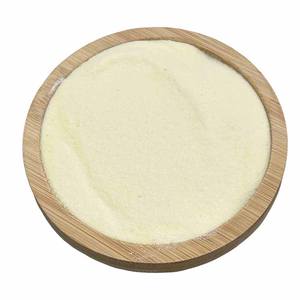
Concrete isn’t just cement, sand, and water anymore. Today’s high-strength, self-consolidating, or ultra-durable mixes rely heavily on chemical helpers known as admixtures. From speeding up curing to making concrete waterproof or even colorful, these additives transform how we build. But not all admixtures are created equal—especially when it comes to water reducers.
2. Understanding Admixture Types
Admixtures used in concrete fall into two broad categories: chemical and mineral. Chemical admixtures include superplasticizers, accelerators, retarders, and air-entraining agents, while mineral admixtures like fly ash or silica fume enhance long-term strength and reduce permeability.
- Chemical admixtures act quickly during mixing or early curing.
- Mineral admixtures improve performance over time through pozzolanic reactions.
Among chemical types, water reducing admixtures are the most widely used—especially superplasticizers, which allow dramatic water reduction without sacrificing workability.
3. Naphthalene-Based Superplasticizers: The Legacy Workhorse
For decades, naphthalene sulfonate formaldehyde condensate (SNF)—a type of naphthalene-based superplasticizer—dominated the market. These mid-to-high range water reducers disperse cement particles effectively, improving flow and enabling lower water-cement ratios.
Advantages include cost-effectiveness and compatibility with a wide range of cements. They’re commonly found in precast elements, ready-mix concrete, and general construction where extreme fluidity isn’t required.
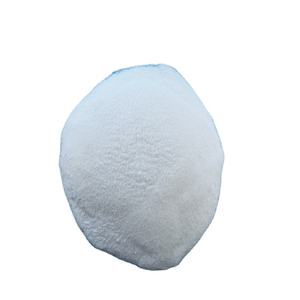
However, SNF admixtures have drawbacks: they can cause rapid slump loss (concrete stiffens quickly), contain trace impurities from coal-tar derivatives, and offer limited customization. Plus, they’re less effective in modern cements with high sulfate resistance or supplementary materials.
4. Polycarboxylate Ether (PCE) Superplasticizers: The Modern Standard
Enter polycarboxylate ether (PCE) superplasticizers—the gold standard in today’s concrete technology. These high-range water reducers use comb-shaped polymer molecules that provide steric hindrance, keeping cement particles separated far longer than older chemistries.
PCE-based superplasticizers deliver superior performance: higher slump retention, greater water reduction (up to 40%), and excellent compatibility with mineral admixtures like slag or fly ash. This makes them ideal for self-consolidating concrete (SCC), high-strength mixes, and 3D-printed structures.
They’re also more environmentally friendly—synthesized without formaldehyde or naphthalene—and can be engineered for specific needs (e.g., delayed action for long-haul deliveries). Brands like Chryso admixture often leverage PCE technology for premium formulations.
5. Head-to-Head Comparison: SNF vs. PCE
When choosing the best admixture for concrete, consider these factors:
- Water Reduction: PCE achieves 25–40% reduction; SNF typically 15–25%.
- Slump Retention: PCE maintains workability for hours; SNF may lose slump in under 30 minutes.
- Dosage Efficiency: PCE works at lower dosages (0.1–0.3% by cement weight) vs. SNF (0.5–1.0%).
- Environmental Impact: PCE is cleaner and aligns with green building standards.
- Cost: SNF is cheaper upfront, but PCE often reduces total mix cost by cutting cement or water usage.
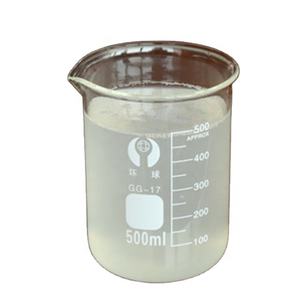
6. Beyond Superplasticizers: Other Critical Admixture Types
While superplasticizers grab headlines, other concrete additives play vital roles:
Concrete accelerators shorten setting time—essential for cold-weather pours or fast-track projects. Conversely, concrete retarder admixtures delay hydration, useful in hot climates or complex placements.
Air entraining admixtures introduce microscopic air bubbles, boosting freeze-thaw resistance—critical for roads and bridges in northern regions. These air entraining agents create durable, resilient concrete even under harsh conditions.
For moisture-prone areas, waterproofing admixtures like crystalline waterproofing admixture or integral waterproofer chemically block capillary pores, offering permanent protection without surface coatings.
And let’s not forget fibers: polypropylene fibres for concrete or steel fibers for concrete enhance crack resistance and impact strength, turning ordinary slabs into fiber reinforced concrete systems used in everything from driveways to industrial floors.
7. Practical Selection Tips
Choosing the right admixture depends on your project’s demands:
- Need high flow with minimal water? Go for a PCE superplasticizer in concrete.
- Working in sub-zero temps? Use accelerating admixtures for concrete to ensure proper concrete accelerator curing time.
- Building near the coast? Combine air entraining concrete with a cement waterproofing additive for dual defense.
- Pouring decorative stamped concrete? Pair a plasticizer for concrete with a quality concrete release agent to achieve crisp patterns and vibrant stamped concrete colors.
Always consult technical data sheets and conduct trial batches—especially when blending multiple admixtures like a superplasticizer with a concrete retarder.
8. Conclusion
The evolution from naphthalene-based water reducers to advanced PCE superplasticizers marks a leap in concrete science. While traditional options still have niche uses, polycarboxylate ether superplasticizers offer unmatched performance, sustainability, and versatility. Whether you’re specifying admixtures for a skyscraper or a backyard patio, understanding these differences ensures stronger, smarter, and longer-lasting concrete.
Our Website founded on October 17, 2012, is a high-tech enterprise committed to the research and development, production, processing, sales and technical services of ceramic relative materials such as Superplasticizers. Our products includes but not limited to Boron Carbide Ceramic Products, Boron Nitride Ceramic Products, Silicon Carbide Ceramic Products, Silicon Nitride Ceramic Products, Zirconium Dioxide Ceramic Products, etc. If you are interested, please feel free to contact us.