Concrete4U | Concrete Admixtures, Tools, and Production Machines

Choose the Right Admixtures for High-Performance Concrete
1. Introduction
Just 24 hours ago, a major infrastructure project in Texas announced it would use next-generation polycarboxylate ether (PCE) superplasticizers to achieve ultra-high-strength concrete with minimal water content—highlighting how critical modern admixtures are in today’s construction landscape. As sustainability, durability, and efficiency drive innovation, understanding the nuances of concrete admixtures has never been more important.
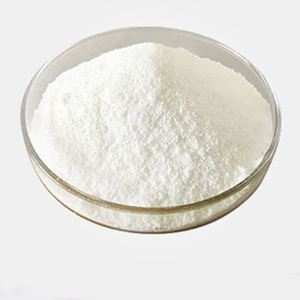
Admixtures—also called concrete additives or chemical admixtures for concrete—are substances added to concrete before or during mixing to modify its properties. From improving workability to accelerating curing or enhancing waterproofing, the right admixture can transform ordinary concrete into a high-performance material tailored to specific demands.
2. Superplasticizers: The Game-Changers in Concrete Workability
2.1. Naphthalene-Based vs. Polycarboxylate Ether (PCE) Superplasticizers
Among water reducing admixtures, superplasticizers stand out for their ability to drastically reduce water content while maintaining flow. Two dominant types dominate the market: naphthalene sulfonate formaldehyde (SNF) and polycarboxylate ether (PCE)-based superplasticizers.
Naphthalene-based superplasticizers have been used for decades. They offer strong water reduction (15–25%) and are cost-effective, making them popular in standard applications. However, they suffer from rapid slump loss and limited compatibility with certain cements.
In contrast, PCE superplasticizers—often labeled as polycarboxylate superplasticizer or PCE plasticizer—deliver superior performance: water reductions up to 40%, excellent slump retention, and better compatibility with modern cement blends. This makes them the go-to choice for self-consolidating concrete, precast elements, and high-strength mixes.
- Naphthalene superplasticizer: lower cost, faster slump loss, moderate water reduction
- Polycarboxylate ether superplasticizer: higher cost, exceptional flow retention, eco-friendlier profile
2.2. Choosing the Best Superplasticizer for Concrete
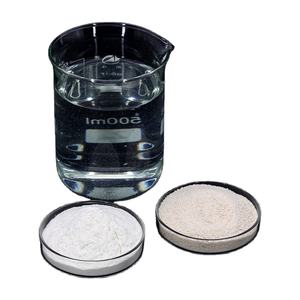
The best admixture for concrete depends on your mix design and environmental conditions. For fast-track projects needing quick placement, PCE-based superplasticizer admixture is ideal. For budget-sensitive jobs with less stringent flow requirements, SNF may suffice. Brands like Chryso admixture offer both variants, tailored to regional cement chemistries.
3. Air Entraining and Waterproofing Admixtures: Durability Enhancers
3.1. Air Entraining Concrete for Freeze-Thaw Resistance
Air entraining admixture introduces microscopic air bubbles into the concrete matrix, significantly improving resistance to freeze-thaw cycles. This is crucial in cold climates where water expansion can crack unprotected concrete.
Commonly referred to as air entraining agent or air entraining cement additive, these admixtures create stable, evenly distributed voids without compromising strength when dosed correctly. Overuse, however, can weaken the mix—precision matters.
3.2. Waterproofing Solutions: From Integral to Crystalline
Waterproofing admixture options include integral waterproofer, crystalline waterproofing admixture, and cement waterproofing additive. Integral types repel water by densifying the matrix, while crystalline systems react with moisture to form insoluble crystals that block capillaries.
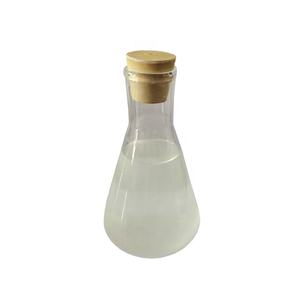
For basements, tunnels, or water-retaining structures, crystalline waterproofing admixture offers long-term protection—even if cracks develop later. Meanwhile, concrete waterproof admix products provide immediate surface-level resistance but may require reapplication over time.
4. Setting Time Modifiers: Accelerators and Retarders
Concrete accelerator and concrete retarder admixtures give contractors control over curing timelines. Accelerating admixtures for concrete—like calcium chloride or non-chloride alternatives—shorten initial set time, useful in cold weather or fast-track repairs.
On the flip side, concrete retarder admixture delays hydration, allowing extended workability in hot climates or for large pours. Surface retarder concrete is even used decoratively to expose aggregates in stamped finishes.
Choosing between them hinges on ambient temperature, logistics, and finish requirements. Note: some accelerators can corrode steel reinforcement, so non-corrosive options are preferred in reinforced concrete.
5. Fiber Reinforcement: Beyond Traditional Rebar
Fibers for concrete—ranging from polypropylene fibres for concrete to steel fibers for concrete—act as secondary reinforcement, controlling plastic shrinkage cracks and improving impact resistance.
Polypropylene fibre (PP fiber concrete) is widely used in slabs and pavements due to its corrosion resistance and ease of mixing. Steel fiber reinforced concrete excels in industrial floors and blast-resistant structures. Emerging options like coconut fiber reinforced concrete offer sustainable alternatives, though with lower tensile strength.
Macro fibers and microfibers serve different roles: macro fibers enhance post-crack ductility, while concrete microfiber minimizes early-age cracking. For residential builds, fiber reinforced concrete mix improves durability without complicating formwork—ideal for concrete siding or fiber cement siding applications.
6. Conclusion
Selecting the right admixture used in concrete isn’t about finding a universal solution—it’s about matching chemistry to context. Whether you need a high-range water reducer like PCE superplasticizer, an air entraining concrete additive for northern climates, or a crystalline waterproofing admixture for underground structures, today’s concrete chemicals offer precision-engineered answers.
As projects demand greener, smarter, and longer-lasting materials, understanding admixture types—from mineral admixture to synthetic foaming agents—will remain essential for engineers, contractors, and DIY builders alike. Always consult technical data sheets and consider compatibility with your local cement before finalizing your mix.
Our Website founded on October 17, 2012, is a high-tech enterprise committed to the research and development, production, processing, sales and technical services of ceramic relative materials such as Choose. Our products includes but not limited to Boron Carbide Ceramic Products, Boron Nitride Ceramic Products, Silicon Carbide Ceramic Products, Silicon Nitride Ceramic Products, Zirconium Dioxide Ceramic Products, etc. If you are interested, please feel free to contact us.