Concrete4U | Concrete Admixtures, Tools, and Production Machines

Admixtures Are Revolutionizing Modern Concrete Construction
1. Introduction
In a major development reported just hours ago, global infrastructure leaders at the 2024 World Concrete Summit announced a strategic push toward sustainable and high-performance concrete formulations—centered on advanced admixtures. With climate resilience and material efficiency now top priorities, admixtures have moved from optional additives to essential components in nearly every modern concrete mix.
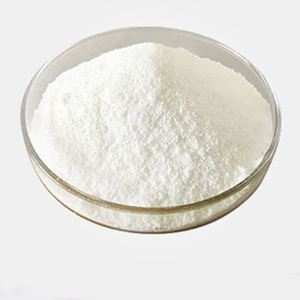
Admixtures are materials other than water, aggregates, and cement that are added to concrete during mixing to modify its properties. Whether improving flowability, accelerating curing, or enhancing durability, these concrete chemicals play a pivotal role in meeting today’s engineering demands.
2. Understanding Admixtures in Concrete
Admixtures can be broadly classified into chemical and mineral categories. Chemical admixtures include liquid or powder additives like superplasticizers, retarders, and air-entraining agents. Mineral admixtures—such as fly ash, silica fume, and slag—are finely ground materials that improve long-term strength and reduce permeability.
The selection of the best admixture for concrete depends on environmental conditions, structural requirements, and desired performance characteristics. For instance, a concrete accelerator may be used in cold weather to shorten setting time, while a concrete retarder is ideal for hot climates or long-haul deliveries.
3. Key Types of Concrete Admixtures
3.1 Water-Reducing Admixtures
Water reducing admixtures, including mid-range and high-range variants, decrease the water content needed for a target slump without compromising workability. Superplasticizers—also known as high-range water reducers—are among the most effective. Polycarboxylate ether (PCE)-based superplasticizers offer superior dispersion and are widely preferred over older naphthalene or melamine-based types.
Superplasticizer in concrete significantly enhances flowability, enabling self-consolidating concrete mixes. This makes them indispensable in complex formwork or heavily reinforced structures where vibration is impractical.
3.2 Accelerating and Retarding Admixtures
Accelerating admixtures for concrete, such as calcium chloride or non-chloride alternatives, reduce initial setting time and boost early strength—critical for fast-track projects or cold-weather concreting. They directly impact concrete accelerator curing time, allowing earlier form removal and faster construction cycles.
Conversely, a concrete retarder admixture delays hydration, useful in high-temperature environments or when extended placement times are needed. Surface retarder concrete products are also used decoratively to expose aggregates in stamped finishes.
3.3 Air-Entraining Admixtures
Air entraining concrete contains microscopic air bubbles introduced by air entraining admixtures or air entraining agents. These bubbles improve freeze-thaw resistance by providing pressure relief during ice formation. Air entraining cement is especially vital in regions with harsh winters.
Properly dosed air entraining concrete maintains workability while significantly increasing durability against scaling and cracking.
3.4 Waterproofing and Integral Additives
Waterproofing admixture for concrete includes integral waterproofers, crystalline waterproofing admixtures, and cement waterproofing additives. Unlike surface coatings, these admixtures react within the matrix to block capillary pores, offering permanent protection.
Crystalline waterproofing admixture, for example, uses reactive chemicals that grow crystals in the presence of moisture, sealing cracks autogenously. This makes it ideal for basements, tunnels, and water-retaining structures.
4. Fiber Reinforcement and Specialty Additives
Fibers for concrete—such as polypropylene fibres for concrete, steel fibers for concrete, and even coconut fiber reinforced concrete—enhance tensile strength, reduce shrinkage cracking, and improve impact resistance. Fiber reinforced concrete is now standard in industrial floors, pavements, and seismic zones.
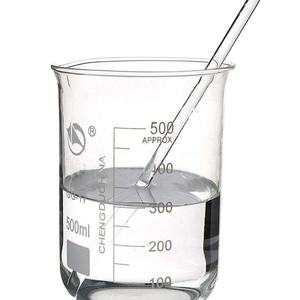
Macro fibers and microfibers serve different purposes: macro fibers provide structural reinforcement, while microfibers control plastic shrinkage. Products like Fibermesh concrete integrate these seamlessly into the mix.
Beyond structural benefits, concrete additives fiber also support aesthetic applications, such as concrete siding that looks like wood. Brands like Hardie concrete siding and CertainTeed concrete siding use fiber-cement composites for durable, low-maintenance exteriors.
5. Emerging Trends and Innovations
Recent innovations include protein-based foaming agents for lightweight cellular concrete (CLC), eco-friendly release agents for stamped concrete, and advanced PCE superplasticizers with lower dosages and higher efficiency. The demand for colored concrete and stamped concrete colors has also driven development in tinted release powders and water-based form release agents.
Additionally, white cement—used in architectural finishes and countertops—is increasingly paired with superplasticizer admixtures to maintain fluidity without compromising brightness. White concrete mix formulations now leverage polycarboxylate ether superplasticizer for optimal performance.
6. Conclusion
Admixtures have transformed concrete from a basic building material into a high-performance, adaptable composite. Whether through superplasticizer admixture for enhanced flow, air entraining for durability, or waterproof admix for longevity, these concrete chemicals address modern challenges with precision. As sustainability and resilience shape the future of construction, the intelligent use of admixture types will remain central to innovation in the built environment.
Our Website founded on October 17, 2012, is a high-tech enterprise committed to the research and development, production, processing, sales and technical services of ceramic relative materials such as Admixtures. Our products includes but not limited to Boron Carbide Ceramic Products, Boron Nitride Ceramic Products, Silicon Carbide Ceramic Products, Silicon Nitride Ceramic Products, Zirconium Dioxide Ceramic Products, etc. If you are interested, please feel free to contact us.