Concrete-mesa | Concrete Admixtures, Tools, and Production Machines

10 Must-Know Facts About Admixtures: The Secret Sauce of Modern Concrete
1. Introduction
Just 24 hours ago, engineers at a major infrastructure project in Texas reported a breakthrough using a new polycarboxylate ether (PCE)-based superplasticizer that cut curing time by 30% without compromising strength—proof that admixtures are anything but boring! While most people think concrete is just cement, sand, and water, the real magic happens when you add the right ‘seasoning’: admixtures.
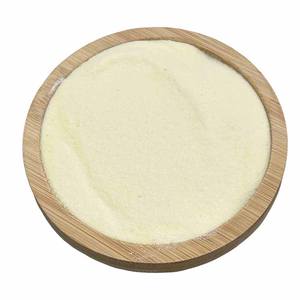
Think of admixtures like the spices in your favorite stew. Without them, concrete is bland, slow-setting, and prone to cracking. With them? You get fast-curing, waterproof, ultra-workable, and even colorful concrete that can mimic wood or stone. Let’s dive into the flavorful world of concrete chemicals!
2. What Are Admixtures, Anyway?
Admixtures are ingredients added to concrete before or during mixing to modify its properties. They’re not fillers—they’re performance enhancers. Whether you’re battling freezing temps, needing faster pours, or aiming for that perfect charcoal gray stamped finish, there’s an admixture for that.
The term ‘ad mixtures’ (yes, sometimes written with a space—though it’s technically one word) covers everything from chemical liquids to mineral powders. And no, they won’t turn your driveway into a science experiment gone wrong… unless you skip the instructions!
3. The Superstars: Superplasticizers and Water Reducers
If concrete had a celebrity, it’d be the superplasticizer. Also called high-range water reducers, these concrete additives dramatically increase workability without adding extra water—which would weaken the mix. Popular types include polycarboxylate ether (PCE), naphthalene-based, and melamine sulfonate superplasticizers.
Superplasticizer in concrete lets you pump it through narrow pipes, pour intricate shapes, or achieve self-consolidating mixes that flow like cake batter. Best of all? It boosts strength and durability. When someone asks for the best admixture for concrete in high-performance applications, superplasticizer admixture is almost always the answer.
- Polycarboxylate superplasticizer offers superior slump retention
- Naphthalene superplasticizer is cost-effective for standard projects
- PCE-based superplasticizers are eco-friendlier and more efficient
4. Speed It Up or Slow It Down: Accelerators and Retarders
Concrete doesn’t always play by your schedule. Enter accelerating admixtures for concrete and concrete retarder options. Need fast curing concrete additives for a winter pour? A concrete accelerator cuts setting time and helps combat cold-weather delays.
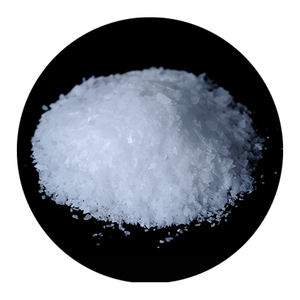
On the flip side, if you’re pouring a massive foundation on a scorching summer day, a concrete retarder admixture gives you extra time to finish before it hardens. Surface retarder concrete is even used in decorative work to expose aggregates by delaying the surface set.
Pro tip: Don’t confuse concrete accelerator curing time with actual strength gain—accelerators speed setting, not necessarily long-term strength.
5. Air, Water, and Weatherproofing Wonders
Air entraining admixture might sound like a yoga class, but it’s actually critical for freeze-thaw resistance. By creating microscopic air bubbles, air entraining concrete becomes more durable in harsh climates. Look for terms like air entraining agent or air entraining cement when shopping.
Meanwhile, waterproofing is where things get seriously slick. Waterproofing admixture for concrete includes integral waterproofers, crystalline waterproofing admixture, and cement waterproofing additives. These react within the matrix to block water penetration—no need for messy surface coatings!
Whether you call it concrete waterproof admix, admixture waterproofing, or waterproof admix, the goal is the same: keep moisture out and integrity in.
6. Fiber Reinforcement: Not Just for Siding
Fibers for concrete aren’t just about aesthetics—they add toughness. Polypropylene fibres for concrete prevent plastic shrinkage cracks, while steel fibers for concrete boost impact resistance. Ever heard of coconut fiber reinforced concrete? Yep, even natural fibers are getting in on the action!
And while products like Hardie concrete siding or CertainTeed concrete siding use fiber cement for homes (often labeled fibercement siding or concrete fiber siding), the same reinforcement principles apply to structural slabs and pavements. Fiber reinforced concrete mix improves ductility and reduces crack width—making it a favorite for industrial floors and seismic zones.
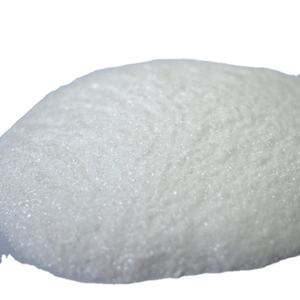
Don’t let terms like concrete fiberboard siding or home depot concrete siding distract you—fibers belong in the mix, not just on your house exterior!
7. Color, Foam, and Other Fun Additives
Want colored concrete that looks like terracotta or charcoal? Concrete stain powder and colored concrete powder do the trick. Pair them with a good concrete release agent—like a water-based release agent or powder release agent—and you’ll get crisp stamped concrete colors without sticking.
Foam lovers, rejoice! Concrete foaming agents create lightweight cellular concrete (aka aircrete). Protein-based or synthetic foaming agents help produce CLC blocks with excellent insulation. Just don’t try a homemade foaming agent for concrete unless you enjoy unpredictable results!
And white cement? It’s not just pretty—it’s practical for countertops, tiles, and decorative elements. Mix it with a superplasticizer, and you’ve got a smooth, bright, high-strength surface ready for showtime.
8. Choosing the Right Admixture
With so many concrete admixture types—from mineral admixture like fly ash to chemical admixture for concrete like Chryso admixture—it’s easy to feel overwhelmed. Ask yourself: What’s the environment? What’s the timeline? What’s the desired finish?
For general use, a mid-range water reducer might suffice. For skyscrapers or bridges, go PCE superplasticizer. For driveways in Minnesota? Air entraining plus a concrete accelerator. Always consult technical data sheets (not ‘bio data sheets’—that’s a different department!).
9. Final Thoughts
Admixtures transform ordinary concrete into a high-performance, versatile, and even beautiful building material. Whether you’re a contractor, DIYer, or just curious, understanding admixture types helps you build smarter, faster, and longer-lasting structures.
So next time you walk on a smooth stamped patio or drive over a bridge that’s survived decades of weather, tip your hat to the humble admixture—the invisible hero holding it all together.
Our Website founded on October 17, 2012, is a high-tech enterprise committed to the research and development, production, processing, sales and technical services of ceramic relative materials such as 10. Our products includes but not limited to Boron Carbide Ceramic Products, Boron Nitride Ceramic Products, Silicon Carbide Ceramic Products, Silicon Nitride Ceramic Products, Zirconium Dioxide Ceramic Products, etc. If you are interested, please feel free to contact us.