Concrete4U | Concrete Admixtures, Tools, and Production Machines

How to Choose and Use Concrete Admixtures Like a Pro (Without Turning Your Slab into Soup)
1. Introduction
Just 24 hours ago, a viral TikTok video showed a backyard patio pour turning into a concrete swamp because the homeowner dumped in ‘a little extra’ superplasticizer thinking it would make the mix smoother. Spoiler: it didn’t. Instead, the mix separated, bled like a horror movie, and set slower than a sloth on sedatives. This isn’t just a cautionary tale—it’s why understanding admixtures matters. Whether you’re pouring a driveway, crafting countertops, or waterproofing a basement, the right concrete admixture can be your secret weapon… or your worst nightmare if misused.
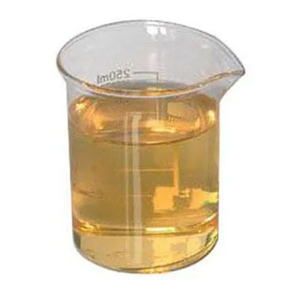
Concrete admixtures—those mysterious powders, liquids, and fibers added to cement—are the unsung heroes (or villains) of modern construction. From speeding up curing to repelling water or adding that wood-like texture to fibercement siding, these concrete chemicals do heavy lifting behind the scenes. But with dozens of options like superplasticizer, air entraining admixture, or crystalline waterproofing admixture, how do you pick the best admixture for concrete without losing your mind? Let’s break it down—step by step.
2. Know Your Admixture Types
Before you grab a bottle labeled ‘magic juice,’ understand the main categories of admixture used in concrete. Broadly, they fall into chemical and mineral admixtures. Chemical admixtures include water reducers, accelerators, retarders, and air-entraining agents. Mineral admixtures—like fly ash or silica fume—improve long-term strength and durability but work differently than liquid additives.
- Water reducing admixtures (including mid-range and high-range types like polycarboxylate ether superplasticizer) cut water content while boosting workability—ideal for high-strength pours.
- Concrete accelerator and accelerating admixtures for concrete shorten setting time, perfect for cold-weather jobs or fast-track projects.
- Concrete retarder or admixture retarder delays hardening—useful in hot climates or when you need extra finishing time.
- Air entraining concrete additives introduce microscopic bubbles that prevent freeze-thaw damage—critical in northern climates.
- Waterproofing admixture options range from integral waterproofer to crystalline waterproofing admixture, which actually grows crystals inside pores to block moisture.
3. Step-by-Step: Choosing the Right Admixture for Your Project
Step 1: Define your goal. Are you battling rainwater? Need faster curing? Want that stamped concrete to hold intricate patterns? Match your problem to the solution. For example, if you’re installing concrete siding that looks like wood (think Hardie or CertainTeed products), you likely won’t add admixtures onsite—but if you’re casting custom panels, a plasticizer for concrete improves mold release and surface finish.
Step 2: Check compatibility. Not all superplasticizers play nice with all cements. Polycarboxylate-based superplasticizer (PCE) is the gold standard today—more efficient than old-school naphthalene or melamine types—but always run a trial batch. Same goes for additive for mortar versus concrete; ratios differ!
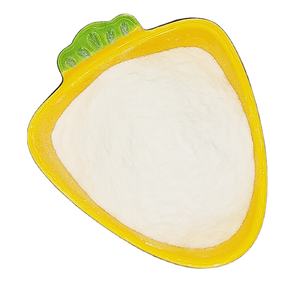
Step 3: Calculate dosage precisely. Overdosing a superplasticizer admixture can cause segregation or excessive bleeding. Most manufacturers recommend 0.5–2% by weight of cement. Use a scale—not a soup ladle.
Step 4: Add at the right time. High-range water reducers like PCE superplasticizer should typically be added after initial mixing, not with dry ingredients. Retarders? Mix them in early. Air entraining agent? Needs thorough dispersion—usually during the first minute of mixing.
4. Common Pitfalls (and How to Avoid Them)
Mistake #1: Confusing plasticizer admixture with superplasticizer. Regular plasticizers (aka concrete plasticiser) reduce water by 5–10%. Super plasticizers slash it by 15–30%. Don’t substitute one for the other unless your structural engineer signs off.
Mistake #2: Ignoring temperature. A concrete accelerator curing time chart is useless if you don’t account for ambient heat. In summer, your ‘fast cure’ might flash-set before you smooth the surface. Pair accelerators with a surface retarder concrete for control.
Mistake #3: Skipping fiber reinforcement. Want crack-resistant driveways or patios? Add fibers for concrete—polypropylene fibres for concrete handle shrinkage cracks; steel fibers for concrete boost impact resistance. Fiber reinforced concrete isn’t just for industrial floors anymore.
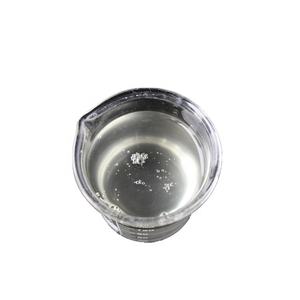
Mistake #4: DIY-ing foaming agents. Homemade foaming agent for concrete rarely matches commercial CLC foaming agent performance. If you’re making lightweight foam concrete, invest in a protein-based or synthetic foaming agent used in foam concrete—not dish soap.
5. Bonus Tips for Real-World Success
• For colored concrete projects, use a water-based release agent with pigment—never oil-based, which can blotch tinted concrete.
• When using white cement for countertops, pair it with a polycarboxylate superplasticizer to maintain brightness without adding gray tints from impurities.
• Store admixtures properly. Many concrete chemicals degrade in freezing temps or direct sunlight—check the bio data sheet!
• Brands matter less than chemistry. Chryso admixture, Sika, or generic PCE—all can work if specs match. Focus on polycarboxylate ether price per performance, not just label recognition.
6. Conclusion
Admixtures aren’t magic potions—they’re precision tools. Whether you’re selecting a concrete waterproof admix for a basement wall or tweaking a fiber concrete mix for backyard stepping stones, success lies in understanding what each admixture does, how much to use, and when to add it. Skip the guesswork, follow the steps, and your next pour won’t end up trending for all the wrong reasons. Now go forth—and may your slump be perfect, your cure swift, and your concrete never look like soup.
Our Website founded on October 17, 2012, is a high-tech enterprise committed to the research and development, production, processing, sales and technical services of ceramic relative materials such as How. Our products includes but not limited to Boron Carbide Ceramic Products, Boron Nitride Ceramic Products, Silicon Carbide Ceramic Products, Silicon Nitride Ceramic Products, Zirconium Dioxide Ceramic Products, etc. If you are interested, please feel free to contact us.