Concrete-mesa | Concrete Admixtures, Tools, and Production Machines

Master the Essentials of Admixtures for Stronger, Smarter Concrete
1. Introduction
Just 24 hours ago, global construction leaders gathered at the World Sustainable Built Environment Conference highlighted a breakthrough: new eco-friendly superplasticizers are slashing carbon emissions in concrete production by up to 30%. This innovation underscores how modern admixtures aren’t just performance boosters—they’re pivotal in building a greener future.
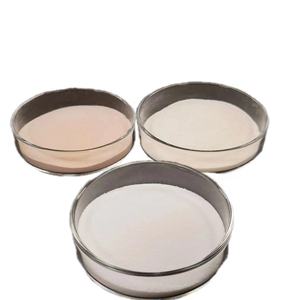
If you’ve ever wondered what makes today’s concrete stronger, faster-curing, or even water-resistant, the answer lies in admixtures. These concrete additives—ranging from chemical solutions to natural fibers—are revolutionizing how we build everything from sidewalks to skyscrapers.
2. What Are Admixtures?
Admixtures are materials added to concrete before or during mixing to modify its properties. Also called concrete chemicals or cement admixtures, they can improve workability, control setting time, enhance strength, or add special characteristics like waterproofing or freeze-thaw resistance.
The term ‘ad mixtures’ (often written as one word: admixtures) includes both chemical and mineral varieties. Whether you’re using a plasticizer for concrete or a fiber reinforcement, each admixture serves a specific purpose in tailoring concrete to project needs.
3. Major Types of Concrete Admixture
Concrete admixture types fall into two broad categories: chemical and mineral. Chemical admixtures include superplasticizers, accelerators, retarders, and air-entraining agents. Mineral admixtures—like fly ash or silica fume—enhance long-term strength and durability.
Choosing the best admixture for concrete depends on your goals: faster curing? Better flow? Waterproofing? Let’s break down the most common options.
4. Superplasticizers: The Game-Changer
Superplasticizers (also known as high-range water reducers) are among the most widely used concrete additives. They dramatically increase workability without adding extra water—critical because excess water weakens concrete.
Modern superplasticizer in concrete formulations often uses polycarboxylate ether (PCE), a next-gen polymer offering superior slump retention and lower dosage requirements compared to older naphthalene or melamine-based versions.
- Polycarboxylate superplasticizer improves flow in self-consolidating concrete
- Reduces water content by 20–40%, boosting compressive strength
- Enables complex architectural shapes with minimal vibration
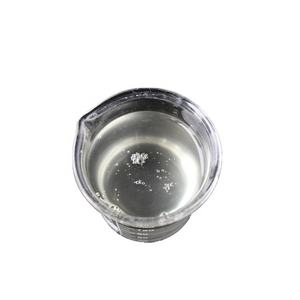
Whether labeled super plasticizers, PCE plasticizer, or concrete water reducer, these admixtures are essential for high-performance mixes.
5. Setting Time Control: Accelerators and Retarders
Need fast curing concrete additives? Concrete accelerators shorten setting time and boost early strength—ideal for cold weather or emergency repairs. Common accelerating admixtures for concrete include calcium chloride or non-chloride alternatives to prevent corrosion.
On the flip side, a concrete retarder (or admixture retarder) delays hardening, useful in hot climates or for large pours where you need more working time. Surface retarder concrete products even allow decorative stamping by keeping the surface soft while the base sets.
Both types help manage concrete accelerator curing time precisely, ensuring optimal results regardless of conditions.
6. Air Entraining and Waterproofing Solutions
Air entraining concrete contains microscopic air bubbles created by air entraining admixtures (or air entraining agents). These bubbles act as pressure relief valves during freeze-thaw cycles, preventing cracking—especially vital in northern climates.
For moisture protection, waterproofing admixtures like integral waterproofer or crystalline waterproofing admixture react within the concrete matrix to block water penetration. Products marketed as concrete waterproof admix, cement waterproofing additive, or admixture waterproofing offer long-term defense without surface coatings.
These concrete waterproofing additives are increasingly specified in basements, tunnels, and marine structures.
7. Fiber Reinforcement: Beyond Steel
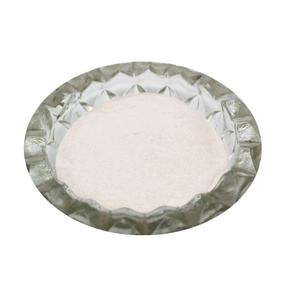
Fibers for concrete—such as polypropylene fibres, steel fibers, or even coconut fiber—add tensile strength and crack resistance. Fiber reinforced concrete is now standard in industrial floors, shotcrete, and precast elements.
Options range from microfibers (for plastic shrinkage control) to macro fibers (for structural reinforcement). Popular choices include pp fiber concrete, steel fiber reinforced concrete, and carbon fiber reinforced concrete for ultra-high performance.
Brands like Fibermesh concrete integrate these fibers directly into the mix, eliminating the need for traditional rebar in some applications. And yes—fibers for concrete mix also appear in modern siding products like Hardie concrete siding or CertainTeed concrete siding, which mimic wood grain while resisting rot and insects.
8. Specialty Additives: Color, Release, and Foam
Colored concrete relies on pigments and release agents. Stamped concrete colors—from charcoal to terra cotta—are applied using powder release agent or spray release during imprinting. Concrete release agents (oil-, water-, or powder-based) prevent sticking to molds without marring the finish.
Meanwhile, foaming agents for foam concrete enable lightweight cellular concrete (aircrete) used in insulation blocks. CLC foaming agents—protein-based or synthetic—create stable foam for CLC blocks, reducing weight and improving thermal performance.
Even white cement gets a boost: when combined with superplasticizer and waterproof admix, it creates stunning white concrete countertops or façades with enhanced durability.
9. Choosing the Right Admixture
With so many options—from Chryso admixture to DIY concrete release agents—it’s crucial to match the admixture to your project’s environment, timeline, and performance needs. Always consult technical data sheets (sometimes called bio data sheets) for dosage, compatibility, and safety info.
Reputable suppliers offer tailored solutions whether you’re at Home Depot concrete siding aisle or specifying for a commercial high-rise.
10. Conclusion
Admixtures have transformed concrete from a basic building block into a smart, adaptable material. Whether you’re using a superplasticizer admixture for flow, an air entraining cement for durability, or a concrete fiber reinforcement for toughness, these additives unlock precision, efficiency, and sustainability. As green chemistry advances, expect even smarter admixtures to shape the future of construction—one pour at a time.
Our Website founded on October 17, 2012, is a high-tech enterprise committed to the research and development, production, processing, sales and technical services of ceramic relative materials such as Master. Our products includes but not limited to Boron Carbide Ceramic Products, Boron Nitride Ceramic Products, Silicon Carbide Ceramic Products, Silicon Nitride Ceramic Products, Zirconium Dioxide Ceramic Products, etc. If you are interested, please feel free to contact us.