Concrete4U | Concrete Admixtures, Tools, and Production Machines

Admixtures Are the Secret Sauce Behind High-Performance Concrete
1. Introduction
Ever wonder how skyscrapers stand tall for decades or why some driveways resist cracking in freezing winters? The answer often lies not just in cement and aggregate—but in concrete admixtures. These chemical or mineral additives, mixed in small quantities during batching, dramatically improve concrete’s performance, appearance, and longevity. From superplasticizers that boost flow without extra water to waterproofing admixtures that seal out moisture, admixtures are the unsung heroes of modern construction.
2. What Are Admixtures?
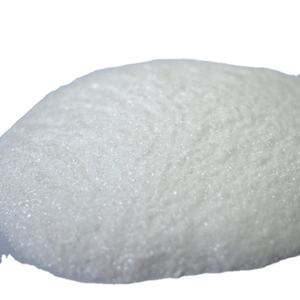
Admixtures—sometimes called concrete additives or concrete chemicals—are ingredients added to concrete before or during mixing to modify its properties. They’re used to solve specific challenges: speeding up curing, slowing it down, making concrete more fluid, or even giving it a wood-like finish. Whether you’re pouring a patio or building a bridge, choosing the right admixture can make all the difference.
3. Major Types of Concrete Admixtures
3.1 Water-Reducing Admixtures
Water reducing admixtures, including mid-range and high-range varieties, cut the water content needed for a given slump—improving strength and durability. Superplasticizers (also known as super plasticizers or high-range water reducers) are the most powerful in this category. Made from polycarboxylate ether (PCE), naphthalene, or melamine sulfonates, a superplasticizer in concrete can reduce water by up to 40% while maintaining excellent workability. This makes them ideal for high-strength or self-consolidating mixes.
3.2 Accelerating and Retarding Admixtures
Concrete accelerator admixtures shorten setting time and boost early strength—perfect for cold-weather pours or fast-track projects. On the flip side, a concrete retarder delays hydration, giving crews more time to place and finish concrete in hot climates. Surface retarder concrete products even allow decorative stamping by keeping the surface soft while the bulk hardens.
3.3 Air-Entraining Admixtures
Air entraining concrete contains billions of microscopic air bubbles created by air entraining admixtures (or air entraining agents). These bubbles act as pressure relief valves during freeze-thaw cycles, preventing internal cracking. Especially vital in northern climates, air entraining cement significantly boosts durability without sacrificing much strength.
3.4 Waterproofing Admixtures
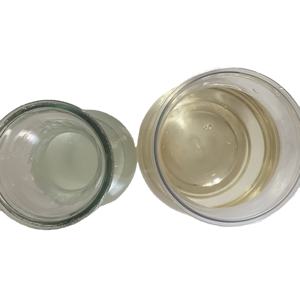
From basements to rooftops, waterproofing is critical. Integral waterproofer, crystalline waterproofing admixture, and cement waterproofing additive options react with cement to block capillary pores. A concrete waterproofing additive or waterproof admix creates a barrier within the matrix itself—unlike surface coatings that wear off over time. For wet areas, these admixture waterproofing solutions are often the best admixture for concrete longevity.
4. Specialty Admixtures and Modern Innovations
4.1 Fiber Reinforcement
Fibers for concrete—polypropylene fibres, steel fibers, or even coconut fiber—add tensile strength and crack control. Fiber reinforced concrete is now standard in industrial floors, shotcrete, and even siding. Products like fibermesh concrete or steel fiber reinforced concrete reduce reliance on rebar. Meanwhile, concrete fiber siding (including brands like Hardie and CertainTeed) offers durable, low-maintenance exteriors that mimic wood grain at competitive concrete siding cost.
4.2 Foaming Agents for Lightweight Concrete
Foaming agent for foam concrete—whether protein-based or synthetic—creates cellular lightweight concrete (CLC). Used in blocks, insulation, and void fills, CLC foaming agents produce aircrete with densities as low as 300 kg/m³. Contractors often seek the best foaming agent for aircrete based on stability, cost, and compatibility with their mix design.
4.3 Color and Release Agents
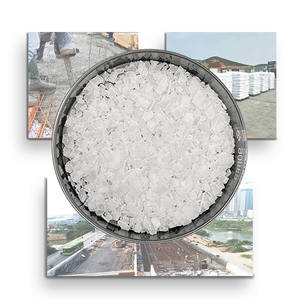
Colored concrete isn’t just aesthetic—it’s functional too. Powder concrete colorants, stamped concrete colors, and tinted concrete transform driveways and patios. To achieve crisp patterns, form release agents (oil-based or water-based spray release) prevent stamps from sticking. Popular choices include charcoal, terra cotta, and gray stamped concrete finishes.
4.4 White Cement and Specialty Binders
White cement—used in white concrete countertops, pavers, and architectural elements—offers a clean, bright base for pigments. Though pricier than gray Portland cement, white portland cement enables premium finishes and is often paired with superplasticizer to maintain workability in low-water mixes.
5. Choosing the Right Admixture
Not all admixtures play nice together. Compatibility testing is crucial—especially when combining a superplasticizer admixture with an accelerating admixtures for concrete or fibers. Leading brands like Chryso offer engineered solutions, but always check technical data sheets. For DIYers, Home Depot carries basic concrete additives, though complex projects may require specialty suppliers.
6. Conclusion
Admixtures have revolutionized concrete from a simple building block into a high-tech, customizable material. Whether you need faster curing, better flow, frost resistance, or a wood-like facade, there’s an admixture—or combination—that fits the job. Understanding admixture types and their interactions empowers builders to create safer, smarter, and more beautiful structures that last.
Our Website founded on October 17, 2012, is a high-tech enterprise committed to the research and development, production, processing, sales and technical services of ceramic relative materials such as Admixtures. Our products includes but not limited to Boron Carbide Ceramic Products, Boron Nitride Ceramic Products, Silicon Carbide Ceramic Products, Silicon Nitride Ceramic Products, Zirconium Dioxide Ceramic Products, etc. If you are interested, please feel free to contact us.