Concrete4U | Concrete Admixtures, Tools, and Production Machines

How to Choose and Use the Best Concrete Admixtures for Your Project
1. Introduction
Concrete is more than just cement, sand, and water—it’s a high-performance material that can be fine-tuned with the right concrete additives. These admixtures dramatically improve strength, workability, setting time, and resistance to environmental damage. But with so many options—superplasticizer, air entraining admixture, integral waterproofer, and more—it’s easy to feel overwhelmed. This guide simplifies everything: from understanding admixture types to solving real-world mixing problems.
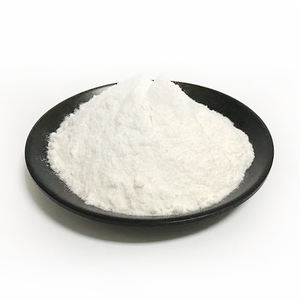
2. Understand the Main Types of Concrete Admixtures
Not all admixtures serve the same purpose. Knowing what each type does helps you pick the best admixture for concrete based on your project goals.
- Water reducing admixtures (like superplasticizer in concrete) cut water content while boosting flow—ideal for high-strength pours.
- Concrete accelerator speeds up curing time, perfect for cold-weather jobs or fast-track projects.
- Concrete retarder delays setting, giving you extra time in hot climates or complex formwork setups.
- Air entraining concrete introduces tiny air bubbles to resist freeze-thaw damage—critical in northern regions.
- Waterproofing admixture (including crystalline waterproofing admixture and cement waterproofing additive) blocks moisture penetration for basements or tanks.
- Fiber reinforcement (polypropylene fibres for concrete, steel fibers for concrete, or coconut fiber reinforced concrete) adds crack resistance without rebar.
3. Step-by-Step: How to Select the Right Admixture

Start by defining your concrete’s performance needs. Are you pouring a driveway in winter? Use accelerating admixtures for concrete. Building a pool? Go for a concrete waterproofing additive. Need smoother finishes on stamped concrete? A plasticizer for concrete or superplasticizer admixture improves flow without adding water.
Check compatibility with your cement type—some superplasticizers (especially polycarboxylate ether-based ones) react differently with certain cements. Always review the product’s bio data sheet before buying.
For residential siding like Hardie concrete siding or fiber cement siding, consider fiberfor concrete mixes with polypropylene fibre to prevent cracking during installation and weather exposure.
4. Common Mixing Mistakes and How to Fix Them
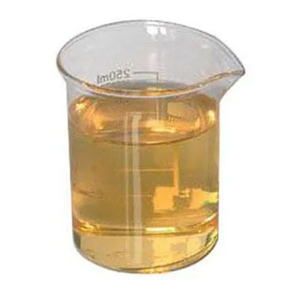
Even the best admixture used in concrete can fail if misapplied. Here are frequent errors and solutions:
- Overdosing superplasticizer: Causes segregation or delayed set. Stick to manufacturer dosage—usually 0.5–2% by cement weight.
- Ignoring temperature: Concrete accelerator curing time shrinks in heat; concrete retarder admixture may be needed even in spring.
- Skipping pre-wetting fibers: Dry macro fibers clump. Pre-soak or use pre-blended fiber reinforced concrete mix.
- Using expired release agents: Old concrete form release oil or powder release agent can stain surfaces. Always use fresh, water-based release agent for clean stamped concrete colors.
5. Specialized Additives for Unique Applications
Some projects demand niche solutions. For lightweight structures, a concrete foaming agent (like protein based foaming agent or CLC foaming agent) creates foam concrete with excellent insulation. For decorative work, colored concrete powder and stamp release agents let you achieve charcoal, terra cotta, or white stamped concrete looks safely.
Need fast curing concrete additives for emergency repairs? Look for fast-setting blends with naphthalene based superplasticizer or melamine sulfonate superplasticizer. For countertops or white concrete mixes, pair white Portland cement with a compatible superplasticizer to maintain brightness without compromising flow.
6. Where to Buy and What to Avoid
Reputable brands like Chryso admixture, Sika, or BASF offer reliable chemical admixture for concrete. You can find basic concrete additives at Home Depot—including concrete water reducer, surface retarder concrete, and fiber mesh—but always verify specs match your mix design.
Avoid ‘homemade foaming agent for concrete’ or DIY concrete release agent recipes—they often lack consistency and can weaken structural integrity. Also, don’t confuse cement admixture with mortar additive; they’re not always interchangeable.
7. Conclusion
Choosing the right admixtures isn’t guesswork—it’s about matching chemistry to conditions. Whether you need a superplasticizer to boost fluidity, an air entraining agent for frost resistance, or a waterproof admix for a wet environment, understanding these tools ensures stronger, longer-lasting concrete. Always follow dosage guidelines, test small batches first, and consult technical sheets. With the right concrete chemicals in your mix, your next pour will perform exactly as planned.
Our Website founded on October 17, 2012, is a high-tech enterprise committed to the research and development, production, processing, sales and technical services of ceramic relative materials such as How. Our products includes but not limited to Boron Carbide Ceramic Products, Boron Nitride Ceramic Products, Silicon Carbide Ceramic Products, Silicon Nitride Ceramic Products, Zirconium Dioxide Ceramic Products, etc. If you are interested, please feel free to contact us.