Concrete4U | Concrete Admixtures, Tools, and Production Machines

What Are the Best Admixtures for Modern Concrete Projects?
1. Introduction
Just 24 hours ago, a major infrastructure project in Texas announced it would use advanced polycarboxylate-based superplasticizers to achieve ultra-high-strength concrete with minimal water content—a move expected to cut curing time by 30%. This underscores a growing industry shift toward high-performance concrete admixtures that enhance durability, workability, and sustainability.
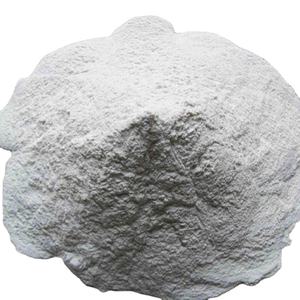
Concrete is no longer just cement, sand, and water. Today’s mixes rely heavily on chemical and mineral additives—collectively called admixtures—to meet exacting standards for strength, finish, weather resistance, and speed. Whether you’re pouring a driveway or building a skyscraper, choosing the right admixture used in concrete can make or break your project.
2. Understanding Admixture Types
Admixtures fall into two broad categories: chemical and mineral. Chemical admixtures include superplasticizers, accelerators, retarders, and air-entraining agents. Mineral admixtures—like fly ash or silica fume—modify concrete at the microstructural level. Among chemical options, superplasticizer admixtures are the most widely used due to their dramatic water-reducing capabilities.
3. Superplasticizers: Naphthalene vs. Polycarboxylate
When it comes to water reducing admixtures, two dominate the market: naphthalene-based superplasticizers (SNF) and polycarboxylate ether (PCE) superplasticizers.
Naphthalene sulfonate formaldehyde (SNF) has been a reliable workhorse for decades. It offers good slump retention and is cost-effective, making it popular in precast and ready-mix applications. However, it requires higher dosages and can cause faster slump loss over time.
In contrast, polycarboxylate superplasticizer (PCE) delivers superior performance: up to 40% water reduction, excellent flow without segregation, and extended workability. PCE-based superplasticizers are now the go-to for self-consolidating concrete (SCC), high-rise construction, and projects demanding precision. Though more expensive, their efficiency often offsets material costs through reduced cement usage.
- Naphthalene superplasticizer: lower cost, moderate water reduction, shorter slump life
- Polycarboxylate superplasticizer: high-range water reducer, better flow control, ideal for modern high-performance mixes
4. Accelerators and Retarders: Controlling Cure Time
Concrete accelerator admixtures speed up early strength development—critical in cold weather or fast-track projects. Calcium chloride is common but corrosive; non-chloride alternatives like nitrate-based formulas are safer for reinforced structures.
On the flip side, concrete retarder admixtures delay setting, useful in hot climates or long-haul deliveries. Surface retarder concrete products even allow decorative stamping by keeping the surface soft while the core hardens.
Choosing between accelerating admixtures for concrete and admixture retarder types depends entirely on ambient conditions and scheduling needs.
5. Air Entraining and Waterproofing Additives
Air entraining concrete improves freeze-thaw resistance by creating microscopic air bubbles. An air entraining admixture—often a vinsol resin or synthetic surfactant—is essential in northern climates. Without it, water expansion during freezing can crack concrete from within.
For wet environments, waterproofing admixture solutions are indispensable. Crystalline waterproofing admixture reacts with moisture to form insoluble crystals that block capillaries. Integral waterproofer types, including cement waterproofing additive and concrete waterproof admix, provide long-term protection without surface coatings.
These concrete chemicals not only prevent leaks but also boost durability against chlorides and sulfates.
6. Fiber Reinforcement: Beyond Steel
While traditional reinforced concrete uses rebar, modern mixes increasingly incorporate fibers for crack control and impact resistance. Polypropylene fibres for concrete are affordable and reduce plastic shrinkage cracks. Steel fibers for concrete add post-crack toughness—ideal for industrial floors and tunnels.
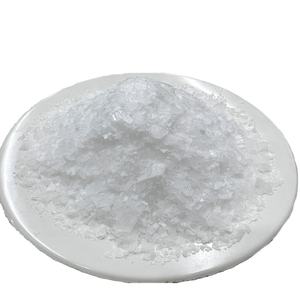
Emerging options include carbon fiber reinforced concrete for electromagnetic shielding and coconut fiber reinforced concrete for sustainable builds. Fibermesh concrete systems blend macro and microfibers for balanced performance.
Though concrete fiber siding (like Hardie or Certainteed products) uses fiber-cement composites externally, internal structural mixes benefit equally from fiberfor concrete reinforcement.
7. Specialty Additives: Foaming Agents, Colorants, and Release Agents
Foam agent for lightweight concrete enables cellular lightweight concrete (CLC) blocks—lighter, insulating, and eco-friendly. Protein-based foaming agents offer stability, while synthetic versions suit large-scale production.
Colored concrete relies on integral pigments or stamped concrete colors applied with release agents. A quality concrete form release agent—powder or spray—prevents sticking while adding subtle tint for realistic wood or stone looks.
Even white cement applications, such as countertops or decorative panels, often use superplasticizer in concrete to maintain fluidity without compromising brightness.
8. Choosing the Best Admixture for Concrete
There’s no universal ‘best admixture for concrete’—only the best fit for your specific need. Ask:
- Do I need high flow? → Use polycarboxylate superplasticizer
- Is freeze-thaw exposure likely? → Add air entraining agent
- Must it set fast? → Choose fast curing concrete additives
- Need waterproofing? → Opt for crystalline waterproofing admixture
Brands like Chryso admixture offer tailored solutions, but always verify compatibility with your cement type and aggregates.
9. Conclusion
From superplasticizer admixture innovations to fiber-reinforced durability and smart waterproofing, today’s concrete additives empower builders to push boundaries safely and sustainably. Understanding admixture types—and their real-world trade-offs—ensures stronger, longer-lasting, and more versatile concrete outcomes.
Our Website founded on October 17, 2012, is a high-tech enterprise committed to the research and development, production, processing, sales and technical services of ceramic relative materials such as What. Our products includes but not limited to Boron Carbide Ceramic Products, Boron Nitride Ceramic Products, Silicon Carbide Ceramic Products, Silicon Nitride Ceramic Products, Zirconium Dioxide Ceramic Products, etc. If you are interested, please feel free to contact us.