Concrete-mesa | Concrete Admixtures, Tools, and Production Machines

What Are the Best Types of Admixtures for Modern Concrete Projects?
1. Introduction
When it comes to building stronger, more durable, and versatile concrete structures, admixtures are the unsung heroes. These concrete additives—also called concrete chemicals or cement admixtures—modify the properties of fresh or hardened concrete to meet specific performance requirements. From improving workability with a plasticizer for concrete to speeding up curing with a concrete accelerator, the right admixture can make or break a project.
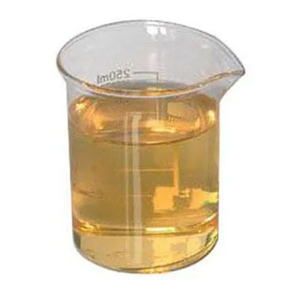
With so many options available—from polycarboxylate superplasticizers to crystalline waterproofing admixtures—it’s essential to understand how different admixture types function and where they excel. In this article, we’ll compare and analyze the most impactful categories of admixtures used in concrete today.
2. Superplasticizers: The Workability Game-Changer
Superplasticizers (also known as high-range water reducers) are among the most widely used chemical admixtures for concrete. They dramatically increase fluidity without adding extra water, which helps maintain strength and durability. Two dominant types dominate the market: naphthalene-based superplasticizers and polycarboxylate ether (PCE)-based superplasticizers.
Naphthalene sulfonate formaldehyde (SNF) superplasticizers have been around for decades. They’re cost-effective and reliable but can cause faster slump loss over time. On the other hand, PCE-based superplasticizers offer superior dispersion, longer workability retention, and lower dosage requirements. This makes them the best superplasticizer for concrete in high-performance applications like self-consolidating concrete or ultra-high-strength mixes.
Both types fall under water reducing admixtures, but PCEs are considered mid-to-high range water reducers with better compatibility with modern cements. If you’re looking for a superplasticizer admixture that delivers consistent flow and minimal bleeding, polycarboxylate superplasticizer is often the top choice.
3. Setting Time Modifiers: Accelerators vs. Retarders
Controlling when concrete sets is crucial—especially in extreme weather. Accelerating admixtures for concrete, like calcium chloride or non-chloride alternatives, shorten curing time and boost early strength. This is ideal for fast curing concrete additives in cold climates or when formwork needs quick removal.
Conversely, a concrete retarder admixture delays hydration, giving crews more time to place and finish concrete in hot conditions. Surface retarder concrete products are even used in decorative stamped concrete to expose aggregates. While accelerators reduce concrete accelerator curing time, retarders prevent cold joints and thermal cracking by managing heat evolution.
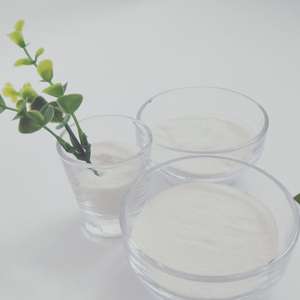
Choosing between an admixture retarder and a concrete accelerator depends entirely on ambient temperature, logistics, and structural requirements.
4. Air Entraining and Waterproofing Solutions
Air entraining admixture introduces microscopic air bubbles into the mix, greatly improving freeze-thaw resistance. This air entraining agent is vital for concrete in northern climates. Air entraining concrete also enhances workability and reduces segregation—but too much air can weaken compressive strength, so dosage must be precise.
For moisture control, waterproofing admixtures are indispensable. Options include integral waterproofer types like hydrophobic pore blockers and crystalline waterproofing admixture systems that react with water to form insoluble crystals inside capillaries. Unlike surface sealers, these concrete waterproofing additives become part of the matrix, offering long-term protection.
Popular choices include cement waterproofing additive formulas and waterproof admix products from brands like Chryso. For basements, tunnels, or water tanks, a crystalline waterproofing admixture often outperforms traditional coatings.
5. Fiber Reinforcement: Beyond Steel Rebar
Fibers for concrete—whether polypropylene, steel, or even coconut fiber—act as secondary reinforcement. Polypropylene fibres for concrete (PP fiber concrete) control plastic shrinkage cracks, while steel fibers for concrete enhance post-crack toughness and impact resistance. Macro fibers and microfibers serve different purposes: microfibers improve surface integrity, while macro fibers contribute to structural ductility.
Fiber reinforced concrete is increasingly used in industrial floors, shotcrete, and even residential siding. Speaking of which, concrete fiber siding (also called fibercement siding or fiber concrete siding) mimics wood grain while offering fire and pest resistance. Brands like Hardie and CertainTeed dominate this space, with concrete siding cost varying based on fiber type and finish.
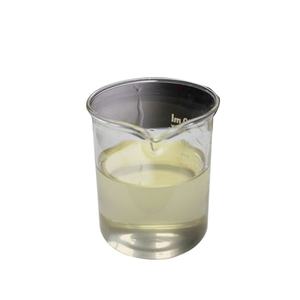
Though not a replacement for primary rebar, reinforcement fiber for concrete significantly boosts durability and reduces maintenance—making fiberfor concrete mixes a smart addition for modern builds.
6. Specialty Additives: Foaming Agents, Release Agents, and More
Beyond core performance modifiers, niche concrete additives address specific needs. Concrete foaming agents create lightweight cellular concrete (aircrete) for insulation blocks. Protein-based and synthetic foaming agents each have trade-offs in stability and cost.
In decorative work, release agents prevent stamps from sticking during colored stamped concrete installation. Water-based release agent sprays come in various colors—like charcoal or terra cotta—to add subtle tinting while protecting molds.
White cement is another specialty material, prized for architectural finishes and countertops. When combined with a superplasticizer in concrete, it yields brilliant white concrete mixes without compromising flow.
7. Conclusion
Selecting the best admixture for concrete isn’t about finding a single ‘winner’—it’s about matching the right admixture types to your project’s environmental, structural, and aesthetic demands. Whether you need a high-range water reducer like PCE superplasticizer, an air entraining agent for freeze resistance, or a crystalline waterproofing admixture for underground structures, today’s concrete additives offer precision-engineered solutions.
By understanding the strengths and limitations of each category—from accelerating admixtures for concrete to fiber reinforcement—you can optimize performance, reduce costs, and extend the lifespan of every pour.
Our Website founded on October 17, 2012, is a high-tech enterprise committed to the research and development, production, processing, sales and technical services of ceramic relative materials such as What. Our products includes but not limited to Boron Carbide Ceramic Products, Boron Nitride Ceramic Products, Silicon Carbide Ceramic Products, Silicon Nitride Ceramic Products, Zirconium Dioxide Ceramic Products, etc. If you are interested, please feel free to contact us.