Concrete4U | Concrete Admixtures, Tools, and Production Machines

The Silent Refractory Killer: Why Your Sodium Silicate Binder Will Fail
A recent industry audit found that over 80% of premature refractory lining failures in non-critical zones weren’t due to poor aggregates or thermal shock. The culprit was the binder. Specifically, the misuse and misunderstanding of sodium silicate binder for refractory materials.
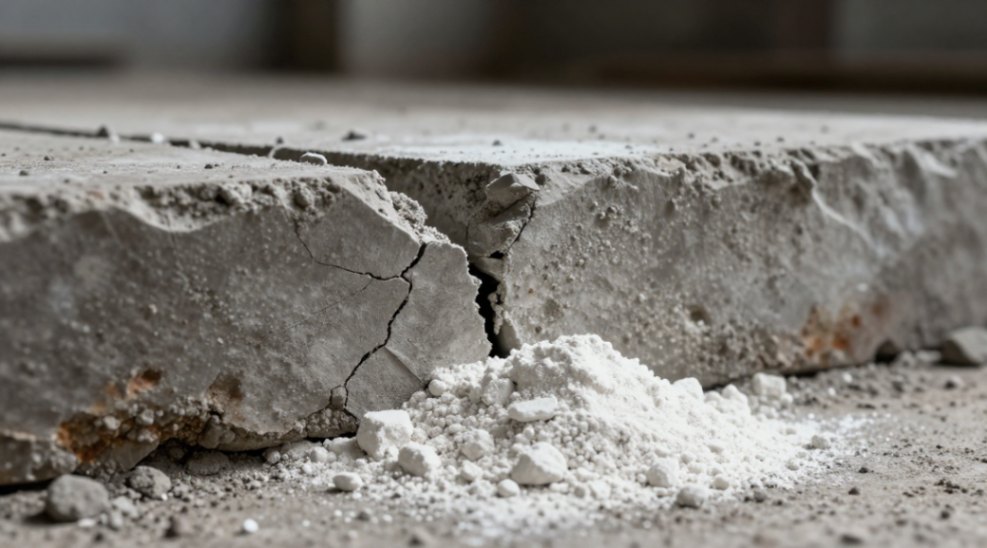
Many engineers treat it as a simple glue, a cheap inorganic binder to hold things together until the real heat hits. That’s the first mistake, and it’s a catastrophic one. This is not a passive component. Sodium silicate is a reactive chemical system that dictates the entire life cycle of your monolithic refractory. Get it wrong, and your lining turns to dust long before its rated temperature. You’re not just buying a liquid; you’re managing a precise geopolymerization process. The factory floor is your chemistry lab.
The One Parameter You’re Ignoring (And It’s Costing You)
Everyone talks about the binder content. Almost no one controls the single most important factor: the modulus. This isn’t academic. The SiO2 to Na2O ratio in your sodium silicate binder for refractory materials determines everything. A low modulus mix sets fast with CO2 gassing but develops laughable green strength. It’s brittle, moisture-hungry, and prone to crumbling during handling. On Reddit, a user lamented, “Our castable fell apart like wet sand during demolding. The supplier swore the binder percentage was correct.” The problem was almost certainly a low-modulus silicate chosen for quick turnaround, sacrificing all structural integrity.
A high modulus silicate offers better final strength and chemical resistance. But it sets slower, requiring heat or dedicated accelerators. Most plant managers default to the low-modulus, fast-gassing option because it keeps the production line moving. They are trading long-term performance for short-term convenience, building inherent weakness into the very foundation of their furnace or kiln. This is the core deception of “cheap” binders.
Storage is a War Against Water
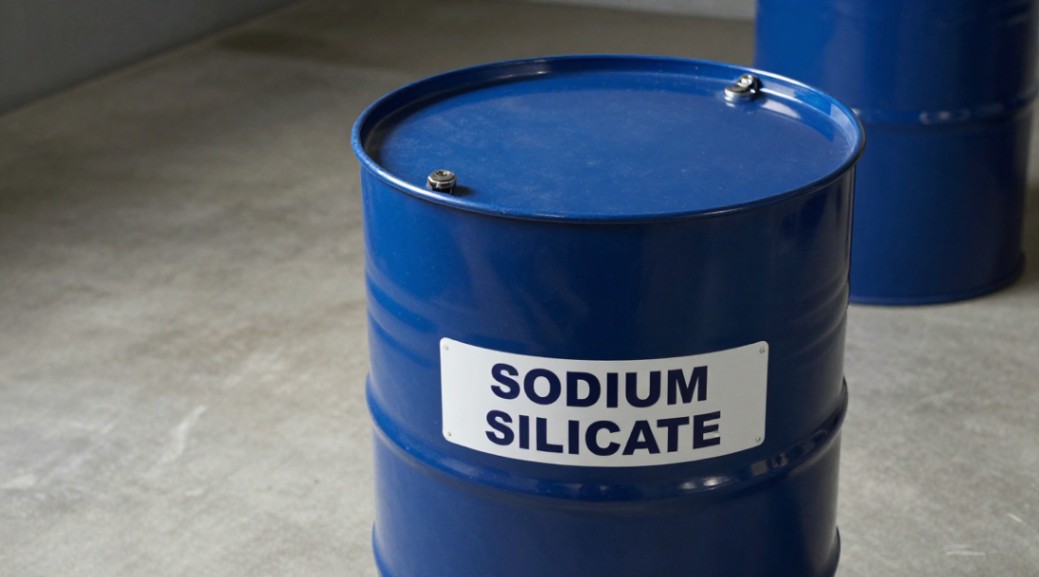
Here is a non-negotiable rule: If you store sodium silicate solution in anything less than an airtight, dedicated container, you have already failed. This material is hygroscopic. It pulls water from the air like a sponge, diluting itself and altering its binding power permanently. That drum left cracked open near the mixer? It’s no longer a sodium silicate binder for refractory materials. It’s a contaminated, off-spec liquid that will guarantee inconsistent set times and weak bonds. The solution is brutal, simple, and almost universally ignored: implement a strict first-in-first-out, sealed-container protocol. Treat it with the same rigor as a pharmaceutical ingredient.
The Hardening Trap: CO2 is a Crutch
Blasting your castable with carbon dioxide feels proactive. You see it gel instantly. This is a trap. CO2 gassing only creates a superficial crust. It gives the illusion of set while the core remains wet and weak. This technique is for creating temporary molds or patching, not for building load-bearing, thermal-shock-resistant structures. For true monolithic refractories, you must use heat. Controlled, even heating drives off water and promotes the formation of strong silicate networks. Skipping this step because the surface “feels hard” is like building a house on frozen mud. It holds until the first real stress, then collapses.
This is where a precise mix design and proper curing protocol are non-negotiable. You need to know exactly how much accelerator, if any, to use with your specific aggregate and silicate modulus. Blindly following a generic formula from a supplier who has never seen your plant conditions is a recipe for dust. The alternative-calcium aluminate cement or phosphates-might offer faster ambient strength, but they introduce other costs and chemical limitations. The sodium silicate binder system, when mastered, provides an unmatched balance of high-temperature integrity, adhesive strength, and cost-effectiveness. But mastery requires respecting its chemistry.
Avoiding the Dust: Your Action Plan
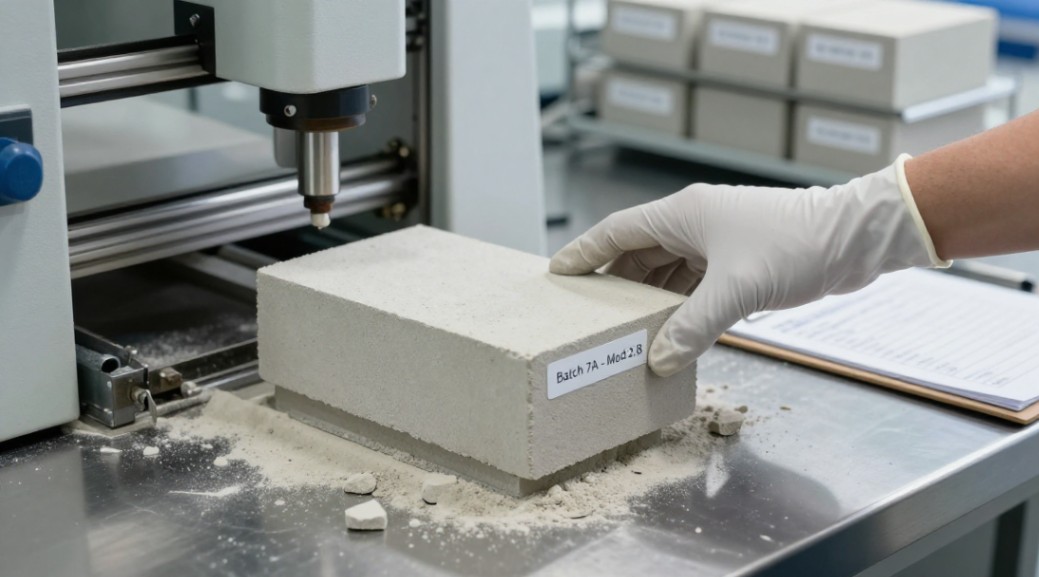
First, audit your silicate. Demand the technical data sheet and verify the modulus (typically between 2.0 and 3.3 for refractories). Match it to your process: fast mold-making vs. permanent lining. Second, lock down your storage. Third, abandon CO2 as a primary hardening method for structural components. Design for thermal curing. Finally, test relentlessly. Make sample bricks with your exact plant mix and curing schedule. Break them. If they fail at room temperature, they will vaporize at operating temperature.
The path to reliability isn’t found in swapping for a “magic” new binder. It’s found in rigorously controlling the one you already have. The inherent advantages of sodium silicate binder for refractory materials-its ceramic bond formation at high heat, its environmental simplicity, its cost-are only unlocked through disciplined, chemical-aware practice. Stop treating it like a commodity. Start treating it as the determinant of your lining’s life.
Supplier
We are the global leader in lightweight concrete and advanced engineered foam solutions. Known globally for its commitment to research, innovation, and applied expertise, we have been providing engineered foam solutions since the early 2012’s.
We can supply high-quality concrete admixture and foam concrete related products all over the world.
The company has a professional technical department and quality supervision department, a well-equipped laboratory, and equipped with advanced testing equipment and after-sales customer service center.
If you are interested, please feel free and contact us.