Concrete-mesa | Concrete Admixtures, Tools, and Production Machines

HPMC for Masonry Mortar: A Pro’s Guide to Solving Workability and Cracking Problems
Masonry Mortar Frustrations: Is Your Mortar Failing You?
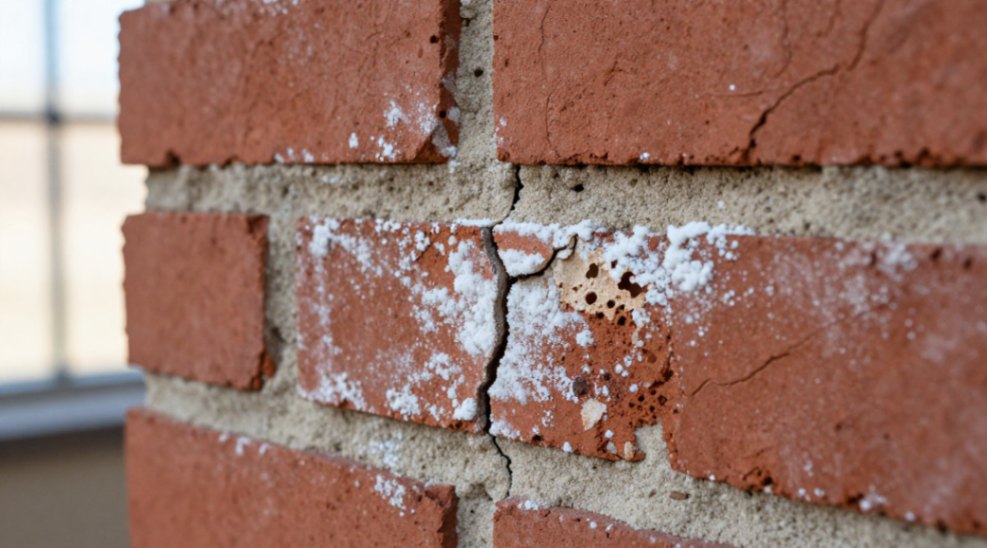
Has your mortar stiffened before you could finish the bed joint? Do you see hairline cracks weeks after the wall is laid? Are tiles slipping, or is efflorescence staining your finished work? These common failures often trace back to a single issue: poor mortar workability and water management. Inconsistent water retention leads to premature stiffening, weak bonds, and compromised durability. The core challenge is maintaining a plastic, workable state long enough for proper placement and tooling.
Understanding the HPMC Solution: A Cellulose Ether Primer
Hydroxypropyl Methylcellulose (HPMC) is a non-ionic cellulose ether derived from refined wood pulp. In masonry mortar, its primary function is as a water-retention agent and rheology modifier. Unlike simple thickeners, HPMC operates through specific physical mechanisms to control the mortar system.
- Hydrophilic Backbone: The cellulose chain attracts and physically binds water molecules.
- Gel Formation: In water, HPMC particles hydrate and swell, forming a protective colloidal gel network.
- Water Release Control: This gel structure slows the migration of water into porous substrates or evaporation into the air.
HPMC for Improving Workability in Masonry Mortar: How It Works
The improvement in workability is not a single action but a cascade of benefits driven by controlled water retention.
1. The Water Retention Engine
HPMC’s gel network acts as a microscopic water reservoir. This directly increases the mortar’s open time-the period it remains plastic and adhesive. Masons gain extended tooling time for precise levelling and striking joints, even in warm or dry conditions.
2. Consistent Hydration for Strength
By retaining mix water, HPMC ensures sufficient water remains available for complete cement hydration. This leads to more consistent and often higher ultimate compressive and flexural strength. It minimizes the weak, dusty surface layer caused by premature drying.
3. Enhanced Adhesion and Sag Resistance
The viscous gel improves cohesive strength within the mortar. For thin-bed tile adhesives and mortars on vertical surfaces, this sag resistance is critical. The mortar clings to the trowel and substrate without slumping, allowing for thicker notched applications.
4. Impact on Air Content and Finish
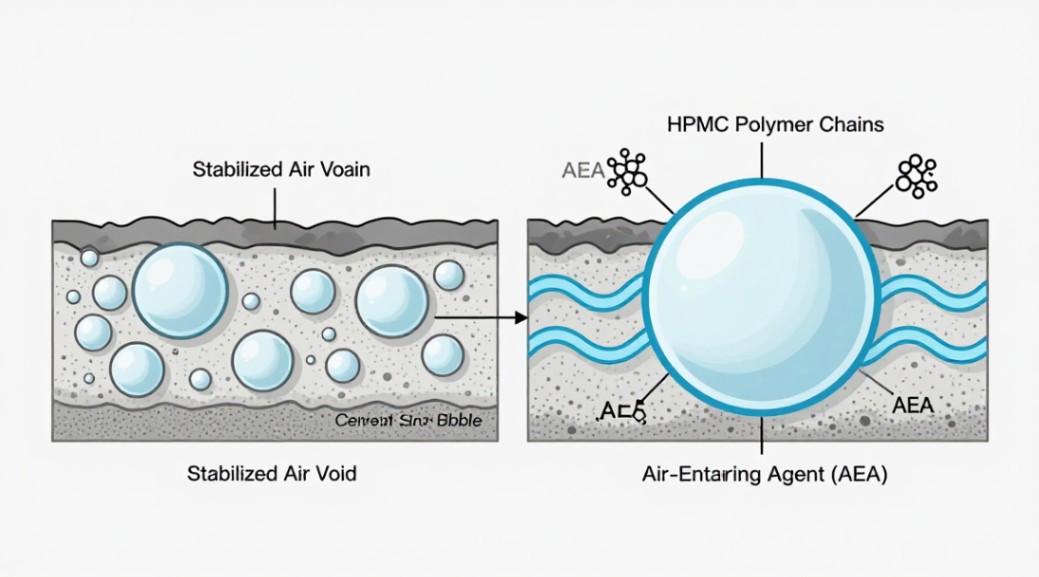
HPMC interacts with air-entraining agents (AEAs). Its thickening action can stabilize entrained air bubbles, improving freeze-thaw durability. However, formulation balance is key. Excessive HPMC can hinder air entrainment; a synergistic approach with AEAs is required for optimal pore structure.
Choosing and Using HPMC: A Practical Guide
Not all HPMC grades are equal. Performance depends on selecting the right viscosity and understanding dosage.
| Viscosity Grade (mPa·s, 2% solution) | Typical Use Case in Masonry Mortar | Key Performance Impact |
|---|---|---|
| Low (400 – 1,500) | Machine-applied plasters, light-weight mortars | Good pumpability, moderate water retention. |
| Medium (4,000 – 10,000) | General purpose masonry mortar, tile adhesives. | Excellent balance of workability, water retention, and sag resistance. |
| High (15,000 – 75,000+) | High-sag resistance tile adhesives, textured finishes. | Very high cohesive strength, extended open time, thicker application. |
Critical Mixing Procedure
- Dry-Mix First: Blend the HPMC powder thoroughly with your other dry components (cement, sand, lime) for a minimum of 3-5 minutes. This prevents clumping.
- Add Water Gradually: Introduce the total mix water. The HPMC will begin to hydrate. Mix for 2-3 minutes.
- Slake and Final Mix: Let the mortar sit (slake) for 3-5 minutes. This allows full HPMC hydration and viscosity development. Remix for 1-2 minutes to achieve final consistency.
Typical Dosage Range: 0.1% to 0.5% by weight of cement. Always start at the lower end and adjust based on desired open time and consistency. Exceeding 0.5% can lead to excessive stickiness and delayed strength development.
HPMC vs. Common Alternatives: An Objective Comparison
When selecting a workability aid, understanding the trade-offs is crucial for decision-making.
HPMC vs. Traditional Lime
- HPMC Advantages: Superior, more predictable water retention. Dramatically improved sag resistance for vertical applications. Cleaner handling. Does not contribute to efflorescence.
- Lime Advantages: Provides some autogenous healing. Can improve long-term carbonation strength. Lower material cost in some regions.
- Verdict: For critical workability control, especially in tile adhesives or modern masonry, HPMC is superior. Lime remains a valid plasticizer in traditional, bulk mortar work.
HPMC vs. Other Cellulose Ethers (MHEC, CMC)
- HPMC Advantages: Offers the best overall balance of performance, solubility, and compatibility with other additives in cementitious systems. Excellent thermal gelation properties.
- MHEC/CMC Considerations: Methyl Hydroxyethyl Cellulose (MHEC) offers similar performance. Carboxymethyl Cellulose (CMC) is less effective in high-ionic (cement) environments and can retard set more significantly.
- Verdict: HPMC is the industry standard for a reason. MHEC is a close equivalent. CMC is not generally recommended for performance masonry mortars.
HPMC vs. Starch Ethers
- HPMC Advantages: More consistent viscosity, better water retention, and superior stability over a wider pH range. Less susceptible to biological degradation in the bag.
- Starch Ether Advantages: Lower initial cost.
- Verdict: For reliable, predictable performance in demanding applications, HPMC is the clear technical choice. Starch ethers may suffice in less critical, interior applications.
Beyond Workability: Solving Durability and Aesthetic Issues
The benefits of effective water management extend far beyond the trowel.
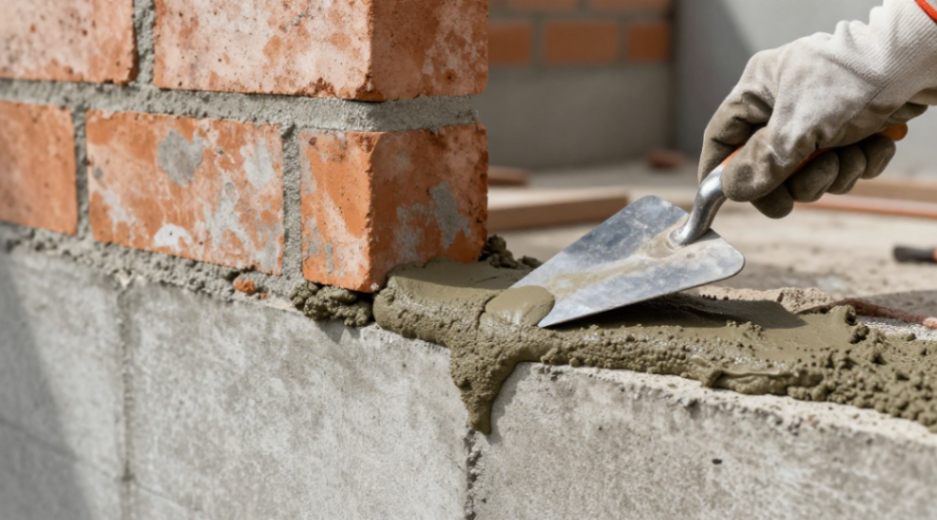
- Reduced Efflorescence: By reducing water movement to the surface, HPMC minimizes the transportation of soluble salts (like calcium hydroxide) that cause white stains.
- Crack Mitigation: Consistent hydration reduces plastic shrinkage cracks. Improved cohesion reduces settlement cracking.
- Improved Freeze-Thaw Resistance: When properly combined with air-entraining agents, the stabilized air-void system and reduced water saturation enhance durability in cyclic freezing conditions.
- Enhanced Bond Integrity: A mortar that remains plastic longer forms a superior mechanical and chemical bond with the masonry unit, improving wall strength and water tightness.
Your Next Step: From Understanding to Application
If rapid stiffening, poor adhesion, or inconsistent results are impacting your masonry or tiling projects, the root cause likely involves water control. HPMC for improving workability in masonry mortar provides a targeted, effective solution. The logical next step is to test it. Begin with a medium-viscosity grade (e.g., 4000 mPa·s) at a 0.2% dosage by cement weight in your standard mix. Compare the open time, tooling feel, and final bond. For tile installers, evaluate the sag resistance on a test wall. Formulation is iterative. Adjust the HPMC dosage and viscosity grade based on your specific sand, cement, climate, and application method. The performance gain in consistency and finished quality will validate the integration of this precise additive into your material system.
Supplier
We are the global leader in lightweight concrete and advanced engineered foam solutions. Known globally for its commitment to research, innovation, and applied expertise, we have been providing engineered foam solutions since the early 2012’s.
We can supply high-quality concrete admixture and foam concrete related products all over the world.
The company has a professional technical department and quality supervision department, a well-equipped laboratory, and equipped with advanced testing equipment and after-sales customer service center.
If you are interested, please feel free and contact us.