Concrete-mesa | Concrete Admixtures, Tools, and Production Machines

The Defoamer Solution: Why Silicon-Based Chemistry Wins in Gypsum Plaster
I remember walking a production floor twenty years ago. The plant manager pointed at a batch of gypsum slurry, its surface a frothy, bubbling mess. “We’re losing money with every bubble,” he said. That moment cemented my mission: to understand and conquer foam. Today, the debate isn’t about if you need a defoamer, but which one you choose. The logical winner, backed by decades of evidence, is silicon-based chemistry. Let’s break down why.
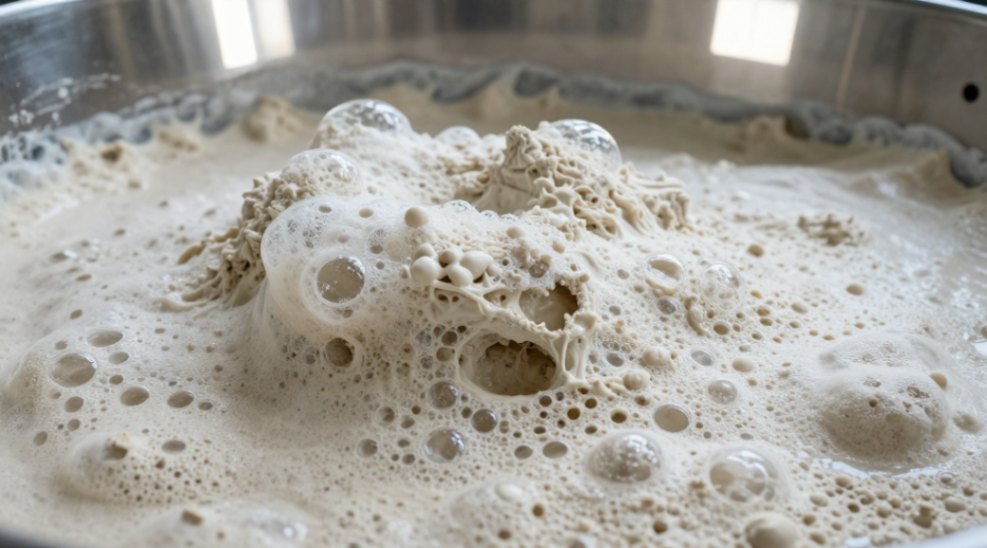
The Core Problem: Foam’s Hidden Cost in Your Plaster
Foam isn’t just bubbles. It’s a manufacturing defect waiting to happen. During mixing and pouring, air gets entrapped. Without a defoamer, this foam stabilizes. The consequences are direct and measurable.
- Weak, Porous Structures: Air pockets become permanent voids. They compromise mechanical strength and density.
- Surface Catastrophes: Pinholes, pits, and uneven textures ruin the finish. This leads to rejects and customer complaints.
- Inconsistent Slurry Flow: Foam alters viscosity and pouring behavior, causing filling inconsistencies in mold or on wall.
- Wasted Raw Material: You are literally paying to ship and set air instead of solid plaster.
The Logical Choice: How Silicon Defoamers Work
All defoamers work by entering and rupturing foam bubbles. Silicon-based defoamers do this with unmatched efficiency. Their mechanism is a masterclass in surface science.
These defoamers are hydrophobic. They refuse to mix with the water-based gypsum slurry. Instead, they spread as a thin film over the bubble’s surface. This film destabilizes the bubble wall. It causes immediate collapse. The process is fast and definitive. Silicone droplets are insoluble and highly surface-active. They provide a one-two punch: rapid bubble knockout and lasting foam prevention during the entire curing window.
Head-to-Head: Silicone vs. The Alternatives
Logic demands we compare. Mineral oil and polymer-based defoamers are common. They often fall short for high-performance plaster.
- Mineral Oil Defoamers: They can be less effective. You may need higher doses. There is a risk of leaving oily residues that interfere with surface adhesion or paint.
- Polymer-based Defoamers: Performance varies widely. Some can be incompatible with other gypsum additives, causing secondary issues.
- Silicon-Based Defoamers: They offer superior performance at low concentrations (typically 0.05% to 0.2% by weight of dry plaster). They are chemically inert. This ensures compatibility with superplasticizers, retarders, and other admixtures. They leave no negative residue.
The Tangible Benefits: What You Actually Gain
Switching to a optimized silicon defoamer isn’t a theoretical upgrade. You see the difference on your balance sheet and in your product.
- Flawless Surface Finish: Say goodbye to pinholes and blowholes. Your boards and casts come out smooth.
- Predictable Strength: Eliminating voids means consistent, higher compressive and flexural strength values.
- Density Control: Achieve target densities reliably. This is critical for board weight and fire rating specifications.
- Process Stability: Consistent slurry behavior translates to fewer production adjustments and less waste.
Getting It Right: Application & Selection Logic
You cannot just pour it in. Precision matters. Follow this logic for optimal results.
Dosing and Point of Addition
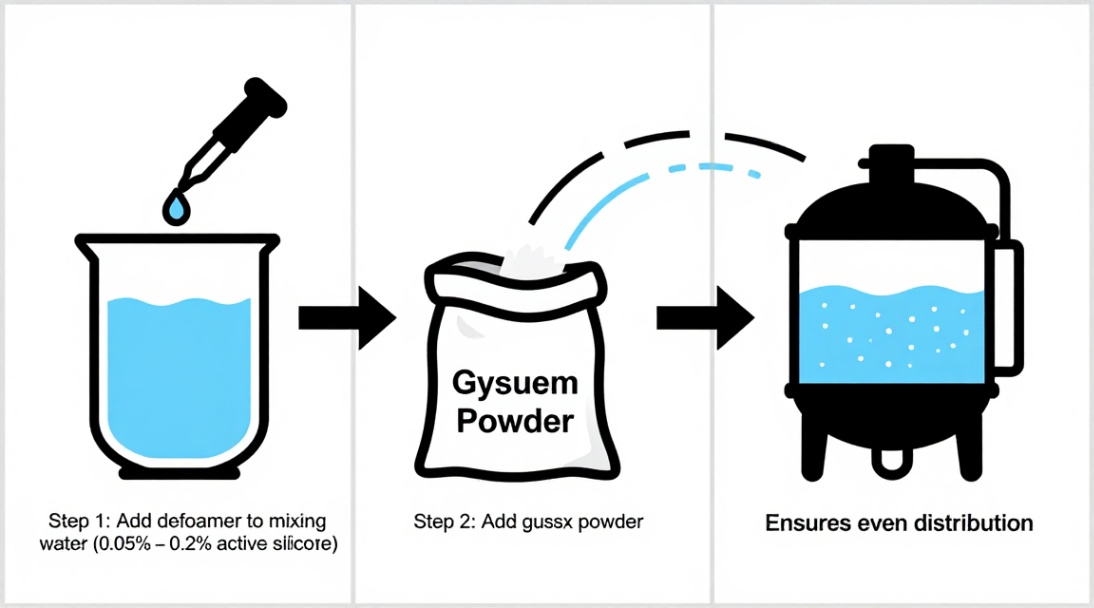
Always add the defoamer to the mixing water before introducing the gypsum powder. This ensures even distribution. The typical effective range is 0.05% to 0.2% active silicone based on dry plaster weight. Start at 0.1% and adjust based on foam observation.
Compatibility Testing is Non-Negotiable
Your plaster formula is unique. You must test. Perform a simple lab-scale batch test. Mix your standard formulation with the candidate silicon defoamer. Look for three things: foam suppression, no adverse setting effects, and final surface quality. A quality supplier will provide samples for this exact purpose.
Storage and Handling
Store in a cool, dry place. Protect from freezing. Stir gently before use if separation occurs. Modern formulations are user-friendly but always consult the Safety Data Sheet.
The Bottom Line for Your Operation
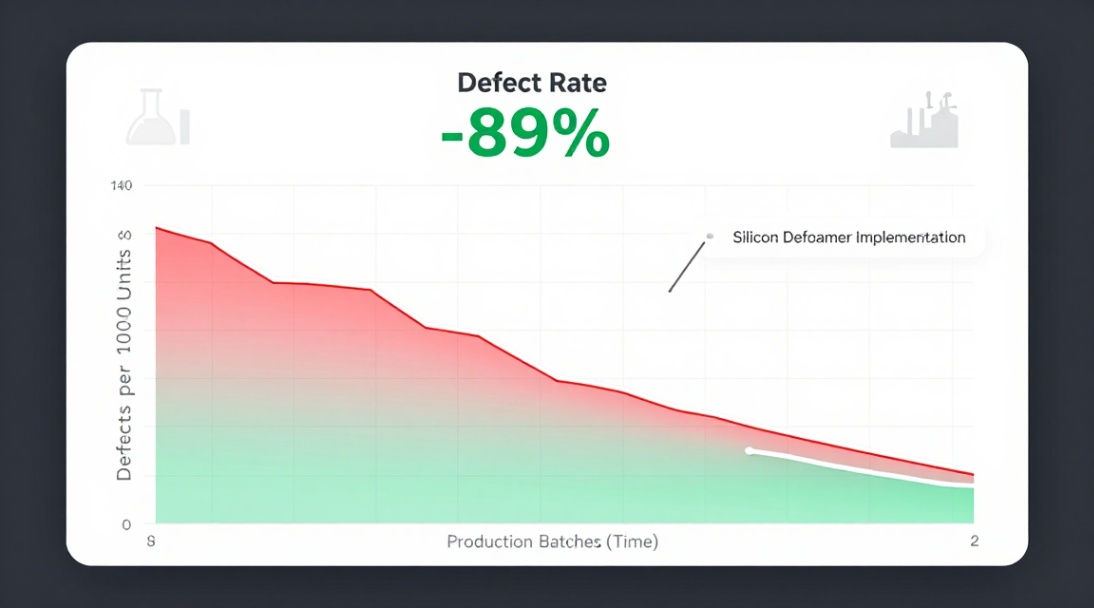
The trend is clear. Industry leaders prioritize product integrity and process efficiency. A high-performance silicon based defoamer for gypsum plaster is no longer a optional additive. It is a core component of a quality-controlled mix design.
It solves the root cause of surface defects and strength variability. The logic is straightforward. Stable processes create superior products. Superior products win in the market.
Your Next Logical Step
Stop guessing. Stop dealing with foam-related rejects. The evidence for silicon-based defoamers is overwhelming. We have the data, the case studies, and the technical know-how.
Take action now. Request a sample of our industry-proven silicone defoamer tailored for gypsum. Test it in your plant against your current method. See the difference in your slurry, your casts, and your final product quality. Let’s eliminate your foam problem for good. Contact our technical team today to start your evaluation.
Supplier
We are the global leader in lightweight concrete and advanced engineered foam solutions. Known globally for its commitment to research, innovation, and applied expertise, we have been providing engineered foam solutions since the early 2012’s.
We can supply high-quality concrete admixture and foam concrete related products all over the world.
The company has a professional technical department and quality supervision department, a well-equipped laboratory, and equipped with advanced testing equipment and after-sales customer service center.
If you are interested, please feel free and contact us.