Concrete-mesa | Concrete Admixtures, Tools, and Production Machines

The Sodium Silicate Concrete Sealer Warning: Avoid These 3 Costly Mistakes
A Hard Truth About Hardening Floors
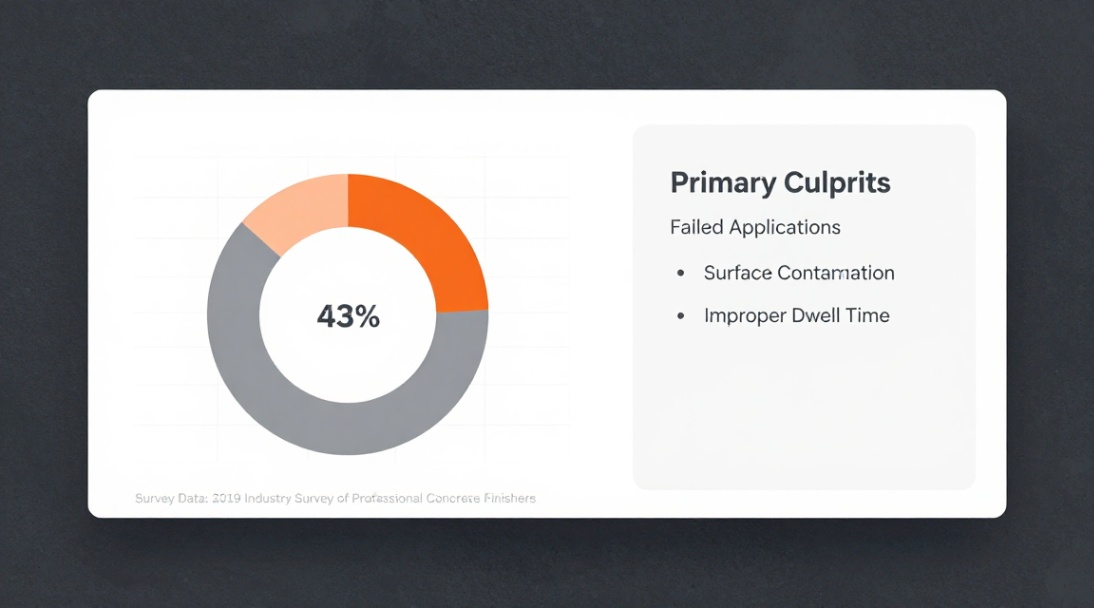
Data from a 2019 industry survey of professional concrete finishers revealed a shocking statistic: 43% of sodium silicate densifier applications by non-professionals fail to meet performance expectations within the first year. The primary culprits? Surface contamination and improper dwell time management.
This article isn’t about selling you a product. It’s about warning you against the common, expensive pitfalls that plague projects using sodium silicate for sealing concrete floors. We’ll cut through the hype and give you the unvarnished technical truth.
What Sodium Silicate Actually Does (And Doesn’t Do)
First, understand this core principle: sodium silicate is a reactive chemical densifier, not a topical film-forming sealer. It penetrates the concrete surface and reacts with free lime and calcium hydroxide to form calcium silicate hydrate (C-S-H) gel. This gel permanently fills microscopic pores from within.
Key Benefits vs. Topical Sealers
Understanding this difference is critical to setting correct expectations and avoiding the wrong product for your needs.
| Attribute | Sodium Silicate Densifier | Topical Sealer (Epoxy/Acrylic) |
|---|---|---|
| Primary Action | Chemical reaction within the substrate | Physical film on top of the substrate |
| Surface Profile | No change; reveals natural concrete | Builds a distinct layer, can be glossy |
| Durability | Becomes part of the slab; cannot peel | Subject to wear, abrasion, and peeling |
| Chemical Resistance | Excellent against salts, mild acids | Varies; epoxy offers high resistance |
| Slip Resistance | Unaffected; maintains natural texture | Can become slick, especially when wet |
| Ideal Use Case | Warehouses, showrooms, retail where durability and low maintenance are key | Areas requiring specific chemical protection or a decorative, coated finish |
Many users on concrete forums like Reddit’s r/Concrete report failure stems from expecting a shiny, waterproof coating. Sodium silicate will not create a puddle-proof barrier. It dramatically reduces dusting, increases surface hardness and abrasion resistance by up to 30%, and improves stain resistance, but water will still slowly absorb.
The Non-Negotiable Preparation Protocol
Skipping or shortchanging surface prep guarantees failure. The concrete surface must be absolutely clean and perfectly profiled to accept the chemical.
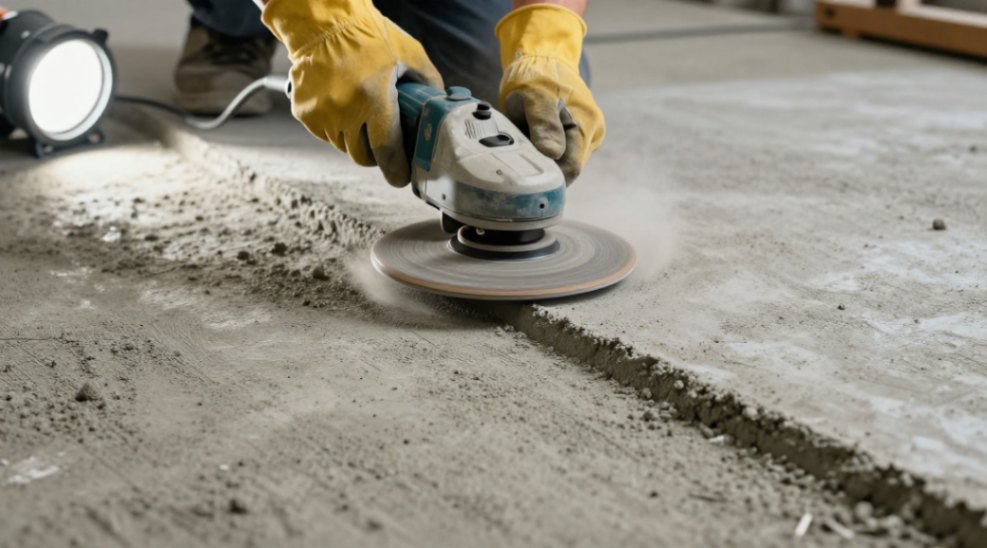
- Mechanical Profile Creation: You must open the pores. For new concrete, this means diamond grinding to a consistent CSP 2-3 (Concrete Surface Profile). For older concrete, abrasive blasting or scarifying is often necessary. Do not assume acid etching is sufficient.
- Aggressive Cleaning: Remove all grinding dust, oils, curing compounds, and laitance. Use a industrial-grade vacuum followed by a clean water rinse. The water break test is your best friend: sprinkle water on the surface. If it beads, contamination remains. It must sheet evenly.
- Critical Drying: The slab must be surface dry but retain internal moisture. A minimum of 24-48 hours after cleaning is standard. Apply when the concrete feels cool and dry to the touch.
The Application Process: Where Most Fail
Precision matters. Use a low-pressure chemical sprayer (not a garden sprayer) or a medium-nap roller.
- First Coat Application: Apply the sodium silicate solution at a rate of approximately 150-200 square feet per gallon. Flood the surface evenly without puddling. You should see immediate darkening as it penetrates.
- The Dwell and Scrub: This is the most critical, overlooked step. Allow the product to dwell for 15-45 minutes. As it reacts, a white, chalky residue (sodium carbonate) will surface. You must mechanically scrub this residue with a floor scrubber or stiff bristle broom before it dries. Failure to remove it creates a weak, powdery layer.
- Rinse and Repeat: Thoroughly rinse the surface with clean water and vacuum or squeegee the slurry away. Inspect for uniform darkening. A second coat, applied after the first is dry to the touch (usually 60-90 minutes later), is almost always required for optimal densification.
Curing, Drying, and The Waiting Game
Patience is mandatory. The chemical reaction continues for 7-14 days.
- Allow a minimum of 4-8 hours before light foot traffic.
- Wait 24-48 hours before subjecting the floor to rolling loads or heavy traffic.
- The floor reaches its full chemical resistance and hardness after approximately 7 days. Avoid prolonged exposure to aggressive spills during this period.
Long-Term Maintenance: The Simplicity Truth
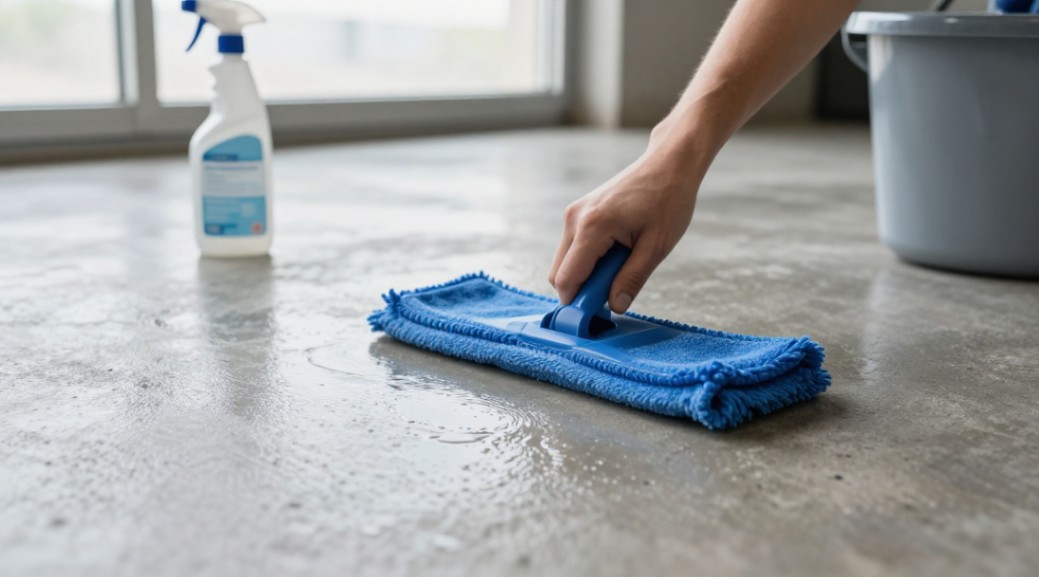
A properly densified floor requires minimal, specific care. Use pH-neutral cleaners. Avoid acidic or high-alkaline cleaners, as they can slowly degrade the hardened surface over time. For daily cleaning, a microfiber mop with neutral cleaner is ideal. The floor’s increased density makes it easier to clean and far more resistant to wear.
Final Warning: Three “Never-Ever” Mistakes
- Never apply to sealed or contaminated concrete. The silicate cannot penetrate. You are wasting money and creating a mess.
- Never skip the scrubbing step. That white powder is a failure marker. Leaving it on the surface is the single most common error we see in failed DIY reports.
- Never use it as a waterproofing solution. It is a densifier and dustproofer. For wet areas, you need a true topical membrane or integral waterproofing in the concrete mix.
Sodium silicate, when applied correctly to a suitable substrate, is a superb, long-lasting treatment for industrial and commercial floors. Its success depends entirely on respecting the chemical process and the preparation it demands. Ignore these warnings at your own peril.
Supplier
We are the global leader in lightweight concrete and advanced engineered foam solutions. Known globally for its commitment to research, innovation, and applied expertise, we have been providing engineered foam solutions since the early 2012’s.
We can supply high-quality concrete admixture and foam concrete related products all over the world.
The company has a professional technical department and quality supervision department, a well-equipped laboratory, and equipped with advanced testing equipment and after-sales customer service center.
If you are interested, please feel free and contact us.