Concrete4U | Concrete Admixtures, Tools, and Production Machines

Admixtures Are Revolutionizing Modern Concrete Construction
1. Introduction
Just 48 hours ago, a major breakthrough in sustainable construction was announced: researchers at a leading European materials lab unveiled a new generation of polycarboxylate ether (PCE)-based superplasticizers that reduce water content by up to 40% while cutting carbon emissions during concrete production. This innovation underscores a growing global trend—using advanced admixtures to make concrete greener, stronger, and more versatile.
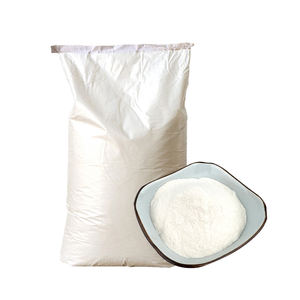
Whether you’re a contractor, engineer, or DIY enthusiast, understanding admixtures is essential. These concrete additives—ranging from plasticizers to waterproofing agents—can dramatically improve workability, durability, and curing time. In this article, we’ll break down everything you need to know about admixtures used in concrete, including the best admixture for concrete based on your project needs.
2. What Are Admixtures?
Admixtures are ingredients added to concrete before or during mixing to modify its properties. Also called concrete chemicals or cement admixtures, they come in liquid, powder, or fiber form. The term ‘ad mixtures’ (often misspelled) correctly refers to these purposeful additives—not accidental contaminants.
Modern concrete rarely relies on just cement, water, and aggregates. Instead, it’s enhanced with chemical admixture for concrete that tailors performance to specific conditions—like cold weather, high strength demands, or water exposure.
3. Common Admixture Types
Concrete admixture types fall into two broad categories: chemical and mineral. Chemical admixtures include superplasticizers, accelerators, and retarders. Mineral admixtures—like fly ash or silica fume—improve long-term strength and reduce permeability.
- Water reducing admixtures (also called concrete water reducers) lower the water-cement ratio without sacrificing workability.
- Superplasticizer admixture (or super plasticizers) are high-range water reducers that enable self-consolidating concrete.
- Concrete accelerator and accelerating admixtures for concrete shorten setting time—ideal for fast curing concrete additives in cold climates.
- Concrete retarder and admixture retarder delay hardening, useful in hot weather or for long hauls.
- Air entraining admixture introduces microscopic air bubbles, improving freeze-thaw resistance. This is often called air entraining concrete or air entraining cement when the agent is pre-blended.
4. Superplasticizers: The Game-Changer
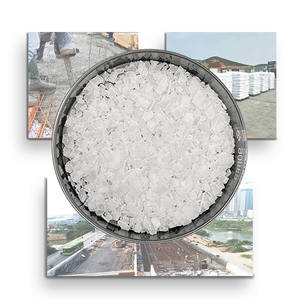
Among the most impactful concrete additives today are superplasticizers. These include naphthalene-based, melamine-based, and—most advanced—polycarboxylate ether (PCE) superplasticizers. PCE-based products offer superior slump retention and are the go-to for high-performance mixes.
Superplasticizer in concrete allows for lower water content, higher strength, and better flow—making it easier to pump and place. Whether labeled as plasticizer for concrete, concrete plasticiser, or superplasticizer admixture for concrete, these additives are essential for modern infrastructure.
Contractors often ask, ‘What’s the best superplasticizer for concrete?’ The answer depends on your mix design, but PCE superplasticizers are widely preferred for their efficiency and compatibility with other concrete chemicals.
5. Waterproofing and Specialty Additives
Waterproofing admixture for concrete is critical for basements, tunnels, and marine structures. Options include integral waterproofer, crystalline waterproofing admixture, and cement waterproofing additive. These create a hydrophobic barrier within the concrete matrix, not just on the surface.
Brands like Chryso admixture offer advanced waterproof admix solutions that also enhance durability. Unlike surface coatings, admixture waterproofing becomes part of the concrete itself—offering long-term protection without peeling or maintenance.
6. Fiber Reinforcement: Beyond Traditional Rebar
Fiber reinforced concrete is gaining popularity for its crack resistance and impact strength. Fibers for concrete include polypropylene fibres for concrete, steel fibers for concrete, and even sustainable options like coconut fiber reinforced concrete.
Macro fibers and microfibers serve different purposes: macro fibers (like steel or synthetic) provide structural reinforcement, while microfibers control plastic shrinkage. Products like Fibermesh concrete integrate these seamlessly.
For residential use, concrete fiber siding—also called fibercement siding or concrete cement siding—offers a durable, wood-like appearance. Brands like Hardie concrete siding and CertainTeed concrete siding dominate the market, with options that mimic wood grain at a fraction of the maintenance cost. Concrete siding cost varies, but modern concrete siding for homes is increasingly affordable and stylish.
7. Other Key Additives
Foaming agents are essential for lightweight applications. A concrete foaming agent—such as a protein-based foaming agent or synthetic foaming agent for concrete—creates aircrete or CLC (cellular lightweight concrete). These are used in blocks, insulation, and void filling.
For decorative work, colored concrete and stamped concrete colors rely on pigments and release agents. Concrete release agent (powder or spray) prevents stamps from sticking, while tinted concrete offers aesthetic flexibility—from charcoal stamped concrete to white concrete for countertops.
White cement, often used in decorative finishes, pairs well with superplasticizers to maintain flow without compromising brightness. Use of white cement spans from wall coatings to waterproof white cement applications.
8. Choosing the Right Admixture
Selecting the best admixture for concrete depends on your goals: need faster curing? Use a concrete accelerator. Pouring in summer heat? A concrete retarder admixture or surface retarder concrete helps. For watertight structures, prioritize a concrete waterproofing additive or crystalline waterproofing admixture.
Always consult technical data sheets (sometimes called bio data sheets in error) and consider compatibility. For example, some superplasticizers interact poorly with certain air entraining agents.
9. Conclusion
From superplasticizer in concrete to fiber reinforcement and waterproofing admixtures, modern admixtures are transforming how we build. They enable stronger, more durable, and more sustainable structures—whether you’re pouring a driveway, constructing a skyscraper, or installing concrete siding that looks like wood. As innovations like PCE superplasticizers continue to evolve, the future of concrete is smarter, greener, and more adaptable than ever.
Our Website founded on October 17, 2012, is a high-tech enterprise committed to the research and development, production, processing, sales and technical services of ceramic relative materials such as Admixtures. Our products includes but not limited to Boron Carbide Ceramic Products, Boron Nitride Ceramic Products, Silicon Carbide Ceramic Products, Silicon Nitride Ceramic Products, Zirconium Dioxide Ceramic Products, etc. If you are interested, please feel free to contact us.