Concrete4U | Concrete Admixtures, Tools, and Production Machines

7 Common Admixture Problems in Concrete (And How to Fix Them Like a Pro)
1. Introduction
Just 24 hours ago, a major construction project in Texas was halted because the freshly poured concrete wouldn’t set—turns out, someone accidentally doubled the dose of concrete retarder admixture! It’s a hilarious (and expensive) reminder that even pros can fumble with admixtures. If you’ve ever stared at a bucket of slurry wondering why your superplasticizer isn’t working or why your concrete is cracking like a dry riverbed, you’re not alone.
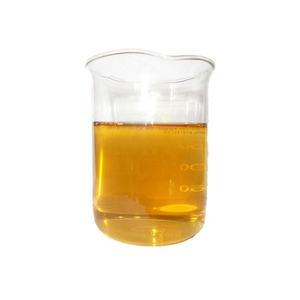
Admixtures are the secret sauce of modern concrete—but only if you use them right. In this guide, we’ll walk through seven common admixture-related problems and give you actionable fixes so your next pour goes off without a hitch.
2. Problem #1: Concrete Is Too Stiff or Dry
You mixed your batch, but it’s about as workable as cold peanut butter. This usually means you didn’t add enough water—or more likely, you missed a key water reducing admixture.
- Solution: Use a high-range water reducer like a polycarboxylate ether (PCE) superplasticizer. These super plasticizers boost flow without adding extra water, preserving strength.
- Tip: Add the superplasticizer admixture gradually—overdosing can cause segregation or excessive bleeding.
3. Problem #2: Concrete Sets Too Fast (or Too Slow)
Hot weather? Your concrete might cure before you finish troweling. Cold day? It sits there like a lazy sloth. Timing is everything.
- For fast curing: Use a concrete accelerator. Accelerating admixtures for concrete reduce setting time and help in cold conditions.
- For slow curing: Reach for a concrete retarder admixture. Surface retarder concrete products are great for exposed aggregate finishes.
Always check ambient temperature and adjust dosage accordingly. And never guess—follow manufacturer specs!
4. Problem #3: Cracking During Curing
Hairline cracks aren’t just ugly—they compromise durability. Often, this stems from poor internal moisture control or lack of reinforcement.
- Fix #1: Add polypropylene fibres for concrete. These microfibers reduce plastic shrinkage cracks.
- Fix #2: Include an air entraining admixture. Air entraining concrete improves freeze-thaw resistance and reduces surface scaling.
Fibers for concrete—whether steel, polypropylene, or coconut fiber reinforced concrete—act like an internal skeleton. Even fiberfor concrete mix (yes, that’s a thing!) helps distribute stress evenly.
5. Problem #4: Water Seepage or Poor Waterproofing
Basement walls leaking? Driveway turning into a puddle? You probably skipped the waterproofing admixture.
- Best bet: Use a crystalline waterproofing admixture or integral waterproofer. These react with cement to form insoluble crystals that block water paths.
- Alternative: A cement waterproofing additive works well for above-grade applications.
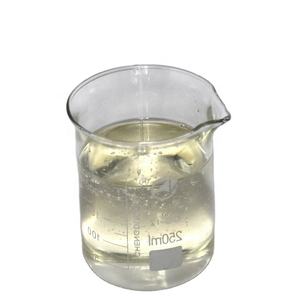
Avoid surface-only sealers if you want long-term protection. True admixture waterproofing happens from within—think of it as giving your concrete rain gear… on the inside.
6. Problem #5: Foam Collapse in Lightweight Concrete
Making foam concrete? If your bubbles vanish faster than free pizza at a jobsite meeting, your foaming agent is the culprit.
- Use a protein-based foaming agent for stable, uniform cells in CLC (cellular lightweight concrete).
- Avoid homemade foaming agent for concrete—it rarely matches synthetic or commercial CLC foaming agent performance.
Pro tip: Pair your foaming agent used in foam concrete with a mild superplasticizer to maintain workability without breaking bubbles.
7. Problem #6: Color Inconsistency in Decorative Concrete
Stamped concrete looking patchy? Blame uneven release agent or poor pigment dispersion.
- Always use a water-based release agent with consistent color powder.
- Mix colored concrete powder thoroughly—ideally in a drum mixer—to avoid streaks.
For stamped and colored concrete that wows, combine tinted concrete with a quality spray release agent. And never skip the test slab!
8. Problem #7: Fiber Clumping or Poor Dispersion
Adding fibers but getting clumps? That’s a recipe for weak spots.
- Add fibers slowly during mixing—never dump them all at once.
- Use macro fibers or microfiber blends designed for easy dispersion (e.g., pp fiber concrete).
Steel fiber reinforced concrete and carbon fiber reinforced concrete require high-shear mixers. For DIYers, polypropylene fibres for concrete are easier to handle and still effective.
9. Bonus: Choosing the Best Admixture for Concrete
Not all admixtures are created equal. Here’s a quick cheat sheet:
- Need flow? Go for PCE-based superplasticizer—the best superplasticizer for concrete today.
- Want durability? Air entraining agent + waterproof admix = superhero duo.
- Speed matters? Fast curing concrete additives like calcium nitrate accelerators save the day.
Brands like Chryso admixture offer reliable chemical admixture for concrete, but always match the product to your specific need—not just the label.
10. Conclusion
Admixtures turn ordinary concrete into high-performance material—but only if you respect the chemistry. Whether you’re using a concrete water reducer, air entraining cement, or fiber reinforcement, precision beats guesswork every time. Keep this guide handy, measure twice, pour once, and may your slabs stay crack-free and your sidewalks stay slick (but not too slick!).
Our Website founded on October 17, 2012, is a high-tech enterprise committed to the research and development, production, processing, sales and technical services of ceramic relative materials such as 7. Our products includes but not limited to Boron Carbide Ceramic Products, Boron Nitride Ceramic Products, Silicon Carbide Ceramic Products, Silicon Nitride Ceramic Products, Zirconium Dioxide Ceramic Products, etc. If you are interested, please feel free to contact us.